Fire Alarm System For Commercial Building
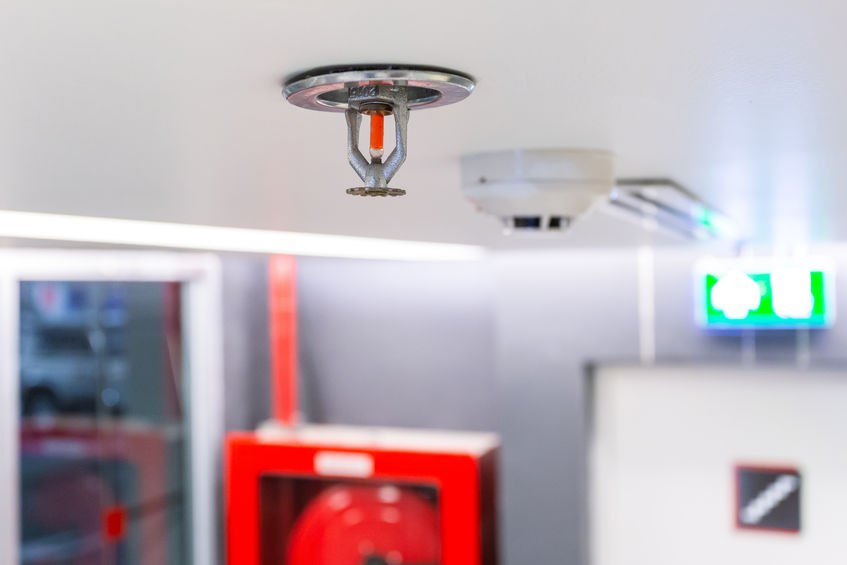
Ever walk into a bustling commercial building and notice those little red boxes on the wall or the sprinklers on the ceiling? We're talking about fire alarm systems! Now, you might not think of them as particularly "fun," but understanding these systems brings a surprising amount of peace of mind. They're not just about loud noises and flashing lights; they're intricate networks designed to protect lives and property, making them incredibly useful and absolutely essential in our modern world.
So, what's the big deal? At its core, a commercial fire alarm system has one primary purpose: to detect a fire as early as possible and alert everyone in the building to evacuate safely. For a building owner or manager, this means more than just ticking a box for compliance; it's about safeguarding their investment, ensuring business continuity, and most importantly, protecting their employees and customers. Imagine the relief of knowing that your building has a robust system in place, ready to act the instant danger arises. For the everyday person like you and me, who might work or shop in these buildings, it means we can go about our day with the confidence that our safety is a top priority. If an alarm sounds, we know it's not just a drill (unless it is!) but a signal to follow our training and get out safely, guided by the system's notifications. Even emergency services benefit hugely, as modern systems can pinpoint the exact location of a fire, allowing for a much faster and more targeted response.
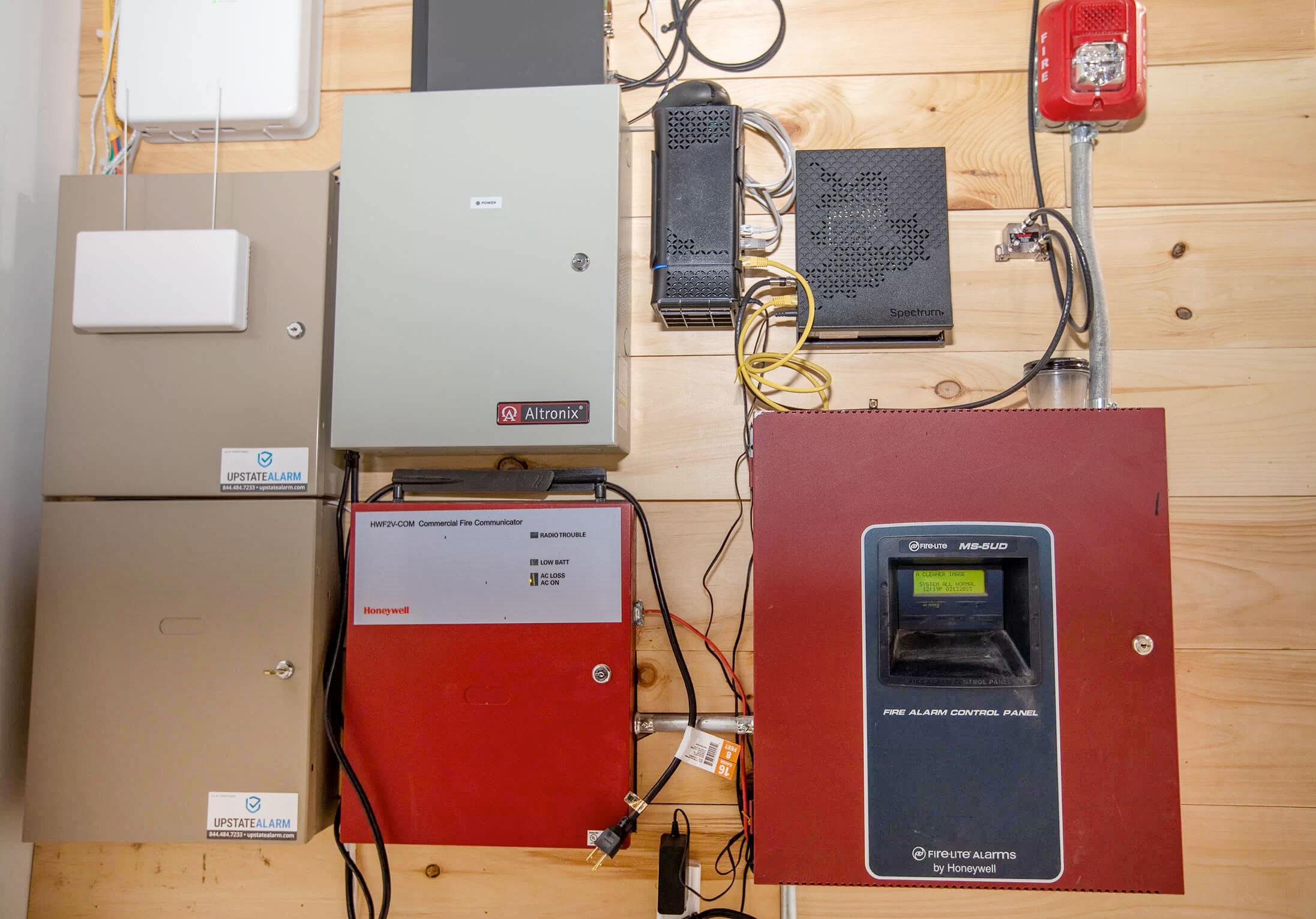
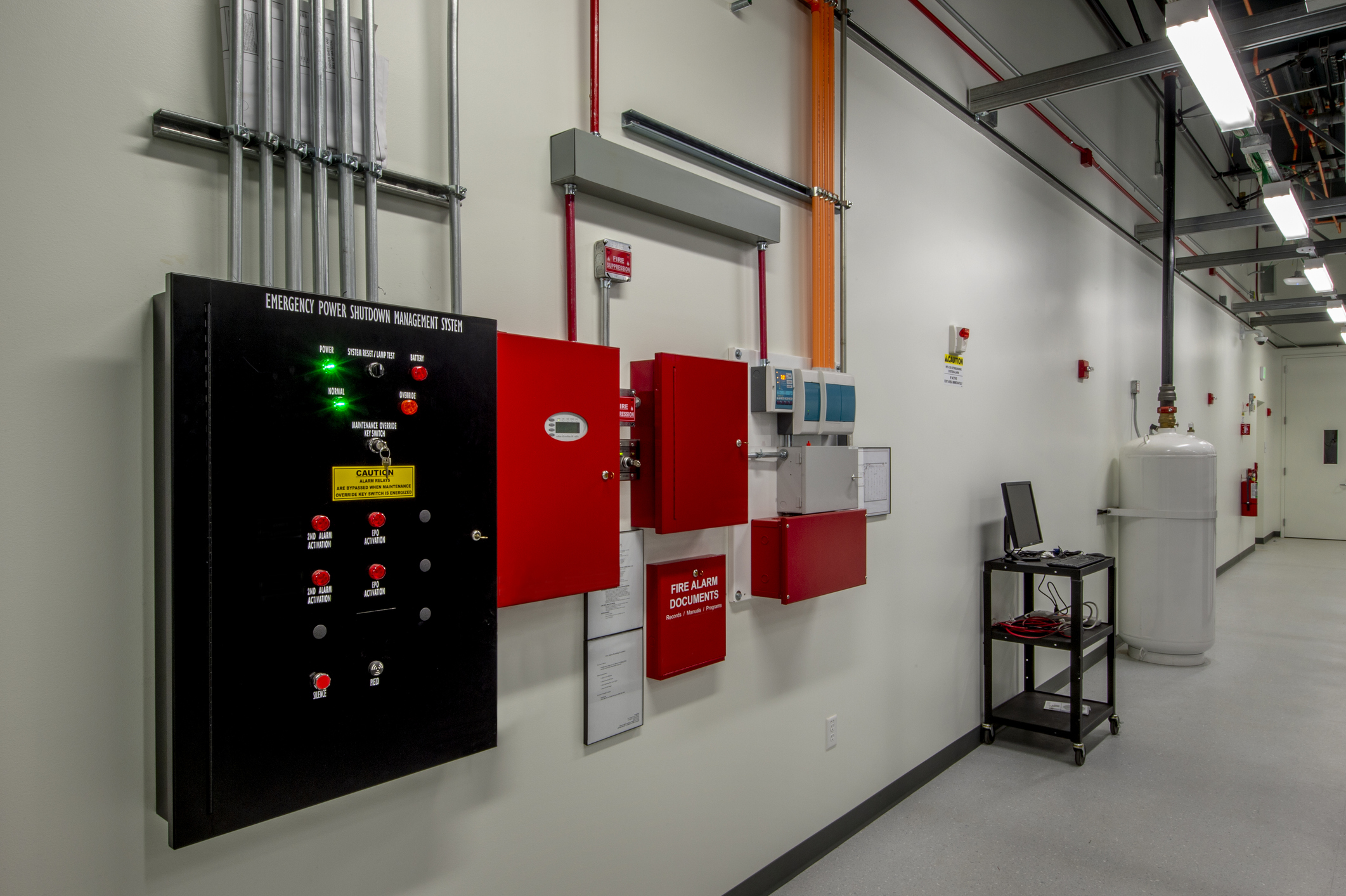
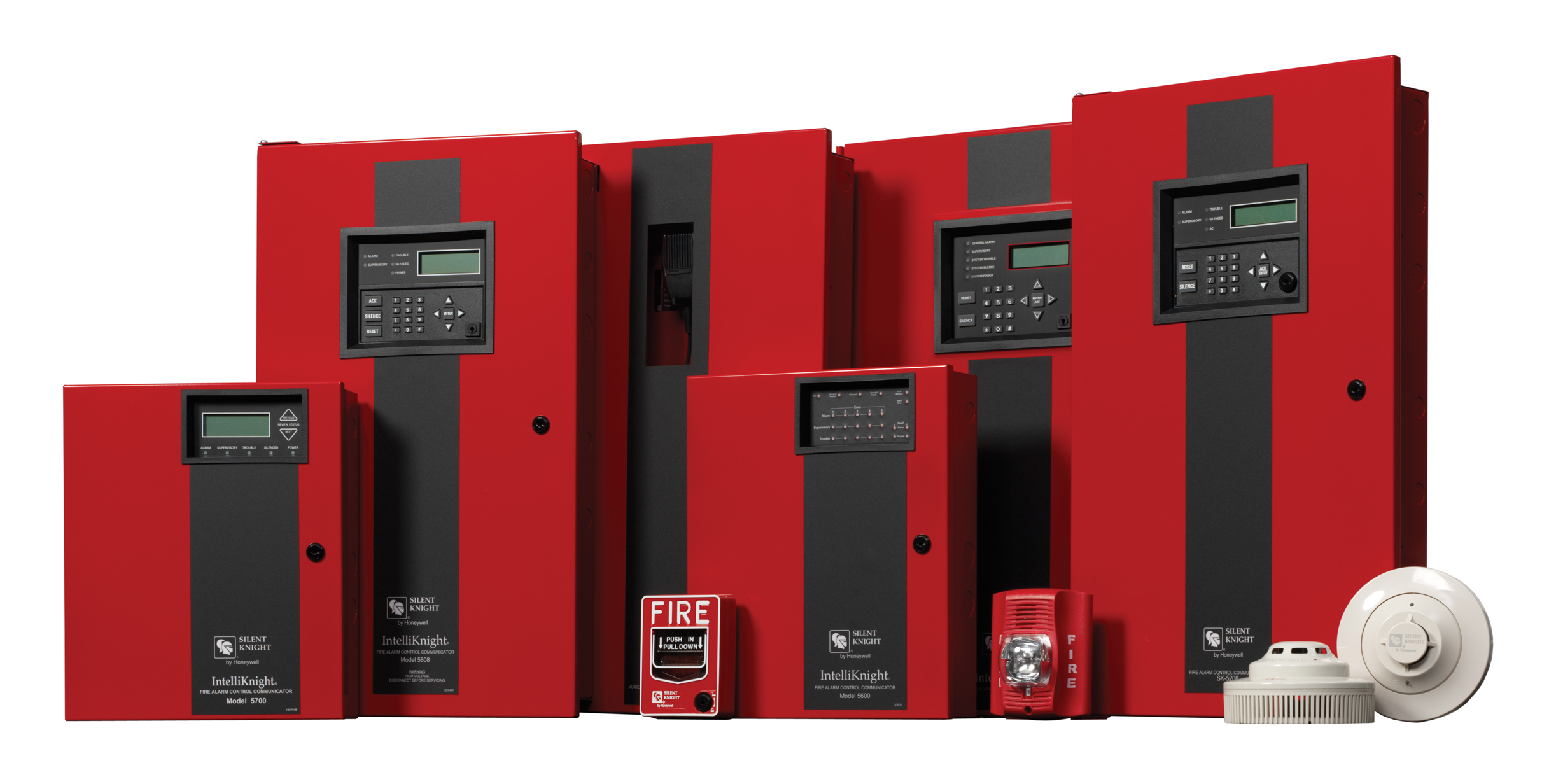
These systems aren't all one-size-fits-all. They come in many fascinating variations! You've got different types of detectors: some sniff out smoke (like photoelectric and ionization detectors), others sense a sudden rise in heat (rate-of-rise detectors), and then there are manual pull stations – those familiar red boxes you activate yourself. Once a threat is detected, the system uses various notification devices. Beyond the traditional horns and strobes that provide both audible and visual warnings, many larger buildings now feature sophisticated voice evacuation systems. These can deliver clear, pre-recorded messages instructing occupants on the safest evacuation routes, which is incredibly helpful, especially in complex or high-rise structures. Some advanced systems are even "addressable," meaning they can tell firefighters the exact room or device that triggered the alarm, saving crucial time. They often integrate with other building systems too, like automatically shutting down HVAC to prevent smoke spread or recalling elevators to ground level.
Must Read
Getting "started" with a fire alarm system mostly revolves around awareness and preparedness. If you're an occupant of a commercial building, the best tip is to know your building's evacuation plan. Pay attention during fire drills, locate the nearest exits, and know where the manual pull stations are. If you're involved in building management, regular inspections and maintenance by certified professionals are non-negotiable – often mandated by codes like NFPA. Conducting frequent, realistic fire drills helps ensure everyone knows what to do when an alarm sounds. Educating your staff and tenants about the system's importance and their role in an emergency is also key. A well-maintained and understood system isn't just a piece of equipment; it's a lifeline.
Ultimately, while fire alarm systems might seem like mundane infrastructure, their underlying purpose is anything but. They represent a deep commitment to safety and preparedness, providing invaluable protection for everyone who steps foot inside a commercial building. Understanding how they work and what to do brings a genuine sense of reassurance, making these complex networks a true testament to our collective value of life and property. That's a system worth appreciating!
The user wants an easy-going article about fire alarm systems for commercial buildings. I need to follow these specific instructions: - Native English. - No title. - HTML format: ``, `
`, ``, ``.
- Output only the `` tag.
- Length: 500 words.
The article content must follow this structure:
1. Introduction: Explain why the topic is fun, useful, or popular. (How can fire alarms be "fun"? I'll lean into "useful" and "peace of mind".)
2. Purpose and Benefits: For different audiences (beginners, families, hobbyists). (I'll adapt "audiences" to "stakeholders" in a commercial building context: building owners, employees, emergency services).
3. Examples/Variations: Related to the topic. (Different types of detectors, notification devices, system complexities).
4. Practical Tips: For getting started. (Regular maintenance, understanding the system, drills).
5. Conclusion: Highlight enjoyment or value.
Let's break down the content points:
1. Introduction:
* Why "fun"? Maybe not fun, but fascinating and reassuring.
* Useful: Absolutely critical for safety.
* Popular: Essential in every commercial building.
* Angle: While you might not think of fire alarm systems as "exciting," understanding them brings a real sense of security and control. It's about protecting lives and livelihoods.
2. Purpose and Benefits:
* Purpose: Early detection of fire, rapid notification, evacuation.
* Benefits:
* Building Owners/Managers: Legal compliance, asset protection, reduced liability, peace of mind, business continuity.
* Employees/Occupants: Safety, quick evacuation, knowing what to do.
* Emergency Services: Faster response, knowing where the fire is, safer entry.
* Beginners/Families/Hobbyists: How to adapt this? I'll focus on the general public who occupy these buildings. For "beginners," it's about understanding the basics of why these systems are there and what to do when they go off.
3. Examples/Variations:
* Detection Devices:
* Smoke detectors: Photoelectric, ionization.
* Heat detectors: Fixed temperature, rate-of-rise.
* Carbon Monoxide (CO) detectors: Though not always "fire," often integrated.
* Manual Pull Stations: Red boxes you see.
* Notification Devices:
* Horns/Strobes: Audible and visual alerts.
* Voice Evacuation Systems: Pre-recorded messages.
* System Types:
* Conventional: Zones.
* Addressable: Specific device location.
* Networked: Multiple buildings.
* Integration: Sprinkler systems, HVAC shutdown, elevator recall.
4. Practical Tips for Getting Started (as an occupant/manager):
* For Occupants:
* Know your building's evacuation plan.
* Locate nearest exits and pull stations.
* Don't ignore alarms – always evacuate.
* For Managers/Owners:
* Regular inspections and maintenance (NFPA standards).
* Professional installation and monitoring.
* Conduct regular fire drills.
* Educate occupants.
5. Conclusion:
* Reiterate value: Peace of mind, safety, preparedness.
* Not just a legal requirement, but a lifesaving investment.
Constraint Checklist & Confidence Score:
1. Native English: Yes
2. No title: Yes
3. HTML format (, , , ): Yes
4. Output only : Yes
5. Length: 500 words: Will monitor during writing.
Confidence Score: 5/5
Strategizing complete. I will now proceed with generating the article following these points.