Fire Alarm Chirping With New Battery
Ah, the subtle, yet incredibly insistent, chirp of a fire alarm. It's a sound that can strike fear, annoyance, and even a touch of genuine confusion into the heart of any homeowner. You've heard it, haven't you? That lonely, piercing "beep"... "beep"... every 30-60 seconds, usually at 3 AM. It’s a universal household signal of distress, and frankly, a popular topic because we've all been there. The good news? Solving this little mystery, especially when it keeps chirping after a new battery, is a small but mighty victory that brings immense satisfaction and, more importantly, restores peace and quiet to your domain. Understanding your chirping fire alarm isn't just about sanity; it's about keeping your home and loved ones safe.
The primary purpose of that persistent chirping, of course, is to alert you to a low battery, ensuring that your life-saving device remains operational. A functional fire alarm is your first line of defense, providing precious minutes to evacuate during a fire. It's a simple, inexpensive piece of technology with an incredibly important job. But what happens when you’ve done the responsible thing, replaced the battery, and yet that irritating chirp continues? It’s enough to make you wonder if the alarm is just messing with you!
Fear not, intrepid homeowner! This isn't usually a malicious act by your smoke detector, but rather a common hiccup with a few straightforward solutions. The benefits of knowing these tricks are enormous: you save money by not calling an electrician, you avoid the frustration of ongoing noise pollution, and you guarantee your safety by keeping your alarm in top working order. Let's dive into why your fire alarm might still be sounding off, even with a fresh power source.
Must Read
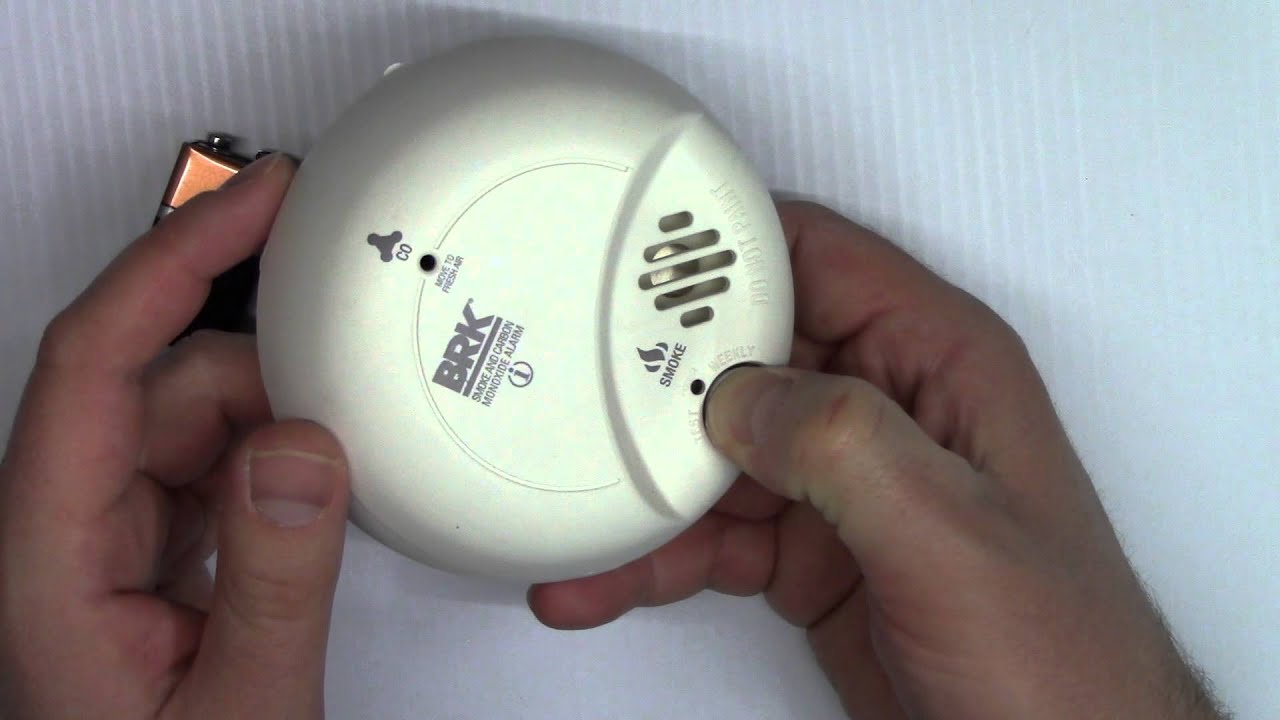
The most frequent culprit behind a persistent chirp after a battery change is often overlooked: the need for a full reset. Many fire alarms hold onto a residual charge, even after the old battery is removed. This means the alarm hasn't fully registered that a shiny new battery is in place. The fix? After removing the old battery, press and hold the test button for about 15-30 seconds. This action drains any leftover power, allowing the unit to completely reset. Once you’ve done this, insert your brand-new, fresh battery (make sure it's actually new and not from that mystery drawer of old batteries!).
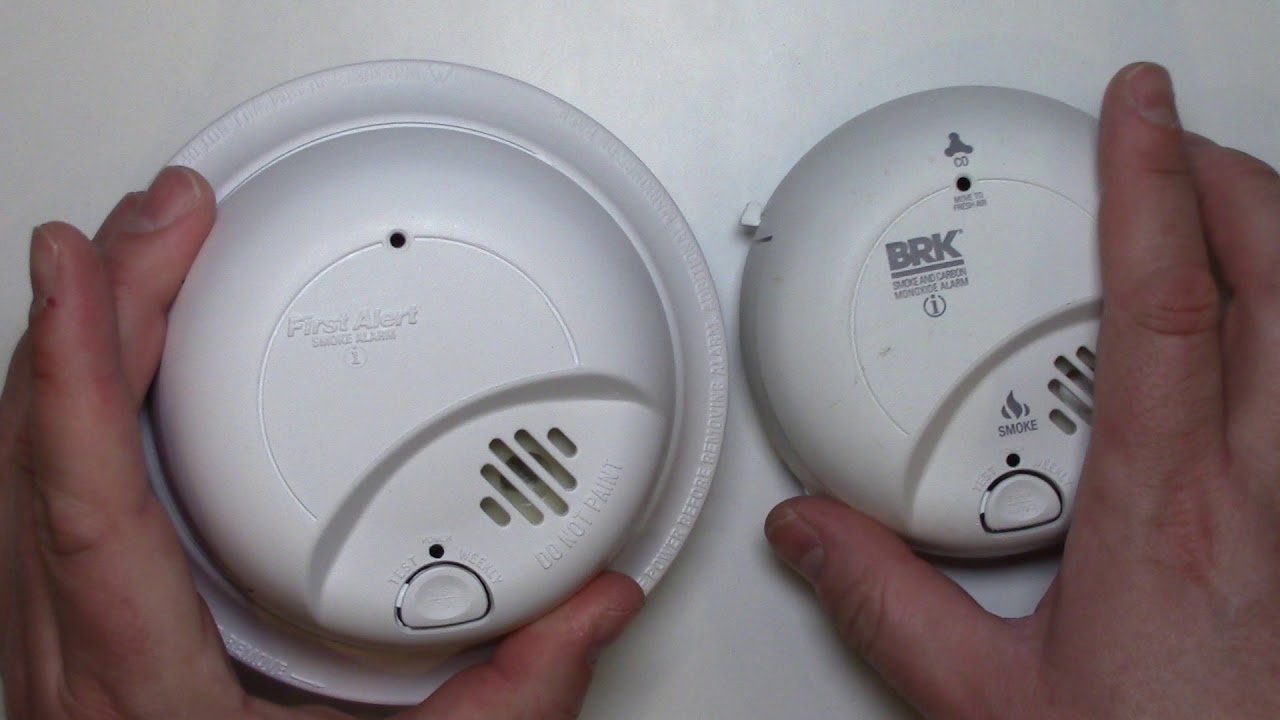
If the reset ritual doesn't do the trick, consider these other common causes. Firstly, double-check that the battery is inserted correctly and making good contact. A slightly misaligned battery won't power the unit properly. Secondly, a build-up of dust or debris inside the alarm can sometimes interfere with its sensors, leading to false alerts. Gently vacuuming around the vents or using a can of compressed air can often resolve this. Lastly, and perhaps most importantly, fire alarms have a lifespan. Most manufacturers recommend replacing your smoke detectors every 8-10 years. If your alarm is approaching or past this age, that continuous chirp might be its way of telling you it's time for retirement, regardless of the battery. Check the manufacturing date on the back of the unit.
Once you’ve tackled these potential issues, always remember to press the test button to ensure your alarm is working properly. The sweet sound of silence, coupled with the knowledge that your home is protected, is a reward in itself. So, next time that dreaded chirp begins, you'll be armed with the knowledge to swiftly silence it and enjoy the peace of mind that comes with a safe and quiet home. It’s a small life skill, but one that brings big benefits!