
Fire Alarm Chirping Every 30 Seconds
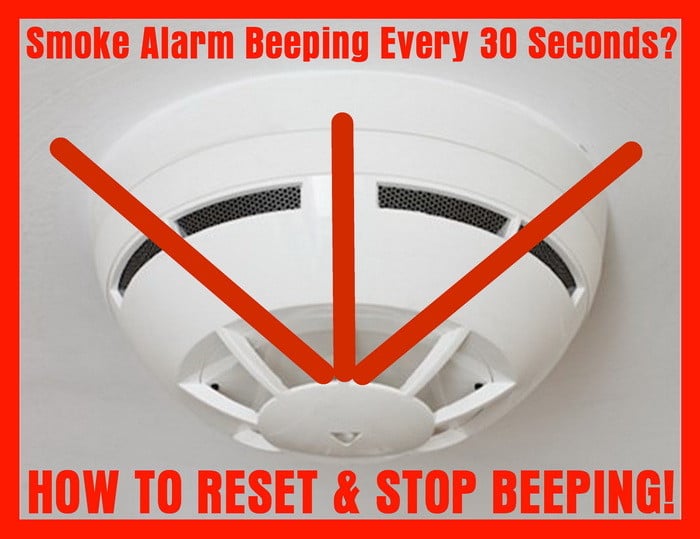
Alright, let's talk about that sound. You know the one. That little chirp. That intermittent, high-pitched "peep" that cuts through the silence of your home, usually when you're trying to relax, read a book, or, let's be honest, scroll through social media. It's the sound of a fire alarm that's decided to embark on its own personal symphony, playing a single note every 30 seconds.
Annoying? Oh, absolutely. But also… kinda fascinating, isn't it? Have you ever stopped to wonder, beyond the immediate urge to grab a ladder and a fresh battery, what’s actually going on up there? Why that specific interval? Why not just a constant wail? Or a gentle blink? Turns out, there's a whole lot of clever engineering packed into that little plastic disc on your ceiling.
The Persistent Little Messenger
Think of your fire alarm as a tiny, dedicated guardian. It sits there, day in and day out, silently watching over your safety. But like any good guardian, it also knows when it needs a little TLC. That chirp? It’s not just a random noise; it's a direct message. A Morse code for "Hey, chief, my energy reserves are running low!"
Must Read
Most commonly, this distinct chirping is the alarm's way of telling you its battery is dying. Yep, just like your phone when it hits 10%, but instead of a polite vibrate, you get a piercing peep. It's an urgent, yet strangely disciplined, plea for a power-up.
It’s kind of endearing, if you think about it. This small device, built to protect you, is essentially begging for sustenance. It's like a tiny, vigilant pet that, instead of meowing or barking, politely (but persistently!) beeps to signal its needs.

Why the 30-Second Tango?
Now, this is where it gets really interesting. Why not just chirp constantly until you change the battery? Or, conversely, why not just wait until it's completely dead? The 30-second interval is actually a masterclass in compromise and efficiency.
Imagine if it chirped non-stop. You’d probably go mad within minutes, right? And what little power the battery had left would be gone in a flash. The engineers behind these devices are pretty smart. They're trying to give you a signal that’s:

- Noticeable: You can't ignore it for long. It's designed to drill into your consciousness without being too overwhelming right away.
- Energy-Efficient: By chirping only every 30 seconds, it conserves the last precious bits of battery life, ensuring it can keep sounding the alert for a good while longer – sometimes weeks!
- Distinct: It's different from the full-blown "FIRE!" alarm, so you know it's a maintenance issue, not an immediate emergency. It's a "heads up," not a "run for your life!"
It’s almost like your fire alarm has its own tiny internal clock, ticking down the seconds until its next performance. Tick… tick… tick… chirp! A perfectly timed, minimal effort announcement, like a seasoned performer who knows how to make an entrance without exhausting themselves.
The Silent Self-Test
But how does it even know the battery is low in the first place? Does it have a tiny voltmeter inside, constantly checking? Well, yes, in a way! Many modern smoke detectors perform a silent self-test periodically. They briefly check their internal circuits and, crucially, the battery's voltage.
If the voltage dips below a certain threshold – essentially, if the battery is starting to get tired – that's when our little sentinel decides it's time to start its chirping routine. It's a proactive measure, a little heads-up before things go completely dark. Pretty neat, right? It's like your car telling you "Low Fuel" before you're stranded on the side of the road. Except, perhaps, a bit more insistent than a dashboard light that you might ignore for a few miles.
A Tiny Robot Begging for Sustenance
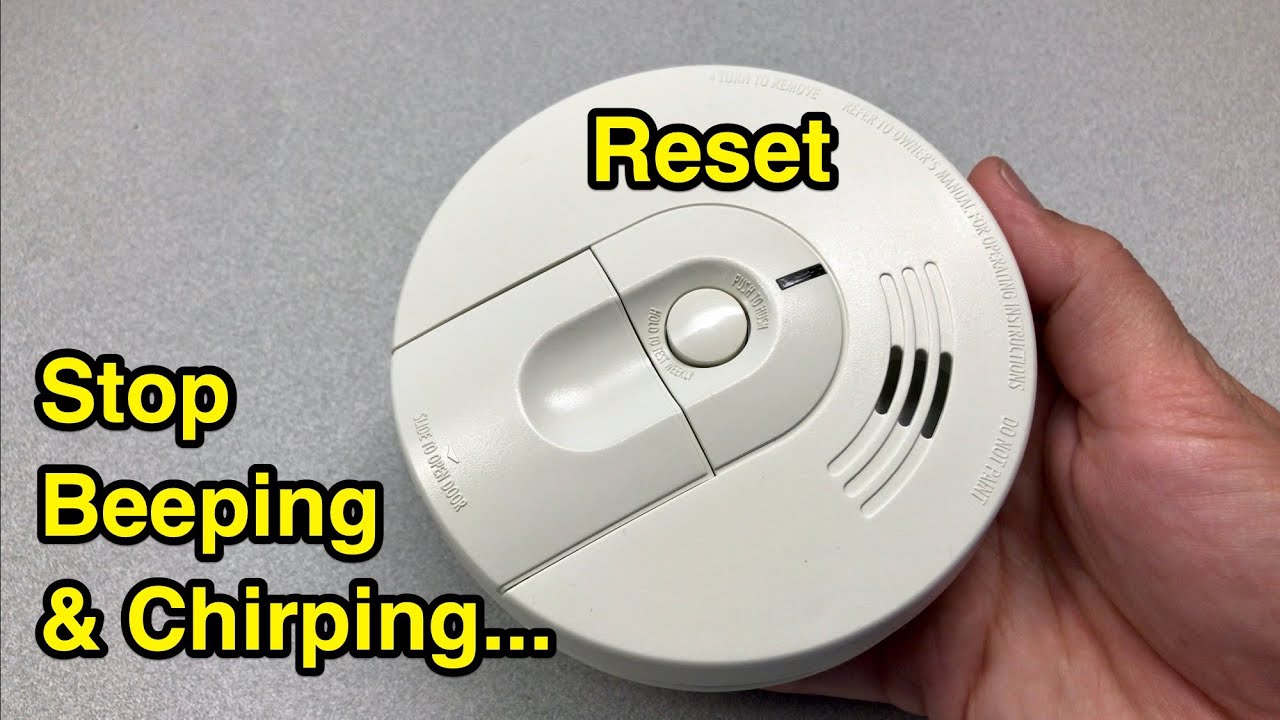
Think of it this way: your fire alarm is a diligent, albeit annoying, robot. And that chirp? That's its version of "feed me!" or "recharge me!" It's not trying to vex you; it's just trying to stay operational, ready to perform its critical duty if and when smoke ever enters the picture.
It’s a stark reminder that even the simplest, most taken-for-granted bits of tech in our homes have layers of thoughtful design behind them. From the moment you press the "test" button to hear that loud, reassuring wail, to the subtle, maddening chirp of a dying battery, these devices are engineered to communicate effectively.

So, the next time you hear that familiar "peep," instead of just groaning and rolling your eyes, maybe take a moment. Appreciate the subtle complexity. Marvel at the tiny circuit board that’s managing power, performing self-checks, and then patiently, persistently, sending you a signal. It’s a small piece of everyday magic, ensuring your safety, even as its own energy dwindles.
Your Call to Action (The Easy Bit!)
Of course, after appreciating the engineering marvel, the next logical step is to actually change the battery! Usually, it's a standard 9-volt or AA/AAA set, easily swapped out. And just like that, silence is restored, and your little guardian is back to full strength, silently vigilant once more.
Who knew such a small, irritating sound could hold so much interesting information, right? It’s a testament to how much thought goes into even the most unassuming gadgets that safeguard our lives. And now, you know its secret!