Exmark Kohler Engine Oil Leaking Blown Head Gasket

Let's face it, lawn care isn't always the most glamorous pursuit. But a meticulously manicured lawn? That's a masterpiece! And a crucial tool in that masterpiece's creation is, of course, your trusty Exmark mower. But what happens when your mechanical marvel starts acting less like a finely tuned machine and more like an… well, a machine that's experiencing a rather rude awakening? Specifically, we're talking about that dreaded sight: oil leaking from your Exmark with a Kohler engine, potentially hinting at a blown head gasket.
Now, before you resign yourself to the fate of hiring a professional, consider this: understanding and potentially addressing this issue yourself can be surprisingly empowering. Think of it as mechanical mindfulness! For artists, hobbyists, and even casual learners, delving into the mechanics of your mower provides a unique opportunity to understand how things work, problem-solve creatively, and even develop new skills. It's like a reverse-engineering art project! Imagine the satisfaction of not only fixing your mower but also gaining a deeper appreciation for the intricate workings of internal combustion engines.
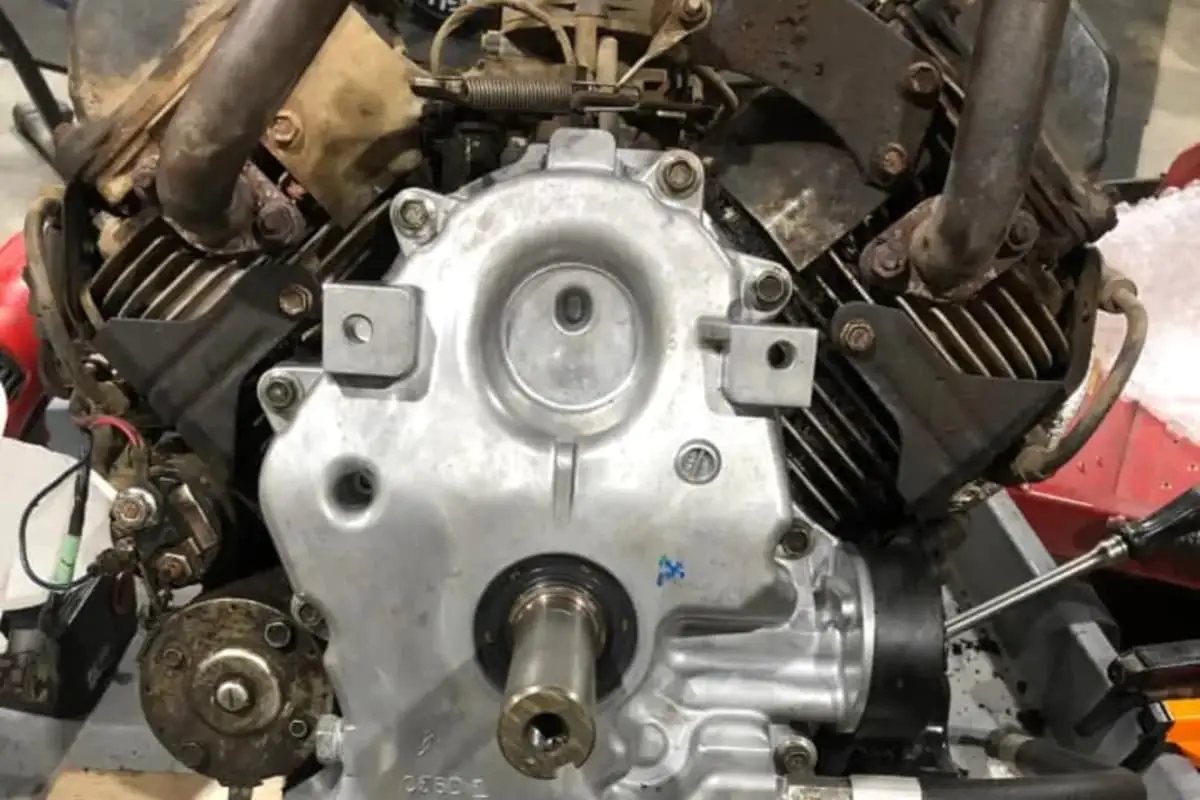
What exactly does a blown head gasket mean? Essentially, it's like a breach in the wall separating your engine's combustion chamber from the oil and coolant passages. This breach can lead to various symptoms beyond oil leaks, including reduced engine power, white smoke from the exhaust (indicating coolant burning), and overheating. Different Exmark models and Kohler engine types might exhibit variations in these symptoms. For example, a smaller, single-cylinder engine might show symptoms more dramatically than a larger, twin-cylinder engine. Similarly, the location of the leak can vary depending on where the gasket failed.
Must Read
Want to try your hand at diagnosing or even attempting a repair? Here are a few tips to get started at home. First, safety first! Disconnect the spark plug wire and allow the engine to cool completely. Second, thoroughly inspect the engine for oil leaks, paying close attention to the area around the head gasket. Look for signs of oil seeping out or coolant residue. If you're comfortable, you can use a compression tester to check the compression in each cylinder – a low reading on one or more cylinders could indicate a head gasket issue. Consult your Exmark and Kohler engine manuals for specific instructions and torque specifications. Remember, attempting repairs beyond your skill level could lead to further damage, so knowing your limits is crucial. There are tons of helpful online videos and forums dedicated to small engine repair that can provide visual guidance. Don't be afraid to ask for help from experienced friends or online communities!
Ultimately, tackling a repair like this – even just the diagnostic process – can be incredibly enjoyable. It's a chance to learn new skills, exercise your problem-solving abilities, and gain a deeper understanding of the mechanics of your world. Plus, there's the undeniable satisfaction of saving money and the smug satisfaction of knowing you tackled a tough task yourself. So, grab your wrenches, embrace the challenge, and turn that leaky Exmark into an opportunity for learning and growth. Who knows, you might just discover a hidden talent for small engine repair!