
Draw The Major Product Of The Following Reaction
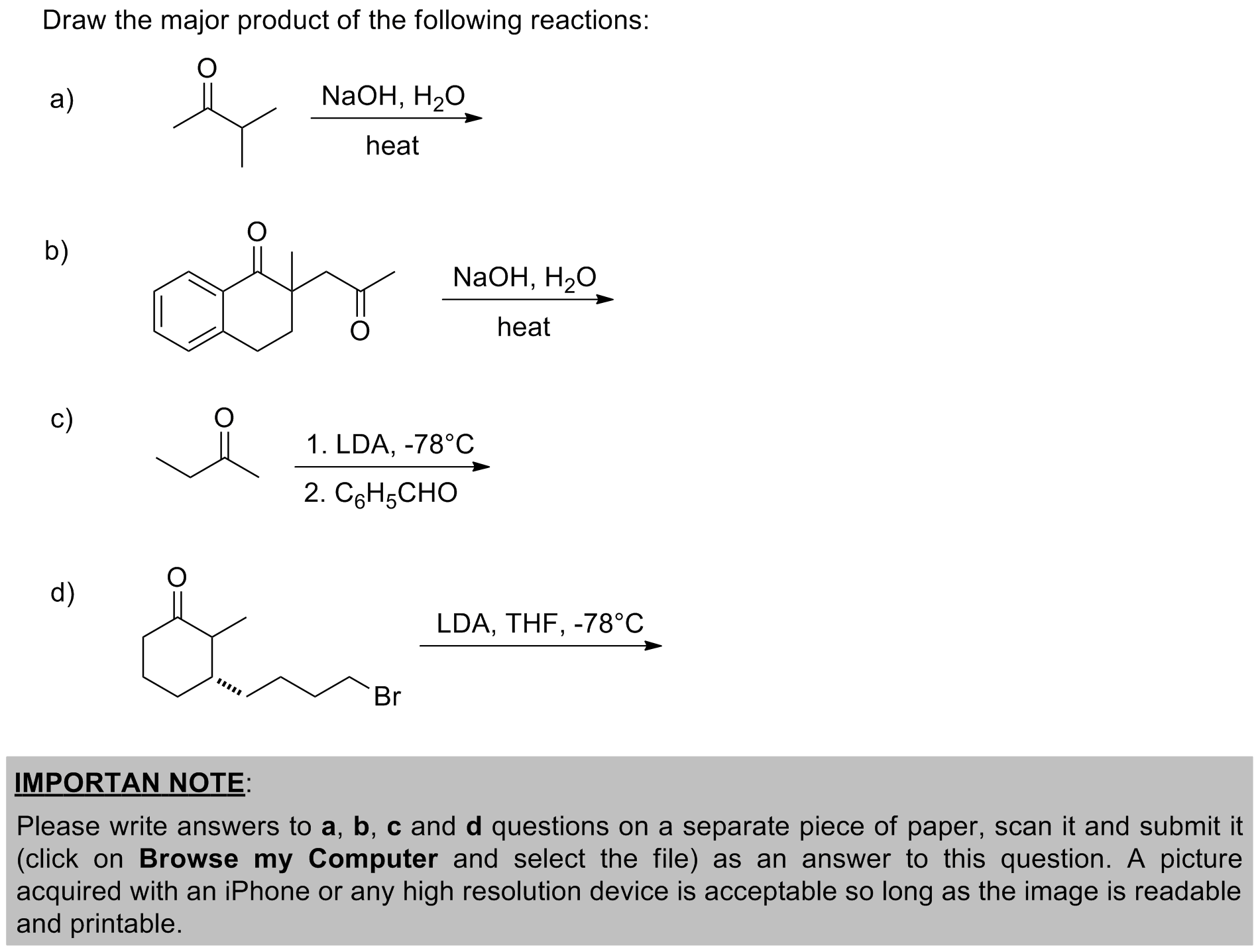
Alright, settle in, folks, because we're about to embark on a thrilling adventure into the heart of organic chemistry! And yes, I said "thrilling." Maybe I oversold it a little. But trust me, even if you haven't seen a lab coat since high school, this will be… mildly interesting. Our quest? To predict the major product of a chemical reaction. Prepare yourselves!
Imagine, if you will, a molecular dating game. We've got two molecules, all dressed up and ready to react. One’s got a bit of a negative charge, a real electron hog, we'll call it our nucleophile. Think of it as the picky eater at the buffet, always demanding something specific. The other molecule, our electrophile, is a bit electron-deficient, basically starving for some negative charge. It’s the one saying, "Anything! I'll eat anything!"
Now, these two molecules, they're not just going to randomly bump into each other and spontaneously combust (although, wouldn't that be a dramatic product?). No, no. They need a little encouragement. That’s where the reaction conditions come in. Think of it like the dating app algorithm that sets them up.
Must Read
The Grand Reaction Reveal (Drumroll Please!)
Okay, okay, enough with the theatrics. Let's say our reaction involves an alkyl halide (something like bromoethane) reacting with a strong base (like sodium hydroxide – NaOH). Don't worry if the names sound intimidating; they're just fancy words for simple things. A bromoethane is basically ethane, but with one of the hydrogen atoms swapped out for a bromine atom. The bromine makes the carbon next to it electron-deficient, aka the electrophile. The NaOH breaks down into sodium ions (Na+) and hydroxide ions (OH-). The hydroxide ion, with its negative charge, is our nucleophile.
So, what happens when these two lovebirds meet? Well, it's a battle for the ages! Actually, it's usually one of two reactions: Substitution (SN2 or SN1) or Elimination (E2 or E1). It's like choosing between pizza or tacos. Both are delicious, but you can usually only pick one.
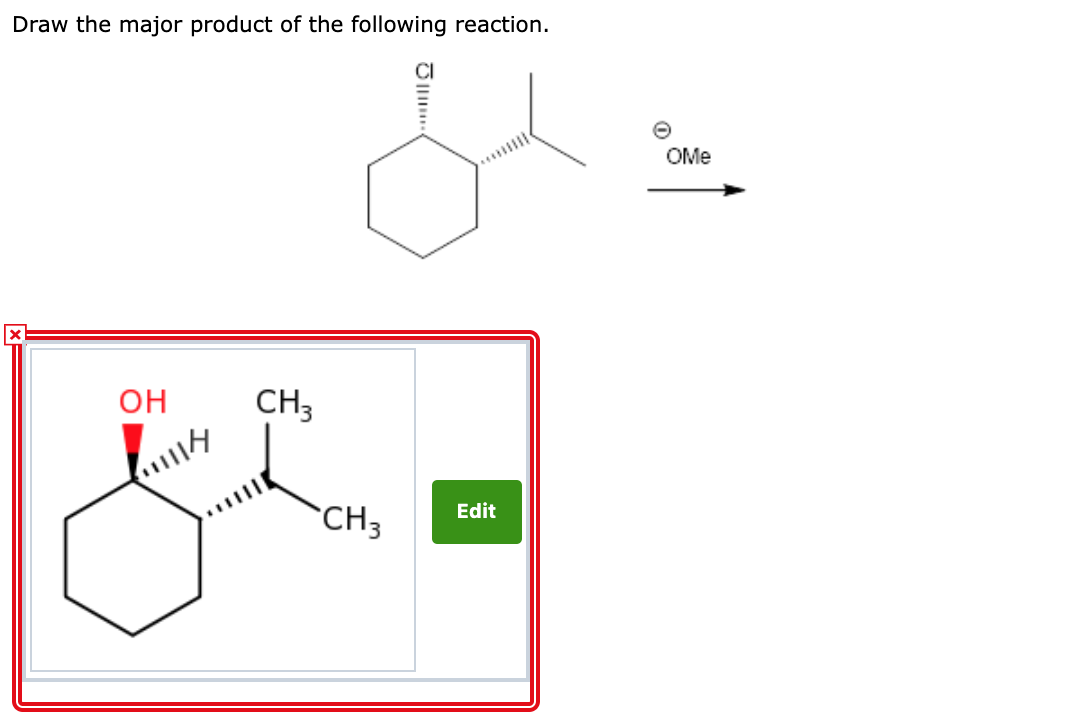
Let's say we've got a primary alkyl halide (the carbon attached to the halogen is only connected to one other carbon). And we've got that strong base (NaOH). This is a classic SN2 reaction scenario. Think of SN2 as a sneaky, back-alley attack. The hydroxide ion, our nucleophile, comes in from the back, kicks off the bromine (the leaving group – like ditching a bad date!), and bam! We've got an alcohol (ethanol, in this case). It's a one-step process, clean and efficient.
Now, why is it "SN2"? The "S" stands for substitution. The "N" stands for nucleophilic. And the "2" means it's a bimolecular reaction, meaning the rate of the reaction depends on the concentration of both the nucleophile and the electrophile. Think of it as a double date, where everyone needs to be present for the fun to happen.
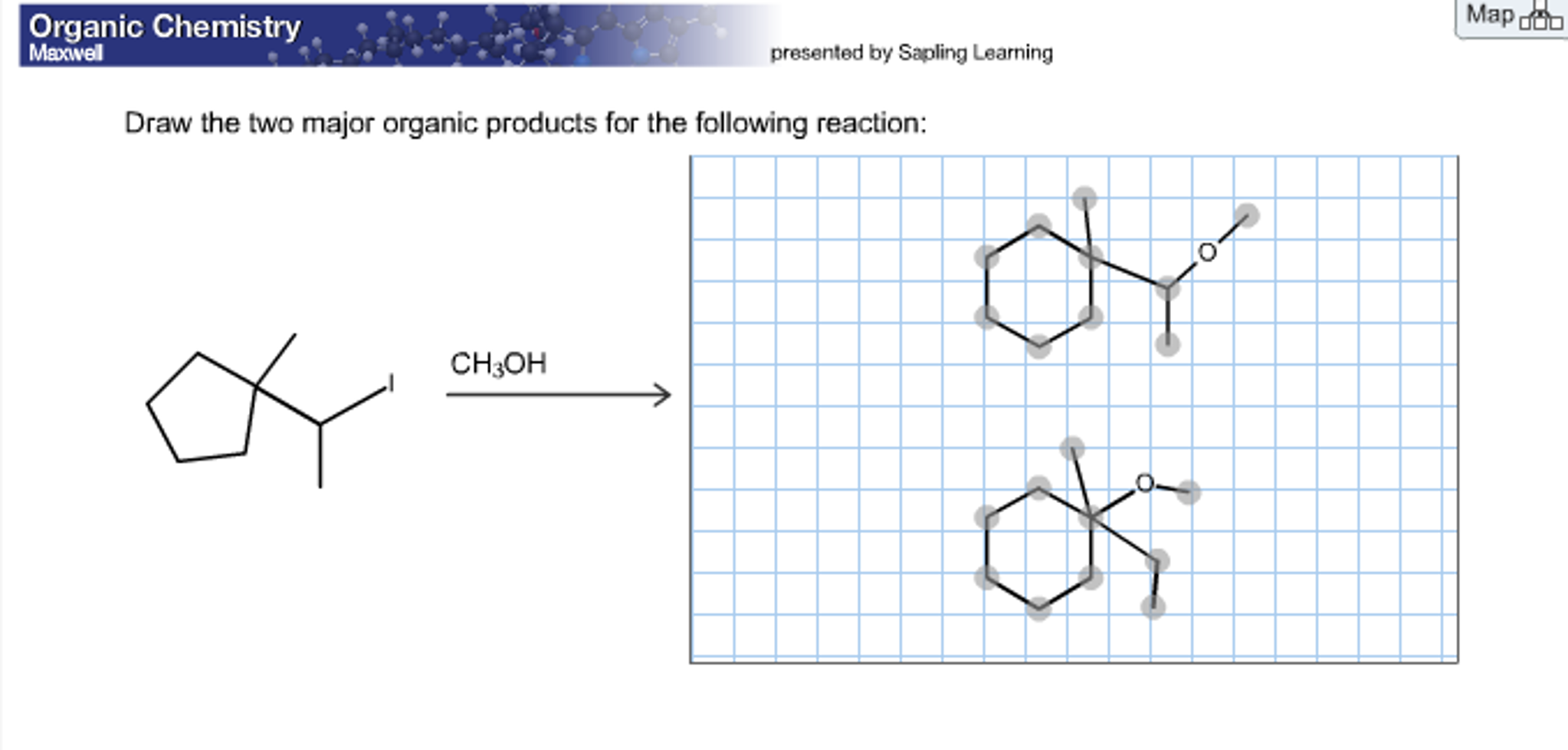
But wait! What if our alkyl halide was tertiary? (The carbon attached to the halogen is connected to three other carbons.) Now things get spicy! That hydroxide ion might still try to do an SN2, but those three other carbons are creating a real traffic jam. It's like trying to parallel park a monster truck in a clown car convention.

Instead, we're more likely to see an E2 reaction. "E" for elimination. In this case, the hydroxide ion acts more like a base. It grabs a proton (a hydrogen atom) from a carbon next to the carbon with the halogen. This creates a double bond between those two carbons, and the bromine leaves as a bromide ion. The result? An alkene! Think of it as the molecule deciding to ditch the relationship entirely and go its own way.
So, determining the major product depends on several factors: the structure of the alkyl halide (primary, secondary, tertiary), the strength of the base, and even the solvent used! It’s a complex dance, a delicate balance of factors that determine the winner.
The Punchline (Almost There!)
The key takeaway? Organic chemistry isn't just about memorizing reactions. It’s about understanding the principles that drive them. Think about the molecules as characters in a play, each with its own personality and motivations. Who's electron-rich? Who's electron-poor? Is there a lot of steric hindrance (molecular traffic)? The answers to these questions will guide you to the major product!
And that, my friends, is how you draw the major product of a reaction. Now, if you’ll excuse me, I need a refill on my coffee. All this chemistry talk is making me thirsty!
Fun Fact: Did you know that some chemists believe that all chemical reactions are just a quest for stability? It's like the molecules are all trying to find their inner peace. Maybe they should try yoga.
