
Draco Malfoy Goblet Of Fire
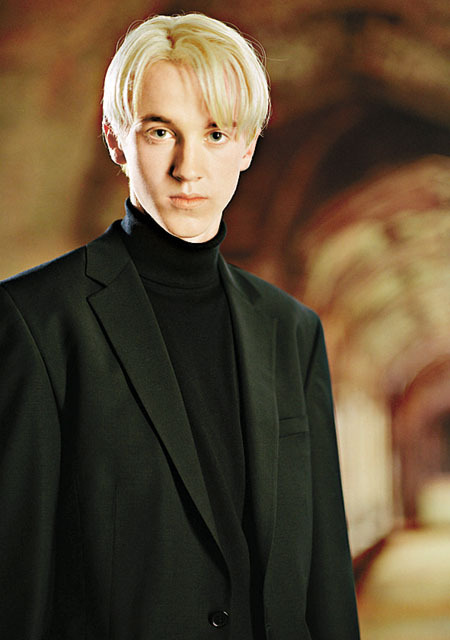
Let's face it, we all love a good villain, and in the magical world of Harry Potter, few are as complex and compelling as Draco Malfoy. While he's often the butt of jokes or dismissed as a spoiled bully, taking a closer look at Draco during the Goblet of Fire year reveals a surprising amount about his character and the escalating conflict that's about to engulf the wizarding world. It's a year where Draco starts to grapple with the reality of his family's beliefs, and it's fascinating to unpack!
So, what's the point of analyzing Draco Malfoy in the fourth book? Well, it's more than just academic Potterhead-ing (although, let's be honest, that's fun too!). Examining Draco's behavior helps us understand the growing influence of Voldemort and the Death Eaters. He represents a generation raised in a specific ideology, and his actions reflect the insidious nature of prejudice and indoctrination. By understanding Draco, we gain a richer perspective on the moral complexities within the Harry Potter universe and the challenges of resisting dark influences.
In Goblet of Fire, Draco isn't just a schoolyard tormentor anymore. He's actively involved in spreading anti-Muggle propaganda, sporting "Potter Stinks" badges and generally stirring up trouble at every opportunity. While this might seem like typical Malfoy behavior, it's important to consider the context. Voldemort's power is growing, and the Death Eaters are becoming bolder. Draco is mirroring the rhetoric he hears at home, indicating that the seeds of darkness are being sown deep within him. He's actively choosing to align himself with a hateful ideology.
Must Read
Furthermore, Draco's interactions with Harry become more pointed and aggressive. He actively tries to undermine Harry's confidence, particularly during the Triwizard Tournament. This isn't just petty rivalry; it's a reflection of the Death Eaters' growing animosity towards anyone perceived as a threat to their power. Draco is acting as a pawn, echoing the prejudices and fears of his parents and their associates. He hasn't yet developed the independent thought to challenge these notions. This is a critical turning point in his development.

But here's the kicker: even amidst all the antagonism, there are glimpses of vulnerability. There are moments where you can almost see the weight of expectation bearing down on him. He's trying to live up to his family's name and legacy, even though he may not fully understand or agree with everything they represent. This internal conflict is what makes Draco such a compelling character. He's not just a one-dimensional villain; he's a product of his environment, struggling with the pressure of his upbringing.
In conclusion, delving into Draco Malfoy's role in Goblet of Fire offers a valuable insight into the wider narrative. He serves as a microcosm of the escalating conflict, illustrating the dangers of prejudice and the challenges of resisting dark influences. By understanding his motivations and the pressures he faces, we can gain a deeper appreciation for the complex moral landscape of the Harry Potter series and the importance of critical thinking in the face of adversity. So, next time you reread Goblet of Fire, take a closer look at Draco – you might be surprised at what you discover!


