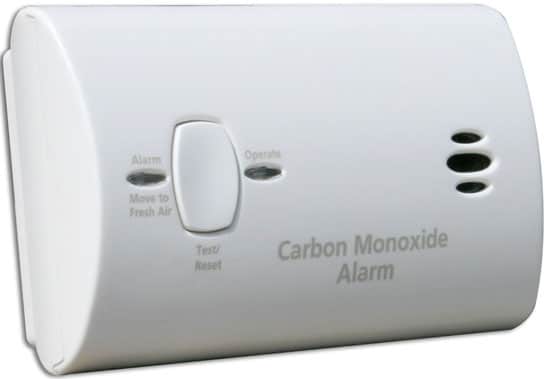
Double Beep Carbon Monoxide Detector
Ah, the comforting hum of domesticity. The gentle whir of the refrigerator, the distant rumble of laundry, maybe the soft purr of a beloved pet. We all crave that sense of safety and serenity within our own four walls. And while we might not "enjoy" them in the same way we enjoy a good book or a warm cup of coffee, there are certain unsung heroes of our homes that bring us an unparalleled sense of peace of mind. Chief among them? That unassuming little sentinel standing guard against the unseen, the unheard, the odorless: your carbon monoxide detector.
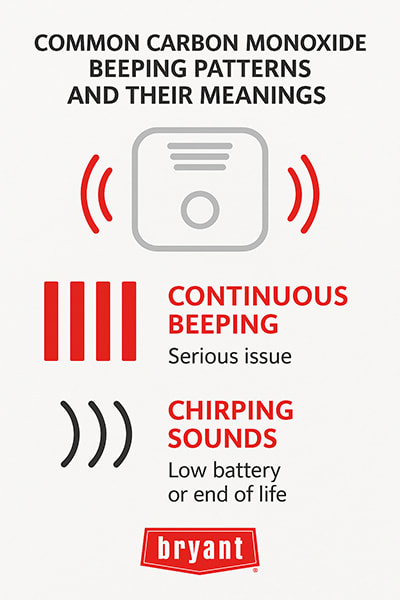
Now, you might be thinking, "Enjoy a CO detector? What's enjoyable about a loud alarm?" And you'd be right if we were talking about the full-blown, ear-splitting, evacuate-immediately alert. But let's shine a light on its more frequent, and frankly, more friendly, communication: the double beep. That gentle beep-beep that punctuates the quiet, a subtle nudge rather than a full-blown panic attack. This isn't a cry of emergency; it's your diligent little guardian simply saying, "Hey, just a friendly reminder!" It’s the sound of proactive protection, a testament to its vigilant watch, and a signal that it’s time for a little attention.
So, what exactly is this silent assassin that our detector so dutifully guards against? Carbon monoxide (CO) is often called the "silent killer" because it's a colorless, odorless, tasteless gas that can be produced by common household appliances like furnaces, gas stoves, water heaters, and even fireplaces. It robs your blood of oxygen, leading to symptoms ranging from headaches and dizziness to unconsciousness and, tragically, death. The detector's purpose is brilliantly simple yet profoundly life-saving: to sniff out this invisible menace long before it can harm you or your loved ones. It acts as an early warning system, providing crucial seconds, even minutes, to react and get to safety.
Must Read
You'll find these vital devices strategically placed in homes with fuel-burning appliances, often near bedrooms or in central hallways. They’re indispensable in cozy cabins with wood-burning stoves, essential for attached garages where vehicle exhaust could seep into living spaces, and non-negotiable in RVs and campers where confined spaces increase risk. They are, quite simply, a fundamental layer of modern home safety.
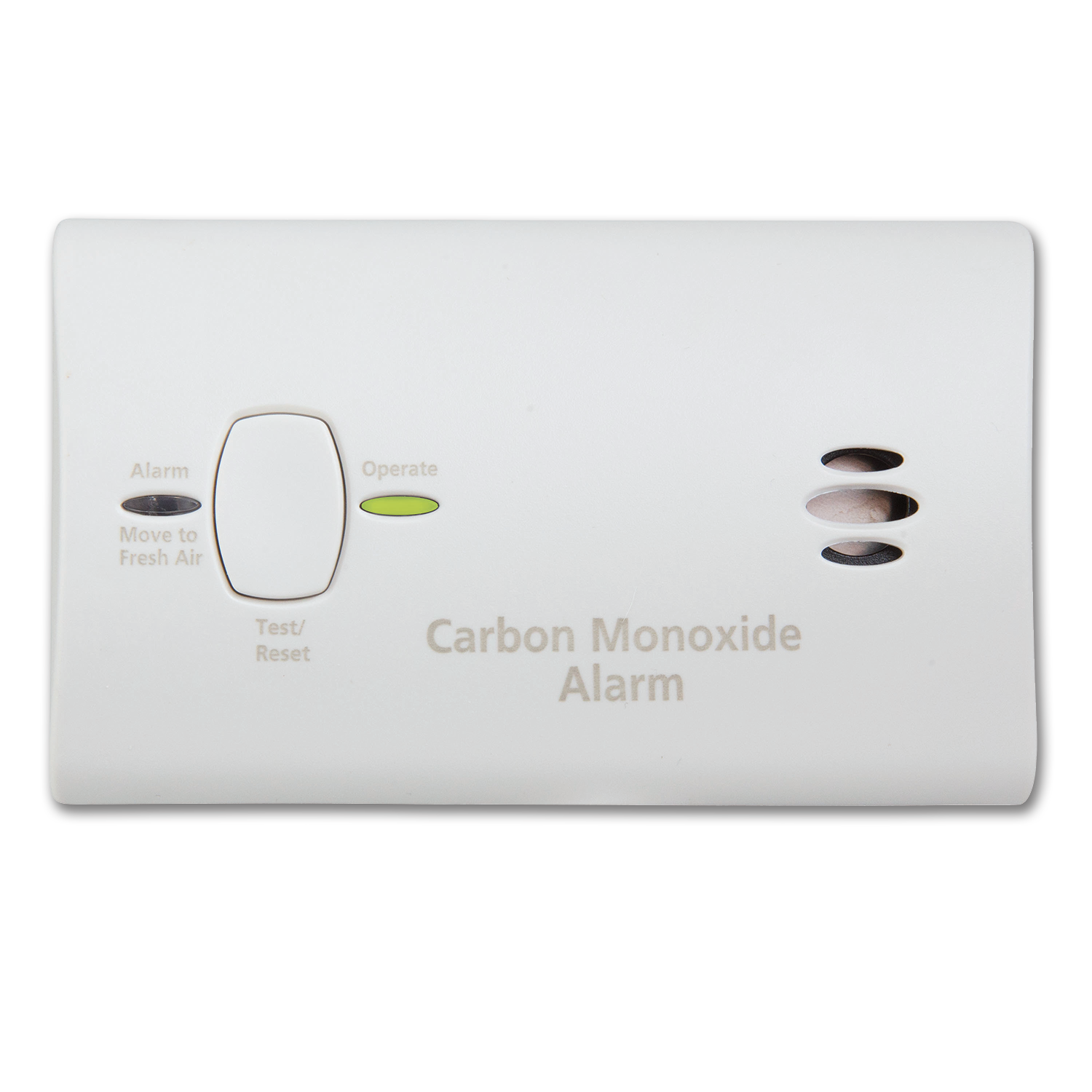
To truly "enjoy" the peace of mind your CO detector offers, and to ensure it remains your most reliable guardian, here are a few practical tips. First, understand the double beep: more often than not, it means your battery is low and needs replacing. It could also signal the unit is reaching its end-of-life and needs to be replaced entirely (most units last 5-7 years). Think of it as a polite text message from your detector, not an urgent 911 call. Always keep fresh batteries on hand, and consider changing them annually—perhaps when you change your clocks for daylight saving time. Second, test your detector monthly by pressing the 'test' button; this ensures the alarm sounds are working. Finally, know what to do if the full alarm (usually four loud beeps) ever goes off: evacuate immediately, call emergency services, and do not re-enter until cleared by professionals. By understanding its language and performing simple maintenance, you ensure your silent guardian is always ready, allowing you to relax and enjoy the comforting sounds of your safe home, free from the worry of the unseen.