
Does To Kill A Moking Bird Teach Racism Reddit
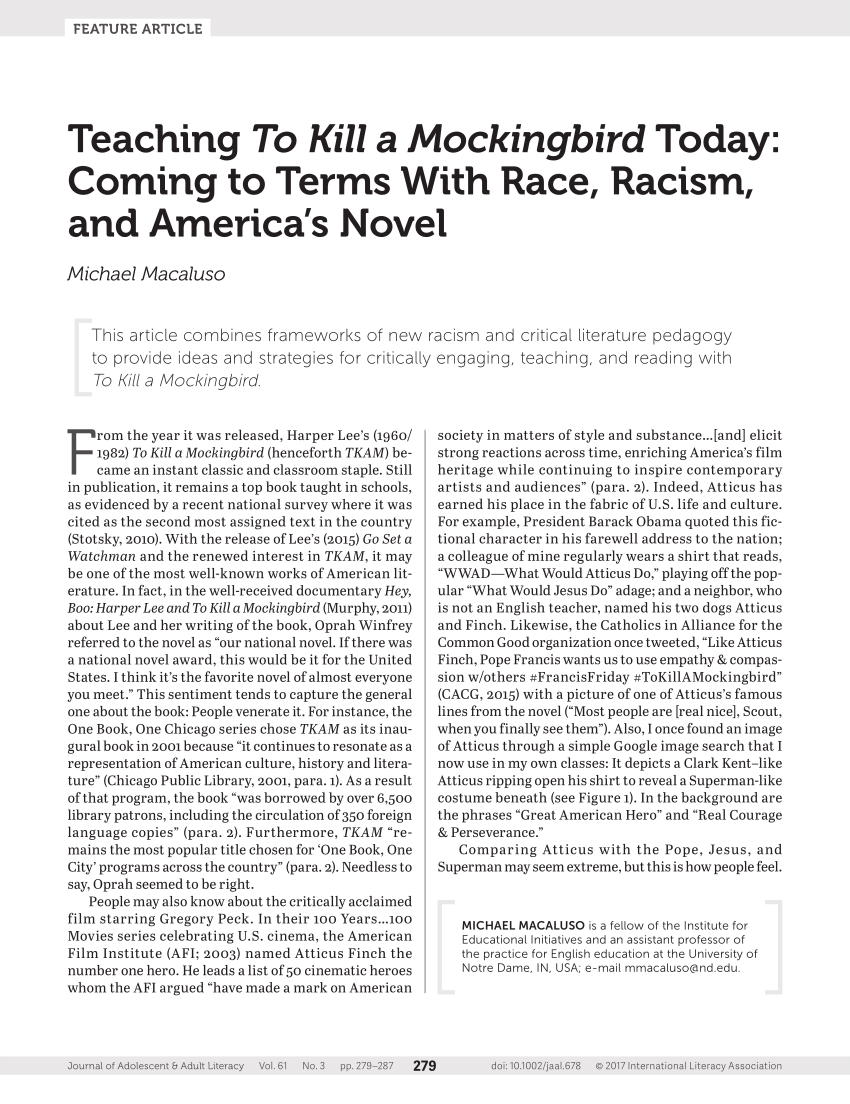
Okay, let's dive into a question that's been buzzing around book clubs and, yeah, Reddit threads for ages: Does Harper Lee's To Kill a Mockingbird actually teach racism? Woah, hold up! Before you grab your pitchforks or toss your book into the fiery abyss, let's unpack this with a bit of humor and a lot of curiosity. Ready? Let's go!
Now, I know what you might be thinking. A book celebrated for its anti-racist message actually promoting racism? Seems wild, right? The debate really boils down to how we look at the story, its characters, and the historical context it's swimming in.
The Argument: Perpetuating Stereotypes?
Some folks argue that To Kill a Mockingbird, despite its good intentions, reinforces harmful stereotypes. Think about it: Tom Robinson, the wrongly accused Black man, is portrayed as almost saintly, a victim without much agency. Is he a fully developed character, or a symbol? Hmm, food for thought.
Must Read
Then there's the perspective from some critics on Reddit. You know Reddit – where everyone has an opinion (and a GIF ready to back it up!). They point out that the story is told through the eyes of Scout, a young white girl. Does that limit the narrative? Does it center the white experience even when dealing with racial injustice? These are valid questions, my friends!
And let’s not forget the use of language in the book. Some find the racial slurs, while historically accurate, deeply problematic and potentially harmful, especially for younger readers. It's uncomfortable, for sure, but is that discomfort a necessary part of understanding the time period?

But Wait! A Defense of the Mockingbird!
Now, let's flip the script! Many argue that To Kill a Mockingbird, despite its flaws, serves as an important entry point for conversations about race. It’s often one of the first books many young people read that tackles systemic injustice, albeit through a very specific lens. Atticus Finch, the righteous lawyer, becomes a role model for doing what's right, even when it's unpopular.
Think about it: before Reddit, before Twitter, before TikTok rants, there was To Kill a Mockingbird. It sparked discussions, ignited passions, and made people think about the world around them. That's pretty powerful stuff!

And let's not dismiss the impact it had on highlighting the hypocrisy and cruelty of racial prejudice. The trial scene, with its stark portrayal of injustice, is burned into the memory of many readers. Did it solve racism? Nope. But did it make people think about it? Absolutely.
The Bigger Picture: Context is King (and Queen!)
Here's the thing, folks: no book is perfect, and To Kill a Mockingbird is no exception. It’s a product of its time, written in the 1960s about the 1930s. Understanding that context is crucial. We can't judge it solely by today's standards without acknowledging the social and cultural landscape in which it was created.

The key is to read it critically, to acknowledge its limitations, and to use it as a stepping stone to deeper and more nuanced discussions about race and social justice. Don’t just passively absorb the story; question it, challenge it, and explore its complexities!
So, Does it Teach Racism? The Verdict!
Ultimately, the answer is... it's complicated! To Kill a Mockingbird isn't a perfect tool for dismantling racism, but it can be a valuable one if used thoughtfully and critically. It can be a conversation starter, a window into a different time, and a reminder of the importance of empathy and justice. Just don't let it be the only book you read on the subject!
Instead of simply declaring it "good" or "bad," let's embrace the debate! Let's use it as a launching pad for exploring diverse voices, perspectives, and experiences. Because honestly, isn’t learning about different cultures and viewpoints what makes life interesting?
Think of it this way: understanding the nuances of this debate, dissecting the arguments, and forming your own informed opinion? That's like leveling up in the game of life! You're becoming a more critical thinker, a more engaged citizen, and a more empathetic human being. And who wouldn't want that?
So, go forth and explore! Read more books, join discussions, and challenge your own assumptions. The world is full of amazing stories and perspectives waiting to be discovered. And remember, the more we learn, the more fun life becomes. Now go forth and be awesome!