
Does Tea Tree Oil Help With Nose Keloids

Okay, let's talk about something a little… specific. Nose keloids. Yep, those stubborn, sometimes unsightly, bumps that can pop up after a piercing or even just a minor injury on your nose. They're like the unwanted guests at a party – they just won't leave! And, of course, we're all looking for a way to politely, but firmly, show them the door. Enter: tea tree oil.
Now, before we dive in, let's be clear: I'm not a doctor. I'm just like you – someone who's probably Googled a weird skin issue at 3 AM while slathering on every cream I could find. So, consider this a friendly chat about tea tree oil and whether it might be helpful for those pesky nose keloids. Think of it as swapping skincare secrets over a cup of (you guessed it!) tea.
What's the Deal with Tea Tree Oil Anyway?
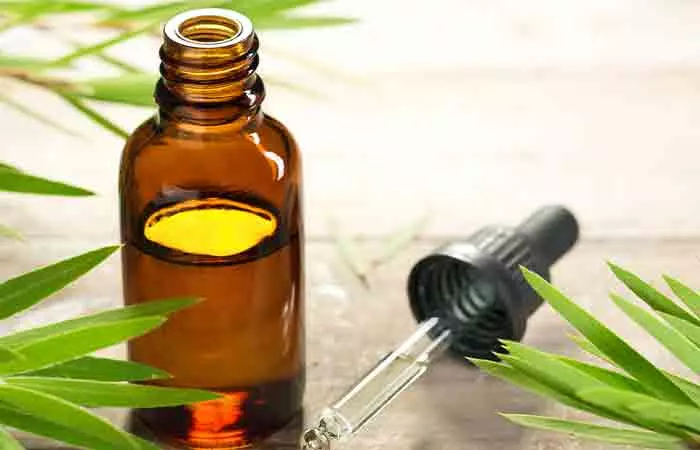
Tea tree oil, or Melaleuca alternifolia oil if you want to get all science-y, is an essential oil that comes from the leaves of the tea tree. It’s been used for centuries, particularly by Indigenous Australians, for its medicinal properties. Think of it as nature's little first-aid kit in a bottle.
Must Read
It’s known for its antiseptic, anti-inflammatory, and antifungal properties. Basically, it's a bit of a multi-tasker. You might have heard of it being used for acne, athlete's foot, and even dandruff. But keloids? That's where things get a little more complicated.
Keloids: The Uninvited Guests
Keloids are basically an overgrowth of scar tissue. When your skin is injured, your body tries to heal itself by forming collagen. Sometimes, it goes a little overboard, and you end up with a raised, thick scar that’s bigger than the original wound. And unlike normal scars, keloids can keep growing.
Imagine you're knitting a sweater, and instead of neatly following the pattern, you accidentally add a huge, lumpy knot right in the middle. That's kind of what a keloid is like. It's just your body getting a little too enthusiastic about healing.
So, Can Tea Tree Oil Help? The Million-Dollar Question
Here's the thing: There's not a ton of scientific research specifically on tea tree oil and keloids. Most of the information we have is based on anecdotal evidence, meaning people sharing their personal experiences. Think of it as old wives' tales…but maybe with a tiny bit of truth to them.

The theory is that tea tree oil's anti-inflammatory properties might help reduce some of the redness and swelling associated with keloids. And its antiseptic properties could help prevent infection, which is always a good thing, especially if the keloid is near a piercing.
However, it's important to remember that tea tree oil won't magically make a keloid disappear. It's not a magic eraser for scars. Think of it more as a supporting player, maybe helping to soothe the area and potentially reduce some of the discomfort.

How to Use Tea Tree Oil (If You're Going to Try It)
If you're thinking of giving tea tree oil a shot, here are a few things to keep in mind:
- Dilute, Dilute, Dilute: Tea tree oil is potent stuff. Never apply it directly to your skin undiluted. Mix a few drops of tea tree oil with a carrier oil like coconut oil, jojoba oil, or even olive oil. A good ratio is usually 1-2 drops of tea tree oil per teaspoon of carrier oil.
- Patch Test: Before applying the diluted oil to your keloid, do a patch test on a small area of your skin to make sure you're not allergic. Nobody wants a new skin problem on top of an existing one!
- Apply Gently: Use a clean cotton swab to apply the diluted tea tree oil to the keloid. Don't rub too hard.
- Consistency is Key: If you're going to try it, be consistent. Apply it a couple of times a day. But remember, patience is a virtue. You probably won't see results overnight.
- Talk to Your Doctor: This is the most important point. Before trying any home remedy, especially on a sensitive area like your nose, talk to your doctor or a dermatologist. They can give you personalized advice and rule out any other underlying issues.
Think of it like baking a cake. You can't just throw all the ingredients in and hope for the best. You need a recipe, and you need to follow the instructions carefully.

The Bottom Line: Is It Worth a Shot?
Tea tree oil might offer some relief for nose keloids by reducing inflammation and preventing infection. However, it's not a guaranteed cure, and it's essential to use it safely and with caution.
Ultimately, the best approach is to talk to your doctor. They can recommend the most effective treatment options for your specific situation. These might include steroid injections, laser therapy, or even surgery. These are proven methods, whilst the use of tea tree oil, at best, may only provide limited relief.
So, while tea tree oil might be a helpful addition to your skincare arsenal, it's not a replacement for professional medical advice. Think of it as one tool in your toolbox, not the entire toolbox itself. And remember, self-care is important, but so is taking care of yourself the right way. Stay informed, stay safe, and good luck!