Does Nerve Pain After Surgery Go Away

Hey there, friend! Let's talk about something nobody really wants to discuss: nerve pain after surgery. Because, let's be honest, surgery is already enough of a party without adding throbbing, zinging, or that delightful "pins and needles" sensation to the mix. The good news is, for many people, it does eventually go away. But the path can be a bit... well, winding. Like trying to assemble IKEA furniture without the instructions.
So, What's the Deal with Nerve Pain?
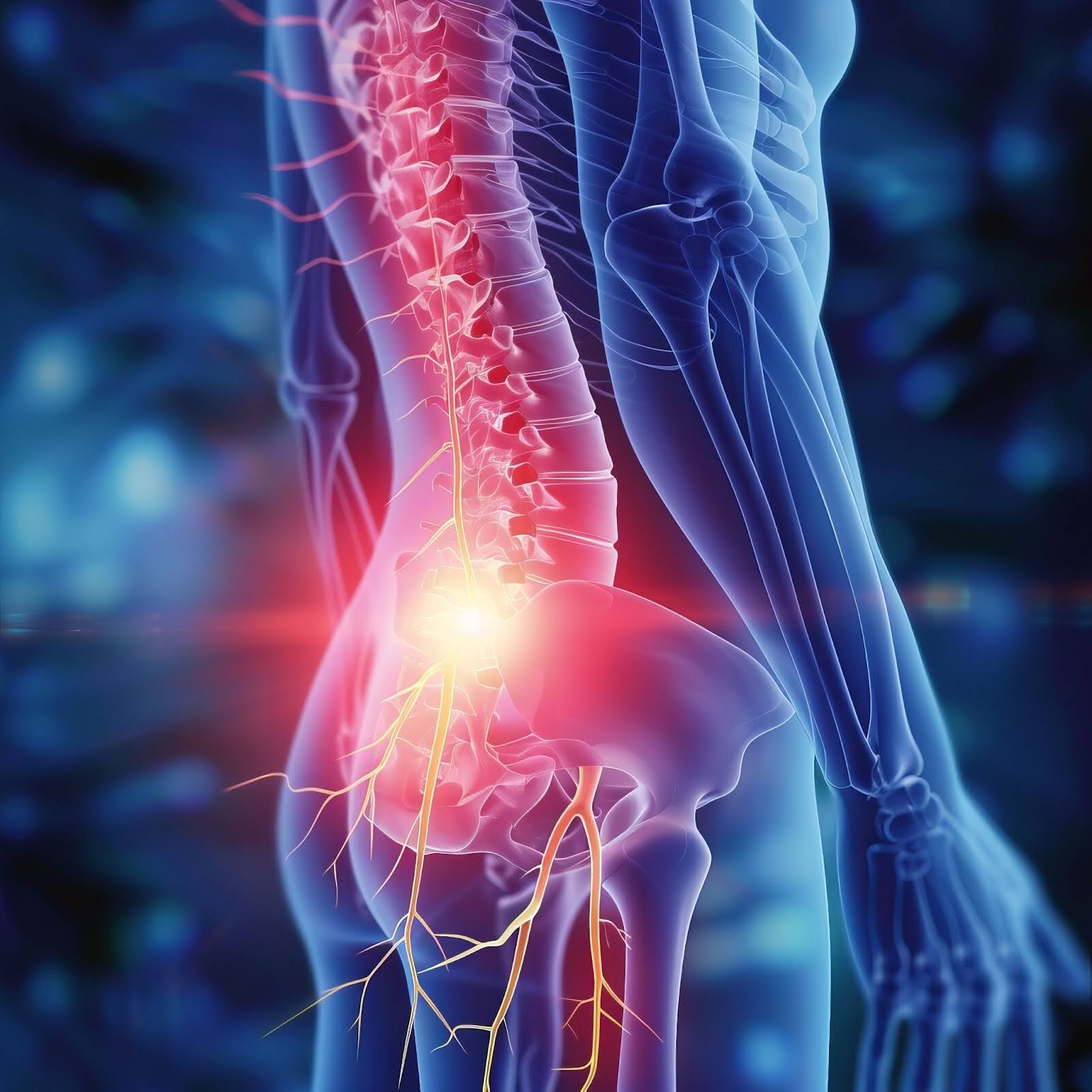
Okay, picture this: during surgery, even with the most skilled surgeons (who are basically artistic ninjas with scalpels), nerves can get a little… grumpy. They might be stretched, compressed, or even slightly damaged. It's kinda like if you accidentally stepped on your cat's tail. The cat's gonna let you know they're not thrilled, right? That's your nerves talking. This irritation can lead to post-operative nerve pain, often called neuropathic pain.
Think of your nerves as tiny little communication lines. After surgery, those lines might be a bit fuzzy, sending scrambled messages to your brain. These scrambled messages translate into sensations like burning, shooting pain, numbness, or tingling. Basically, all the "fun" stuff.
Must Read
Will It Really Go Away?
Here's the million-dollar question! And unfortunately, there's no one-size-fits-all answer. For many people, the nerve pain does subside over time. Your body is pretty amazing at healing! Think of it like a garden: with proper care, things will eventually bloom. Your body needs time to repair those nerve pathways.
Typically, you'll see improvement within a few weeks or months. But, and this is a big but (no pun intended!), for some folks, the pain can linger for longer, becoming chronic. This is why it's super important to have a good relationship with your medical team. They can help manage your pain and find strategies that work for you.

Factors That Affect Nerve Pain
Several things can influence how long your nerve pain sticks around. Here are a few of the usual suspects:
- Type of Surgery: Some surgeries are just more likely to irritate nerves than others. It's like some board games are destined to cause family arguments.
- Pre-existing Conditions: If you already have conditions like diabetes or other nerve issues, you might be more prone to lingering pain.
- Overall Health: Your general health and well-being play a HUGE role in how well your body heals. Eat your veggies, kids!
- Age: Let's face it, as we get older, things just take a little longer to bounce back. Kinda like trying to remember where you put your keys.
- Smoking: Just another reason to quit (or never start)! Smoking can hinder healing.
What Can You Do About It?
Okay, so you've got nerve pain. What's next? Don't despair! There are plenty of things you and your doctor can do to manage the discomfort and help speed up healing:
- Medications: Pain relievers (both over-the-counter and prescription), nerve pain medications, and even antidepressants can help. Don't be afraid to talk to your doctor about your options.
- Physical Therapy: Gentle exercises and stretches can help improve blood flow and nerve function.
- Alternative Therapies: Acupuncture, massage, and even mindfulness techniques can provide relief for some people.
- Lifestyle Changes: Eating a healthy diet, getting enough sleep, and managing stress can all help. Easier said than done, right? But seriously, they can make a difference.
Listen to your body! Don't push yourself too hard. It's okay to take it easy and let yourself heal.
The Takeaway: There's Hope!
Look, dealing with nerve pain after surgery can be frustrating and, well, downright painful. But remember, you're not alone, and there's hope for improvement. Work closely with your medical team, be patient with your body, and don't be afraid to explore different treatment options. Most importantly, maintain a positive attitude. It might sound cheesy, but a positive outlook can actually help your body heal. Think of it like this: you’re sending your nerves a little pep talk, telling them, "Hey, we got this! Let's get back to normal!"
And who knows, maybe after all this, you'll have a newfound appreciation for what it means to not have nerve pain. Kind of like how you don't appreciate a good night's sleep until you've had a screaming toddler wake you up every hour. So chin up, friend! You've got this. You’re tougher than you think!