Picture this: Your delightful Aunt Mildred, who still insists on baking her famous lemon poppy seed muffins every Sunday, lives independently. She’s spry, she’s sharp, but let’s face it, she’s not getting any younger. And sometimes, you find yourself picturing a dreaded scenario: a slip, a fall, and that iconic phrase, "I've fallen and I can't get up!" You want her safe, you want her connected, and that’s where those wonderful inventions called Medical Alert Systems come into play.
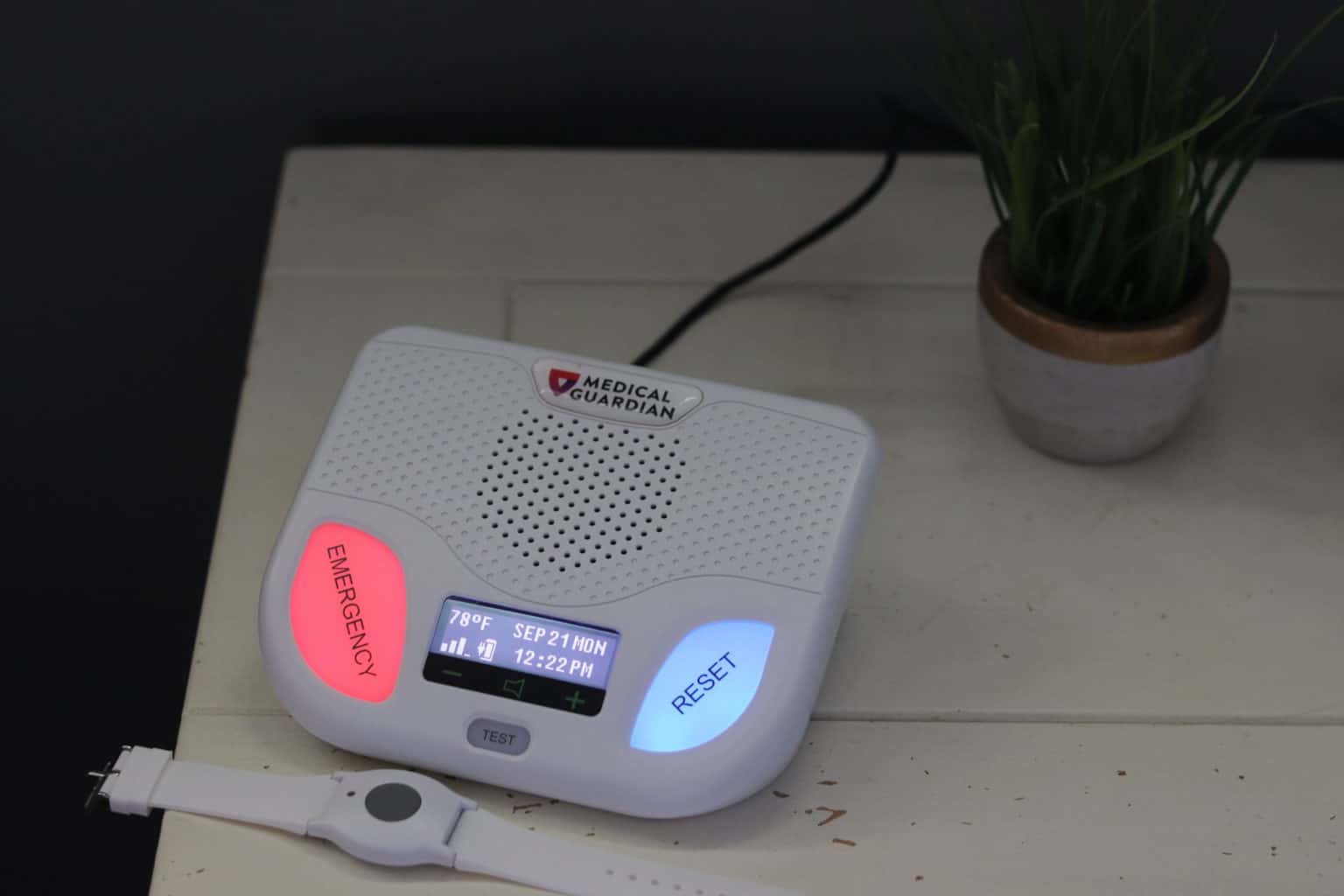
These handy gadgets, often a pendant or a bracelet with a simple button, promise immediate help. They're like having a guardian angel on speed dial, ready to summon assistance with just a press. For many families, they offer a huge wave of peace of mind. So, naturally, the million-dollar question pops up: Does Medicare, that trusted safety net for our seniors, step in to cover the cost of these lifelines?
The Surprising "Nope!" (Mostly)
Here’s where it gets a little quirky, and perhaps a touch surprising. For most of the classic, standalone Medical Alert Systems, the answer from traditional Medicare (Parts A and B) is a resounding, well, not exactly "yes." In fact, it’s usually a gentle but firm "no." It feels a bit like finding out your favorite dessert isn't on the menu at a fancy restaurant. You’re left thinking, "But why not? It seems so obvious!"
The reasoning, in a nutshell, is that traditional Medicare focuses on things considered "medically necessary" treatment, like doctor visits, hospital stays, and certain durable medical equipment. A Medical Alert System, while incredibly beneficial for safety and preventing future issues, doesn't quite fit into the "treatment" box in the eyes of original Medicare. It’s more about prevention and rapid response than a cure for an existing condition. It’s a subtle distinction, but an important one in the world of health coverage.
Where the Plot Thickens: The Advantage Play
Now, don't despair! This is where the story gets a little more interesting and opens up some heartwarming possibilities. While original Medicare might not lend a hand, there’s a different player on the field: Medicare Advantage Plans (also known as Part C). These plans are offered by private insurance companies approved by Medicare, and they often include extra benefits that original Medicare doesn't. Think of them as the custom-tailored suits of health coverage.
Does The VA Pay For Medical Alert Systems?
Many Medicare Advantage Plans are increasingly recognizing the incredible value of these alert systems. They understand that helping Aunt Mildred avoid a serious fall, or getting her immediate help if she does, can actually prevent more costly medical emergencies down the line. So, it’s not uncommon to find that some Medicare Advantage Plans offer partial or even full coverage for Medical Alert Systems as part of their supplemental benefits. It’s a beautiful example of common sense winning out, and a true testament to how insurance plans are evolving to meet the real-world needs of seniors.
Imagine finding out your plan covers that little pendant! It’s like discovering an extra lemon poppy seed muffin tucked away in the baker's box – a delightful surprise!
Are Medical Alert Systems Covered Under Medicare? - SeniorSafetyReviews.com
Beyond Medicare: Community Spirit and Resourcefulness
But what if Aunt Mildred isn't on a Medicare Advantage Plan that covers it? Does she just go without? Absolutely not! This is where the human spirit, ingenuity, and community truly shine. Many families simply opt for private pay, recognizing that the cost of a system (often less than a daily cup of fancy coffee) is a small price for immense peace of mind. Knowing that help is just a button away is priceless, especially when you think about the potential costs of a prolonged hospital stay or rehabilitation after a fall.
Furthermore, local Area Agencies on Aging, senior centers, and various non-profit organizations often have programs or can point you toward resources that help seniors acquire these systems at reduced costs, or even free. Sometimes, state-specific programs lend a hand too. It’s a wonderful reminder that when one door closes (traditional Medicare coverage), many other windows of opportunity and support often open.
The True Value: More Than Just Dollars and Cents
Ultimately, while the question of Medicare coverage for Medical Alert Systems might start with a surprising "no" from one corner, it quickly expands into a story of evolving benefits, resourceful families, and dedicated communities. The true value of these systems isn't just measured in dollars and cents, but in the profound sense of security they bring. They allow seniors to maintain their independence, families to worry less, and Aunt Mildred to keep baking those delicious lemon poppy seed muffins knowing that should she ever need it, help is literally at her fingertips. And that, in itself, is a truly heartwarming thought.