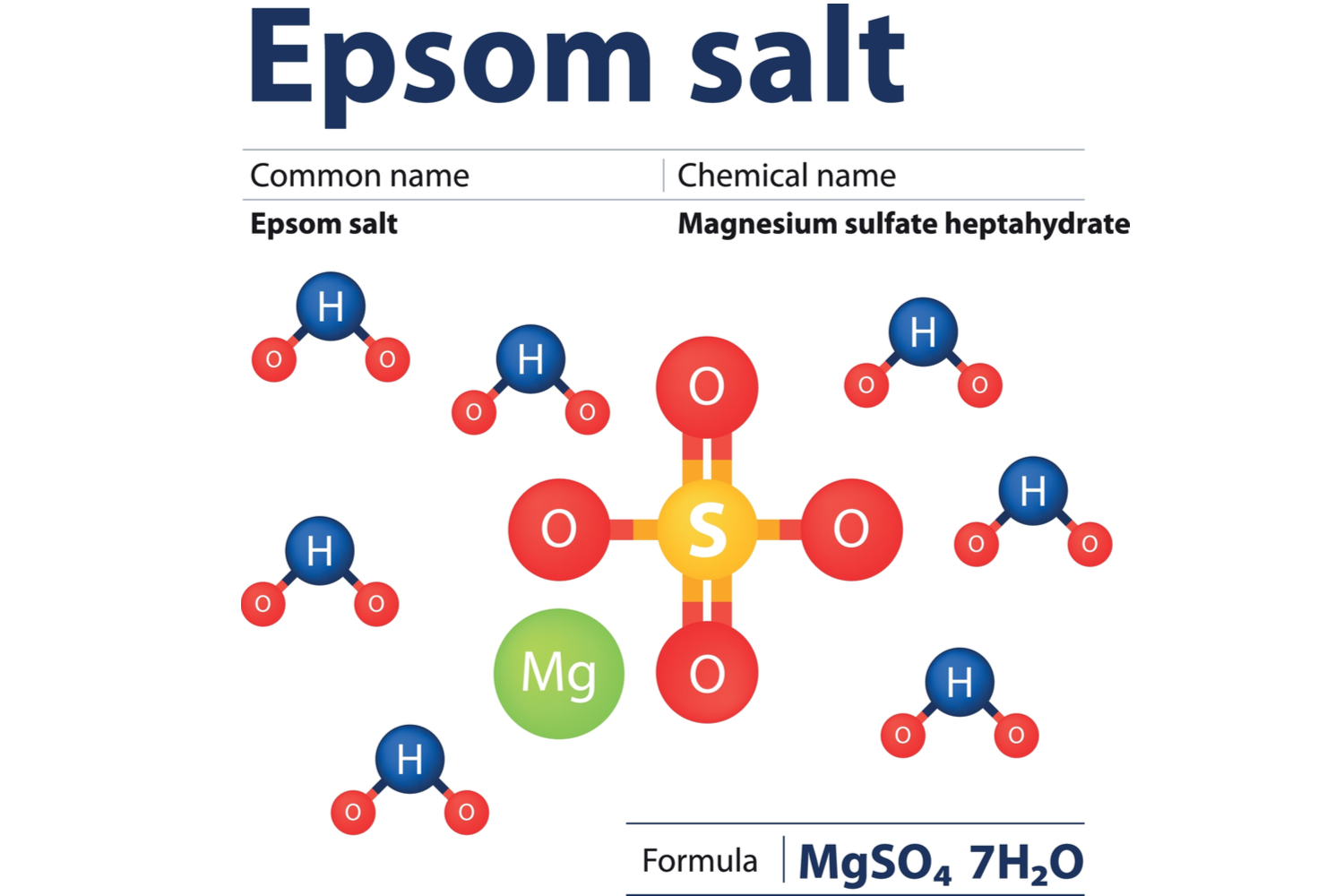
Does Epsom Salt Dissolve In Water
Okay, so picture this: I’m attempting to become a Pinterest-worthy plant parent (a noble goal, I think). I’m reading online that my sad-looking fern could benefit from an Epsom salt bath. Sounds legit, right? So, I grab a bag from the drugstore, ready to work my magic. But then… I’m staring at this pile of crystals, and a truly profound question pops into my head: Does Epsom salt even dissolve in water?
I mean, you assume it does, don't you? But assumptions… well, you know what they say about assumptions.
That little moment of plant-induced existential crisis led me down a bit of a rabbit hole. And that rabbit hole? It’s all about solubility. Specifically, the solubility of Epsom salt (aka magnesium sulfate) in H2O. Buckle up, buttercups, because we're about to get a little science-y (but in a fun way, I promise!).
Must Read
The Short Answer (For the Impatient Plant Parents)
Yes, Epsom salt absolutely dissolves in water. Phew! My fern is safe (for now).
But if you’re like me, and a simple "yes" isn’t enough, let's dig into the why and how. Because, you know, knowledge is power...and maybe it'll help my fern even more!
The Long (But Still Relatively Painless) Answer
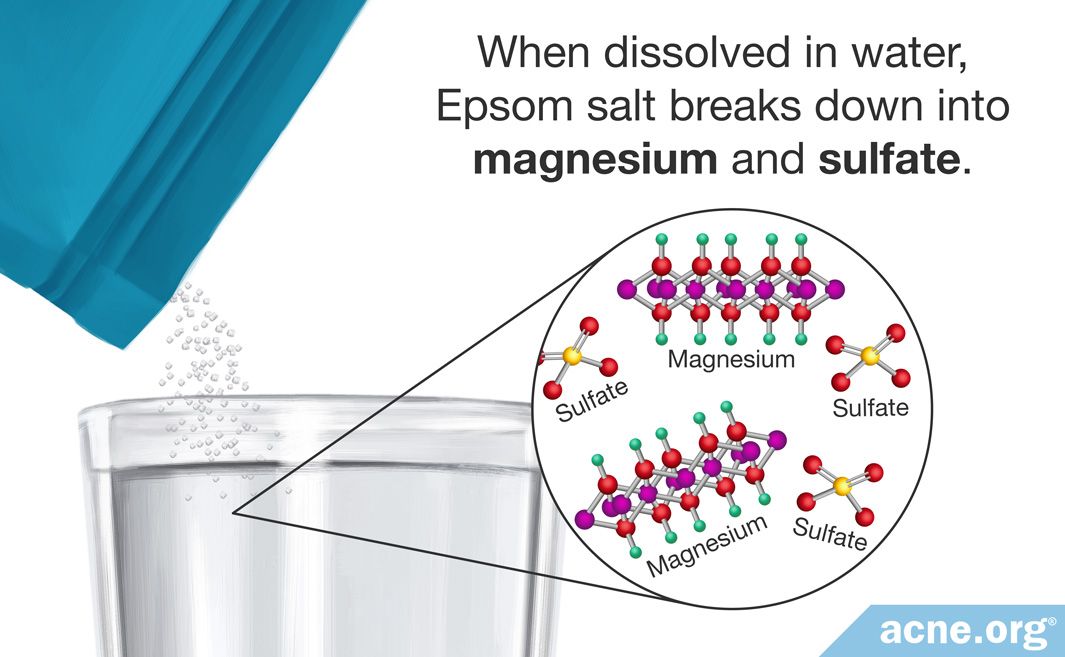
Okay, so why does Epsom salt dissolve? It’s all about those lovely little water molecules. Water is a polar molecule, meaning it has a slightly positive end and a slightly negative end. Magnesium sulfate is an ionic compound. Its ions are attracted to the opposite charges of water.
When you put Epsom salt in water, the water molecules surround the magnesium (Mg2+) and sulfate (SO42-) ions. This interaction, known as hydration, weakens the ionic bonds holding the salt together. The water molecules eventually pull the ions apart and disperse them throughout the water. And poof, it dissolves!

Think of it like a tiny, microscopic tug-of-war where the water molecules are super strong and persistent. They eventually win and break the salt apart.
Factors Affecting Dissolving Speed
Now, just because it does dissolve doesn't mean it does so instantaneously. A few things can influence how quickly Epsom salt dissolves:
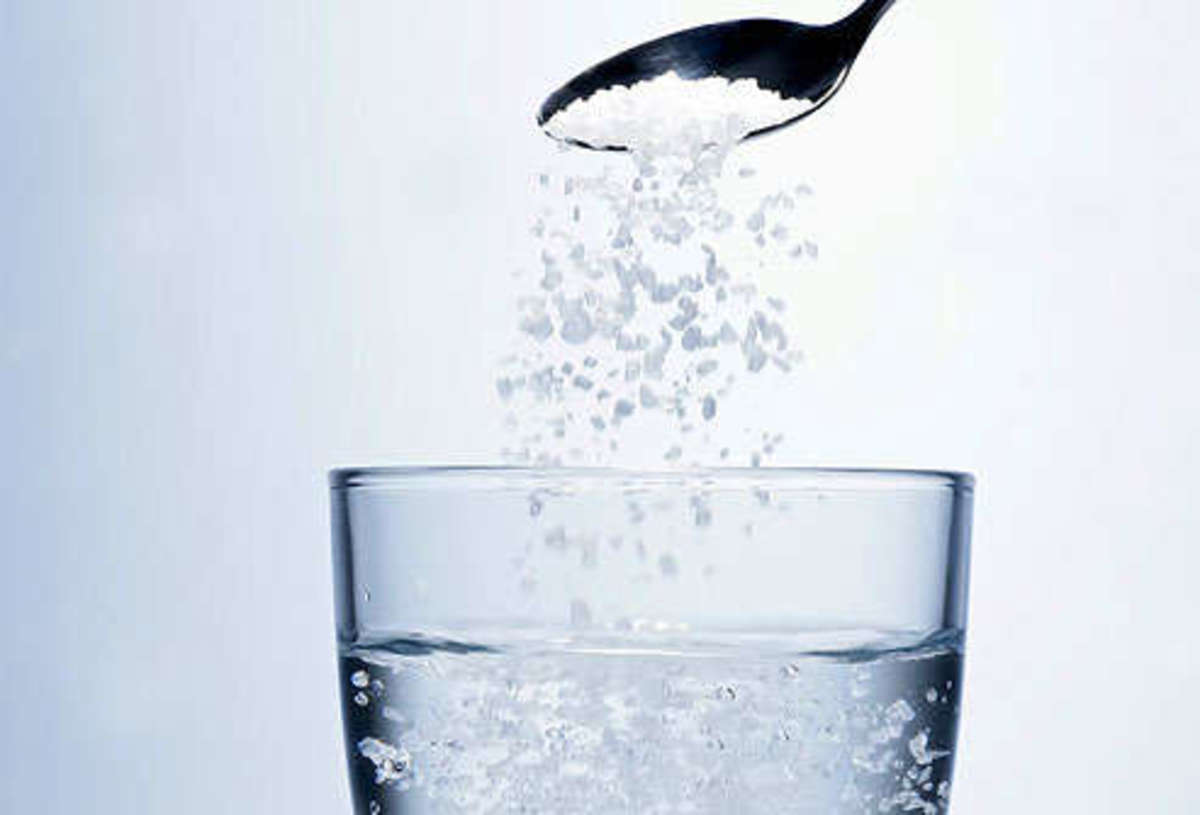
- Water Temperature: Warmer water generally helps Epsom salt dissolve faster. The warmer the water, the more energy the water molecules have to break those ionic bonds. It's like giving them a caffeine boost for their tug-of-war!
- Stirring: Stirring helps distribute the water molecules and brings them into contact with the Epsom salt crystals more quickly. Imagine trying to dissolve sugar in your iced tea without stirring – takes forever, right? Same principle.
- Particle Size: Finer Epsom salt crystals will dissolve faster than larger crystals because there's more surface area exposed to the water.
Practical Applications (Beyond My Sad Fern)
So, you might be thinking, "Okay, that's cool, but why should I care?" Well, besides saving my fern from a potentially disastrous, undissolved Epsom salt bath, there are tons of other uses! People use it for:
- Soaking Sore Muscles: This is probably the most common use. The magnesium is thought to help relax muscles and reduce inflammation. (Disclaimer: I am not a doctor; this is not medical advice!)
- Gardening: Like my fern, other plants can benefit from Epsom salt, providing them with magnesium and sulfur.
- Exfoliating Skin: Some people use it as a gentle scrub. Be careful, though, if you have sensitive skin!
See? Knowing that Epsom salt dissolves is actually pretty darn useful! And now you know why it dissolves. You’re practically a scientist.
So, next time you're dissolving Epsom salt (whether it's for a relaxing bath or to revive a wilting plant), you can impress your friends (or at least yourself) with your newfound knowledge of ionic compounds, polar molecules, and the magic of dissolution. And remember, always double-check your assumptions...especially when they involve the well-being of your leafy green companions!