Does Carbon Monoxide Set Off Fire Alarms
Ever been jolted awake by that ear-splitting shriek? You know the one. That little plastic disc on the ceiling, sounding the alarm with all its might! It’s the universal sound of "Uh oh, something might be wrong!" We often lump all these heroic little noisemakers together, but here's a curious little secret about your home's protectors: there's a sneaky, silent danger that your trusty fire alarms actually don't sniff out.
Here's the big reveal, and it might just surprise you: Your standard issue fire alarm, the one designed to warn you about actual flames, thick, choking smoke, or a sudden burst of heat, isn't going to bat an eye (or an ear) at carbon monoxide. Nope. Zero recognition. It's like asking a fish to climb a tree – completely different skill sets for completely different dangers!
It’s an easy assumption to make, right? Both are about safety, both are alarms, both are crucial for protecting your family. But a fire alarm is on the lookout for very specific signs of a blaze. It's either scanning for the microscopic particles of smoke swirling around, or a sudden, alarming spike in heat. Think of it like a specialized guard dog trained to bark only at intruders wearing ski masks. Carbon monoxide, often shortened to CO by the experts, is a completely different kind of "intruder." It's a gas – invisible, odorless, and utterly tasteless. It drifts into your home without a single whisper, making it impossible for your nose or eyes to detect. Your standard smoke detector simply doesn't have the right "nose" for CO.
Must Read
So, if your everyday fire alarm is completely clueless about CO, who is on duty? Enter the unsung, dedicated champion: the carbon monoxide detector. This clever little gadget is specially designed with a sophisticated sensor that can detect the precise chemical signature of that particular gas. It's like having two different, highly specialized guard dogs for two very different kinds of threats. One barks loudly at anyone trying to break through the front door, while the other has an incredibly sensitive nose for a specific, dangerous scent that might already be silently seeping in from, say, a faulty furnace or a struggling water heater.
We often refer to carbon monoxide as the silent killer for a reason. You can't see it, taste it, or smell it. It's a byproduct of incomplete combustion, which means it can come from everyday appliances like your gas furnace, fireplace, clothes dryer, or even a car running in an attached garage, especially when things aren't venting properly. And without a specific CO detector standing guard, you wouldn't know it was there until its effects began to creep up on you, often mimicking flu-like symptoms. That's why having these separate, specialized guardians is so incredibly crucial for the safety of everyone under your roof – two-legged and four-legged family members alike.

Think about a familiar, albeit annoying, scenario: you’re making breakfast, your toast gets a little too dark, and suddenly your fire alarm is blaring with the intensity of a rock concert, making you leap out of your skin, fan frantically, and throw open all the windows. Annoying? Absolutely. But it’s doing its job with gusto! Now, imagine a cracked heat exchanger in your furnace silently leaking CO into your home. No drama, no loud protests from the smoke detector. Just the quiet, insidious accumulation of a dangerous gas, unless your specific CO detector pipes up with its unique, distinct warning tone, alerting you to the unseen danger.
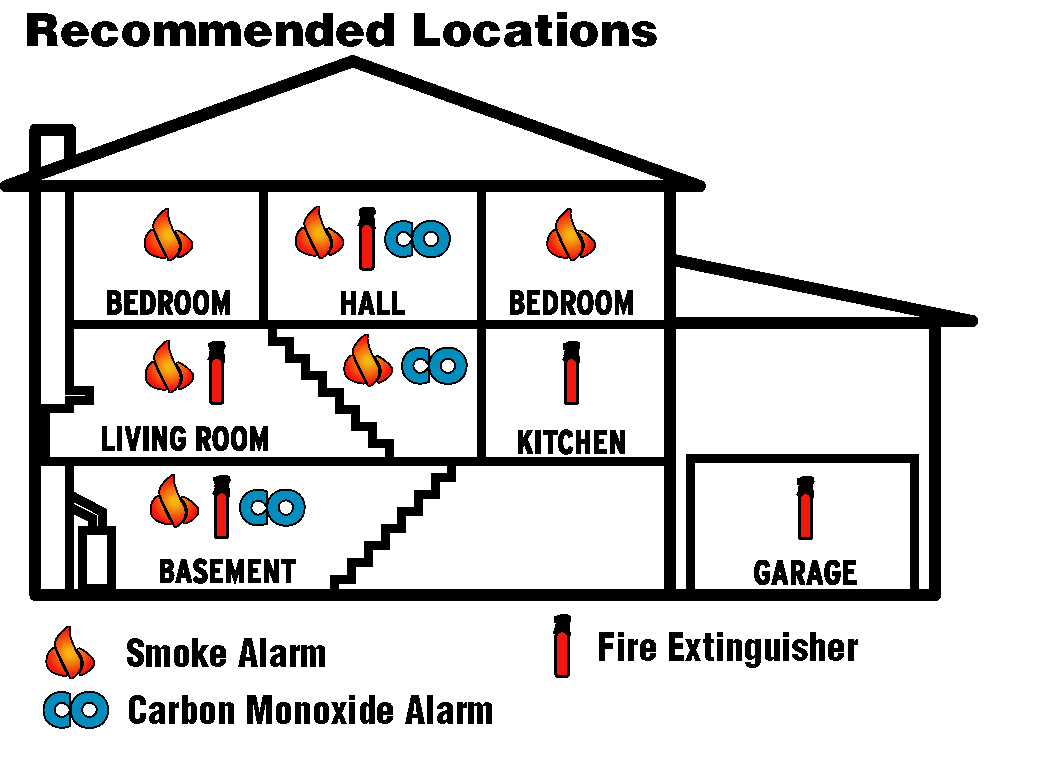
So, what’s the big takeaway from all this? Don't rely on one hero to do two very different, very important jobs. You need both! They’re a team, and together they provide comprehensive protection for your home. Make sure you have working fire alarms on every level of your home, including inside every bedroom. And just as importantly, make sure you have dedicated carbon monoxide detectors, especially near sleeping areas and wherever you have fuel-burning appliances. It's a relatively small investment for a huge amount of peace of mind.

"It's like having two different, highly specialized guard dogs for two very different kinds of threats."
And don't forget the batteries! Give them a little push on the test button every month or so. It’s like giving your silent guardians a little pat on the head and saying, "Thanks for looking out for us." It's a simple habit that ensures these vital protectors are always ready to sound the alarm when it truly matters.
So next time that familiar shrill alarm goes off, remember: it’s yelling about one specific thing. And for that other, invisible danger, you need a different, equally important voice. Two alarms, two jobs, one ultimate goal: keeping you and your family safe, sound, and breathing easy.