Does Burnt Food Have Less Calories

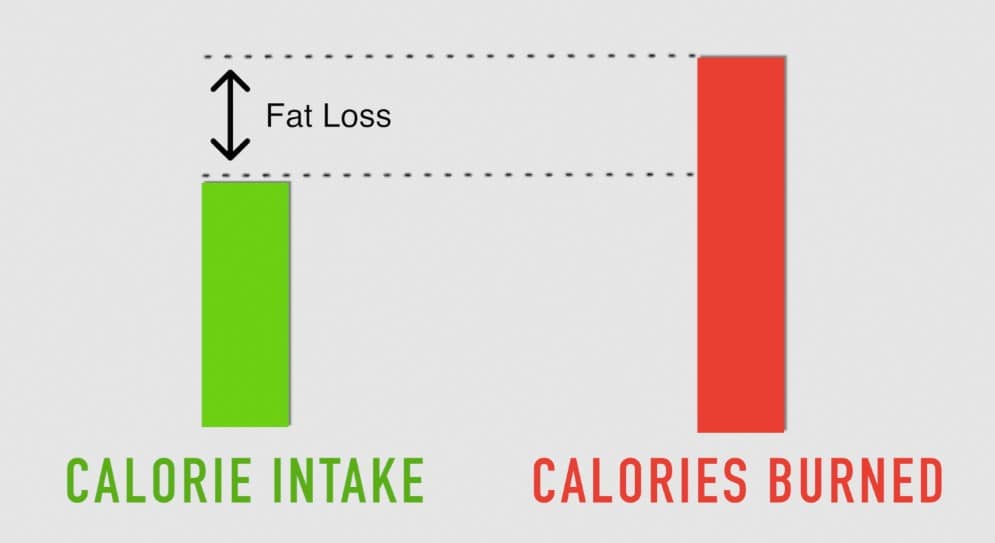
Ever accidentally left your toast in the toaster a little too long? Or maybe charred those marshmallows past the golden-brown stage? We've all been there! And a thought probably crossed your mind: "Well, at least it's got fewer calories now, right?" The idea that burnt food magically transforms into a calorie-free zone is a common one, and honestly, it's a little bit appealing. Let's dive into whether there's any truth to this notion.
So, why is this question interesting? For beginners just starting to think about nutrition, it's a good way to understand how cooking affects food. For families trying to balance healthy eating with the realities of busy weeknights, knowing if that slightly overcooked chicken is a total disaster can be helpful. And for hobbyist cooks, understanding the science behind cooking techniques is always fascinating.
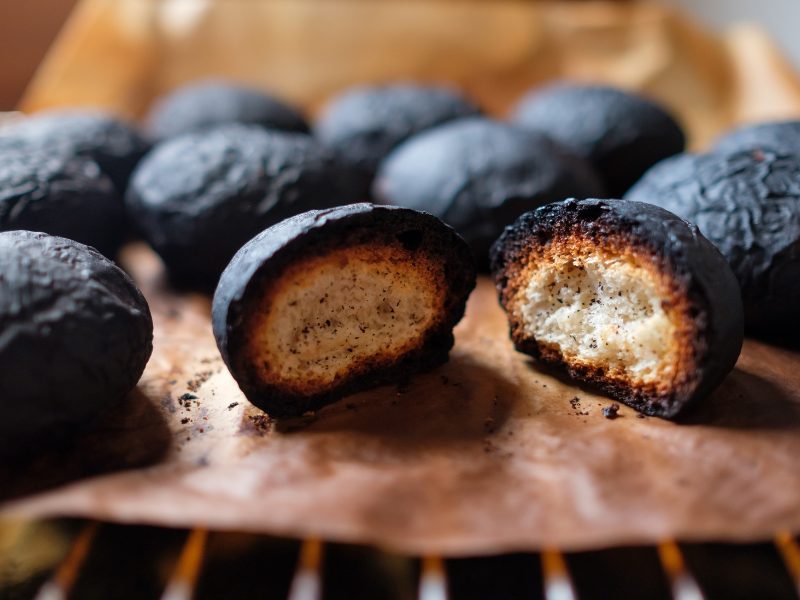
The short answer? Burnt food can have slightly fewer calories, but it's not a significant amount. When food burns, some of its organic compounds (like carbohydrates and fats) undergo a chemical reaction called oxidation. This reaction essentially breaks down these compounds and releases them as gases, mainly carbon dioxide and water vapor. Since calories are a measure of the energy content in food, theoretically, losing some of those compounds means losing some calories.
Must Read
However, the amount of calories lost through burning is usually quite small. Think about it: you're not turning a whole potato into ash! Only the outer layers are typically affected. For example, a slightly burnt piece of toast might have a negligible calorie difference compared to a perfectly toasted slice. We're talking single-digit calorie savings, if any.
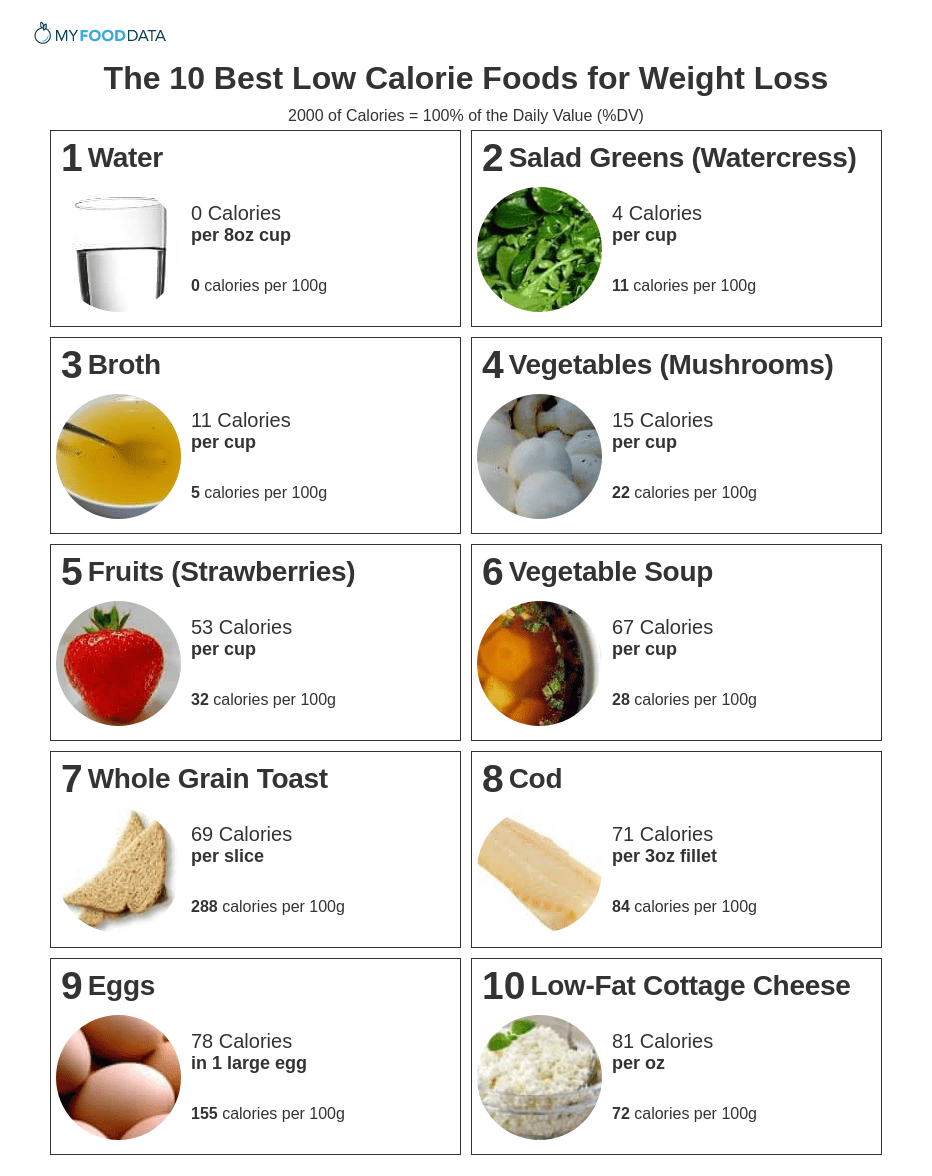
Also, burning food can create harmful compounds. Acrylamide, for instance, is a chemical formed in some starchy foods when they're cooked at high temperatures, especially if they're burnt. While research is ongoing, high levels of acrylamide are considered potentially carcinogenic. So, while a tiny calorie saving might seem tempting, the potential health risks generally outweigh the benefits.
Let's consider some examples. Imagine burning the edges of a pizza. You might lose a few calories from the charred crust, but the cheese and toppings underneath are still calorie-laden. Or think about slightly burnt grilled vegetables. The core of the vegetable remains largely unchanged in terms of calorie content. Another variation could be burnt popcorn. While the blackened kernels are definitely unpleasant, they represent a relatively small portion of the overall snack and any calorie reduction is minimal.
Practical tips for getting started and avoiding burning:
- Use a timer! It seems obvious, but it's the easiest way to prevent overcooking.
- Keep a close eye on your food, especially when cooking at high temperatures.
- Lower the heat. Sometimes, cooking slower is better than burning food quickly.
- Use proper cooking techniques. For example, stir frequently when stir-frying to prevent hot spots.
- Don't leave cooking unattended! It's the number one cause of burning.
In conclusion, while technically burnt food might have a smidge fewer calories, it's not a significant or healthy weight-loss strategy. Focus on cooking your food properly and enjoying well-prepared meals. After all, cooking and eating should be enjoyable! Ditch the desire for burnt offerings and embrace the flavorful and nutritious benefits of properly cooked meals.