Does Air Conditioning Use Electricity

Imagine a sweltering summer day, the kind where the air feels thick and even your thoughts start to melt. Then, you step inside a building, and ahhh, a wave of blissful cool washes over you. That incredible feeling, brought to you by air conditioning, often sparks a curious question for many: Does this magic machine actually use electricity to create such comfort? It might seem obvious once you think about it, but it's a really fun and important question to dig into, not just for potentially saving a few bucks, but to understand a bit more about the invisible forces that keep our modern world comfortable and productive. So, let’s pull back the curtain and explore the cool connection between AC and electricity!
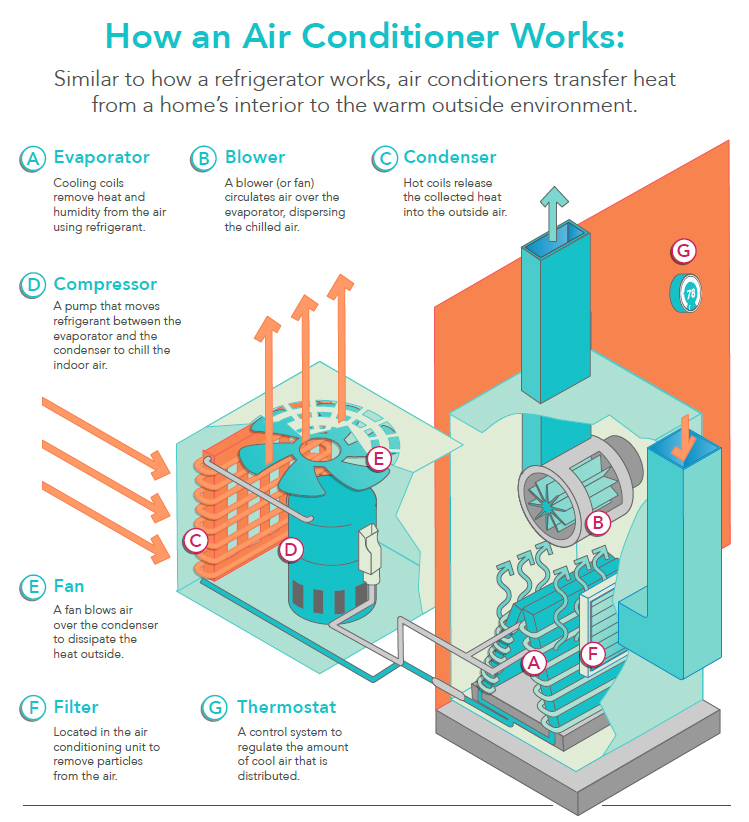
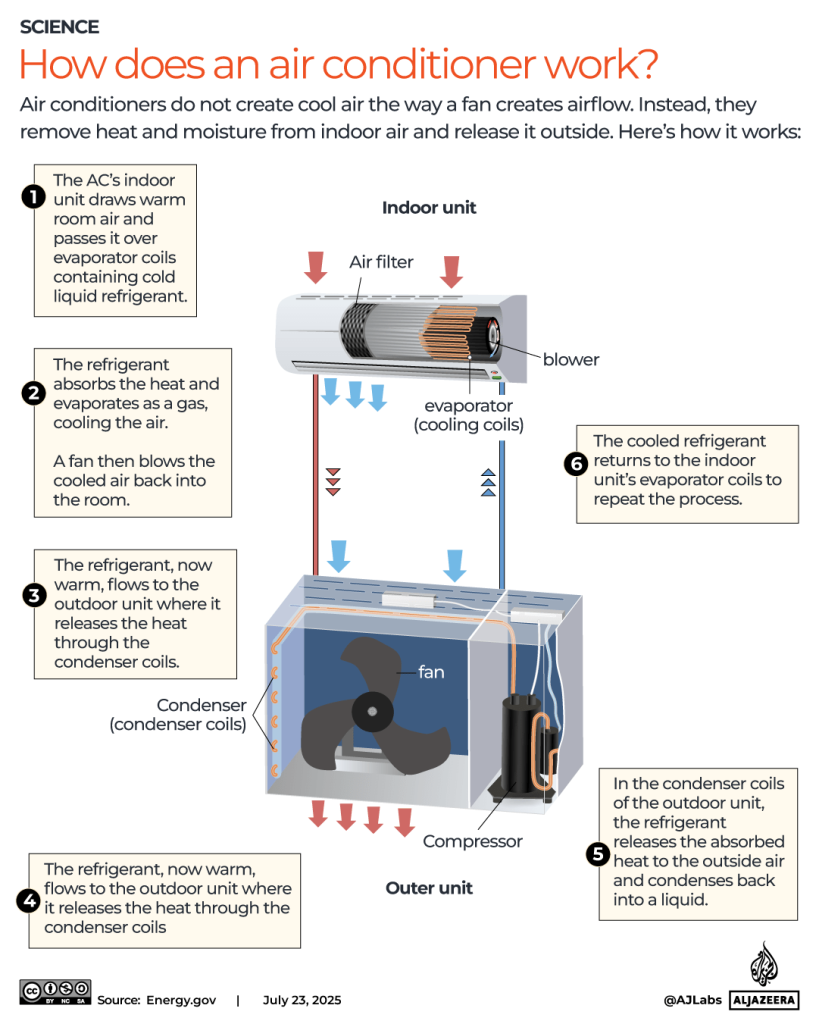
At its heart, an air conditioner isn't just blowing cold air at you; it's a clever device designed to move heat. Think of it like a tiny, tireless heat-pumping superhero, constantly working to take the warmth from inside your space and transfer it to the outside. This process not only lowers the temperature but also often reduces humidity, making the air feel even more pleasant and less clammy. The benefits are truly profound! Beyond just personal comfort, AC units are vital for our health, preventing dangerous heatstroke during extreme weather conditions and creating safe environments for vulnerable populations. They significantly boost productivity in offices and schools, help preserve sensitive items like food, medicines, and delicate artwork, and keep crucial technology (like server rooms and data centers) from overheating and crashing. It's truly a marvel of modern engineering, making previously unbearable climates livable and our daily lives significantly better.
You’d be surprised just how many places, beyond our immediate homes, truly rely on air conditioning. Of course, there are our homes, transforming stuffy rooms into cool havens, and our cars, making long road trips enjoyable even on the hottest days. But look around you! Your local grocery store relies heavily on AC to keep everything from fresh produce to frozen goods perfectly chilled, ensuring food safety and quality. Hospitals depend on robust air conditioning systems for patient comfort, crucial temperature control in operating rooms, and maintaining sterile environments. Even bustling shopping malls, movie theaters, and museums create a pleasant escape from the heat, all thanks to these powerful systems. In education, classrooms become far more conducive to learning when students aren’t distracted by sweat, and university labs often require precise temperature and humidity control for delicate scientific experiments or to protect valuable, sensitive equipment. So, whether you're relaxing at home, studying for an exam, or simply picking up groceries, AC is likely playing a crucial, often unnoticed, role in enhancing your experience.
Must Read
So, you’re curious about this electrical connection? You can actually explore it yourself with wonderfully simple observations! First, just listen. When your AC unit kicks on, especially the outdoor compressor, you’ll often hear a distinct hum or the fan starting to whir, a clear sign that power is actively flowing. Next time you're safely near an outdoor AC unit, carefully (and without touching any moving parts!) feel the air coming out of the top or side vents – you’ll notice it’s surprisingly warm. That's the heat being efficiently removed from inside your house, expelled into the outside world! Also, take a peek at your home's thermostat; you'll see it’s connected to wires, sending electrical signals to the unit, acting as the brain of the operation. For a real-world demonstration of its electrical appetite, check your electricity bill! You'll almost certainly see a noticeable bump in usage during warmer months when your AC is working hardest to keep you cool. It's a fantastic reminder that comfort, while utterly wonderful, always comes with a power requirement, making that electricity bill a tangible link. Exploring these little clues helps connect the dots between that refreshing blast of cool air and the significant amount of electricity powering it all.