Does A Cna Or Phlebotomist Make More Money
So, you're thinking about entering the healthcare field, huh? Smart move! It's a rewarding career path where you can genuinely make a difference. Maybe you've narrowed it down to two popular options: becoming a Certified Nursing Assistant (CNA) or a Phlebotomist. Both are vital roles, but the age-old question remains: which one pads the wallet a little more? Let's dive in and find out!
First, let's appreciate why both CNAs and Phlebotomists are so essential. CNAs are the heart and soul of patient care, providing direct assistance with daily living activities like bathing, dressing, and feeding. They're the comforting presence, the listening ear, and the extra set of hands that patients rely on. Think about your grandparent in a nursing home – a compassionate CNA is often their lifeline. On the other hand, Phlebotomists are the vampires (in the nicest way possible!) of the medical world. They're the experts at drawing blood for tests, transfusions, research, and donations. Without accurate blood samples, doctors couldn't diagnose illnesses or monitor treatments effectively. They ensure the lab has what it needs to do their job, which ultimately impacts patient health.
You'll find CNAs working everywhere: nursing homes, hospitals, assisted living facilities, and even in patients' homes. They're the unsung heroes who keep things running smoothly. Phlebotomists are also in hospitals and clinics, but they might also find themselves in blood donation centers, labs, or even travelling to patients' homes to draw blood. Both positions require training and certification, ensuring a standard of care and competence.
Must Read
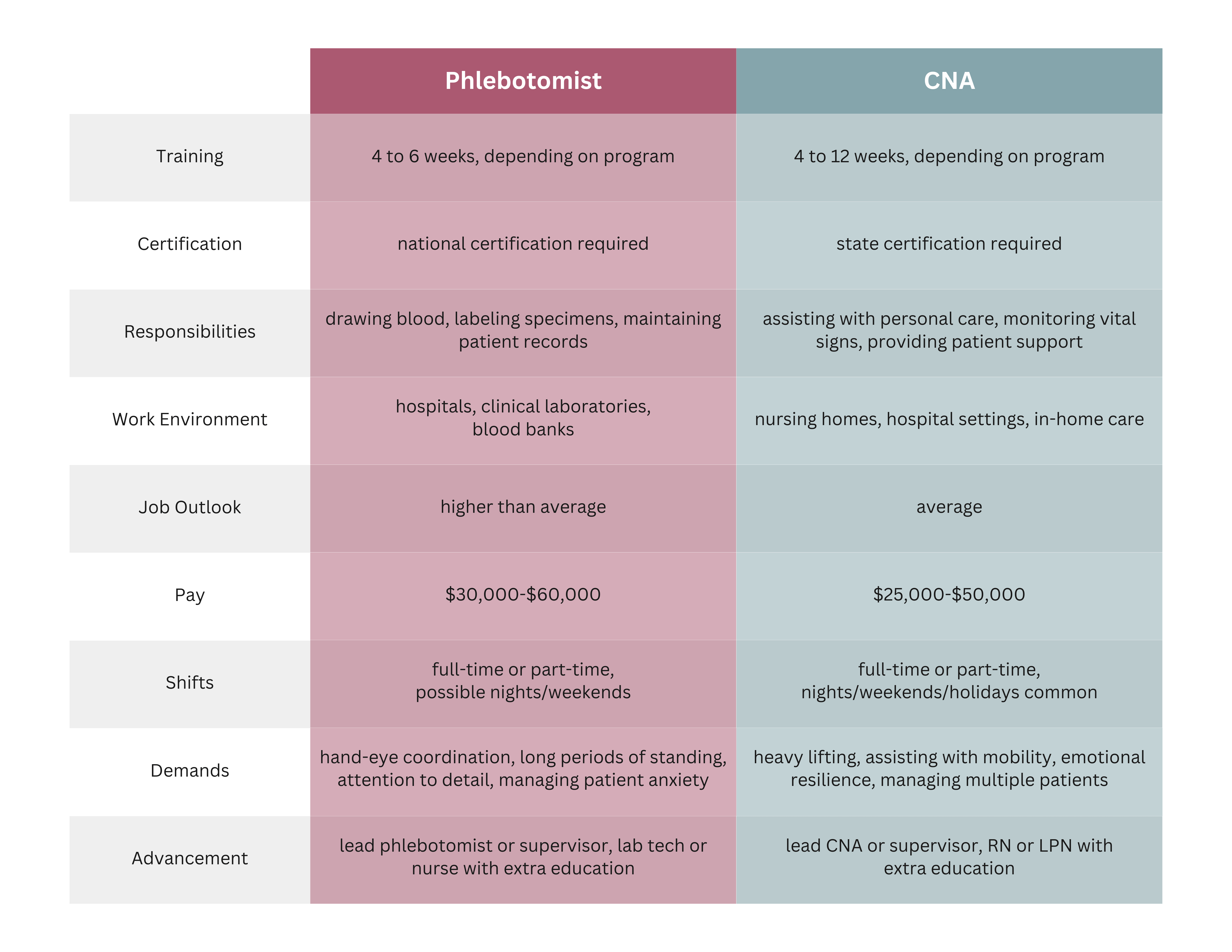
Now, for the million-dollar question (or, you know, the several-thousand-dollar question): who makes more money? Unfortunately, there's no simple answer. It depends heavily on location, experience, education, and the specific employer. However, generally speaking, entry-level pay for CNAs and Phlebotomists can be quite similar. You might see slight variations depending on the demand for each role in your area. Typically, CNA hourly wages hover around the lower end, while Phlebotomists might see a slightly higher starting rate.
But here's the kicker: opportunities for advancement. While both roles can lead to career growth, CNAs often use their experience as a stepping stone to becoming Licensed Practical Nurses (LPNs) or Registered Nurses (RNs), which dramatically increases their earning potential. Phlebotomists can specialize in areas like pediatric or geriatric phlebotomy, become a phlebotomy supervisor, or use their knowledge to move into other lab positions. The key takeaway is that continuous education and skill development are crucial for boosting your income in either field.
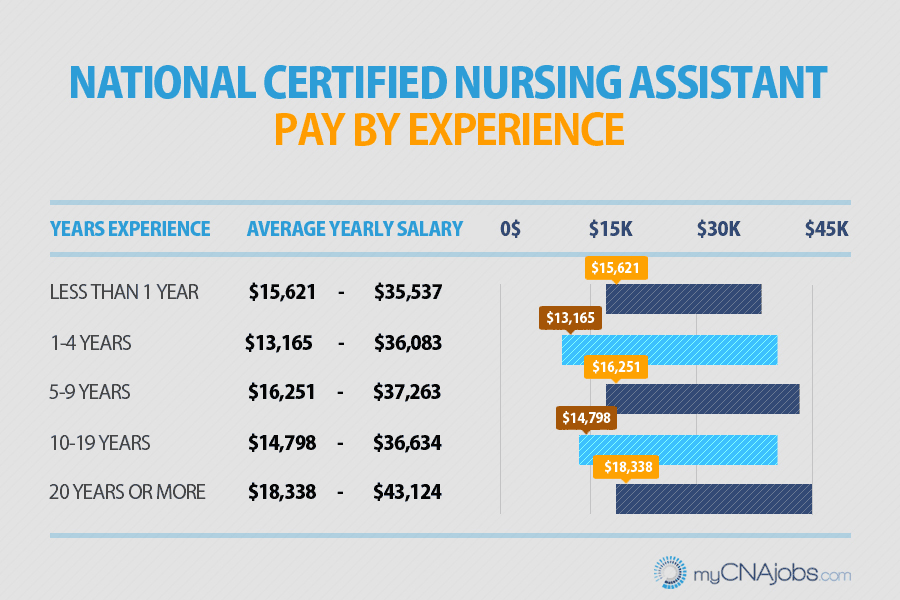
So, how do you maximize your earning potential in either role? For CNAs, consider specializing in a specific area, such as dementia care or rehabilitation. Pursue additional certifications, and gain experience. For Phlebotomists, look into advanced certifications, learn specialized techniques, and consider becoming a trainer or supervisor. In both cases, excellent communication skills and a strong work ethic are invaluable assets.
Ultimately, the "better" paying job depends on your individual goals and aspirations. Consider your passion: Do you enjoy providing hands-on care and building relationships with patients? Or are you fascinated by the science of blood and laboratory procedures? Research the job market in your area, and most importantly, choose a career that you'll find fulfilling. Because let's be honest, a happy employee is usually a more productive (and potentially better-paid) employee!