
Documents Required For Loan Against Property In India
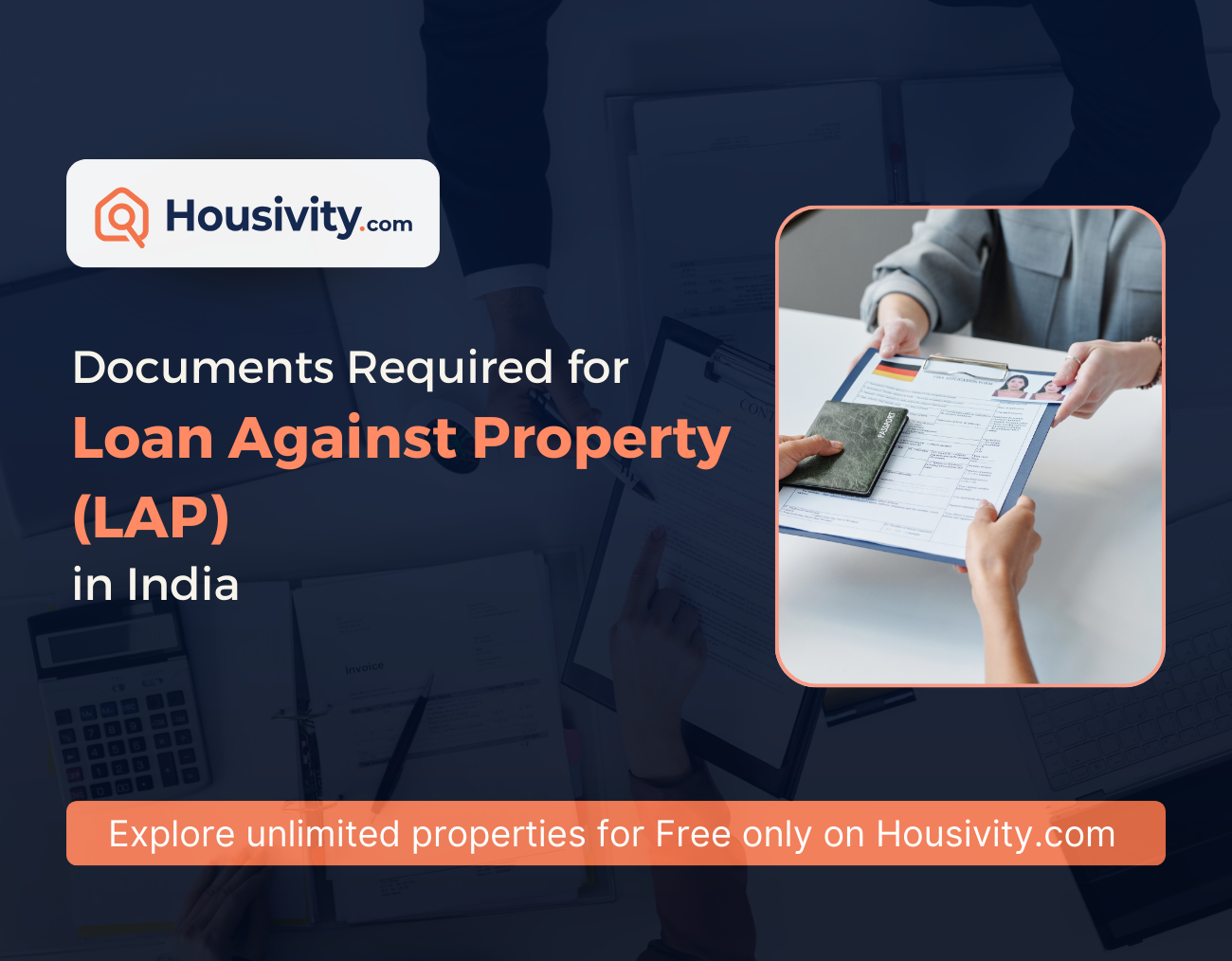
So, you're thinking about unlocking the hidden potential in your property? That's smart! A loan against property (LAP) in India is a fantastic way to access funds for various needs, from expanding your business to funding your child's education or even consolidating debt. It's like your property is a friendly giant, ready to lend a hand (or, well, some money!). But before you get too excited about your newfound financial superpower, let's talk about the fun (yes, really!) part: gathering the documents!
Think of it as a treasure hunt. Your prize? A hefty loan! Understanding which documents you need will make the whole process smoother and faster, saving you time and potential headaches. This isn't about boring paperwork; it's about being prepared and in control of your financial future.
But first, the basics. A loan against property is a secured loan where you pledge your residential or commercial property as collateral. The bank then assesses the property's value and offers a loan amount based on that. The purpose is to provide you with a significant amount of capital at a relatively lower interest rate compared to unsecured loans. The benefit? Flexibility in using the funds and potentially lower EMIs.
Must Read
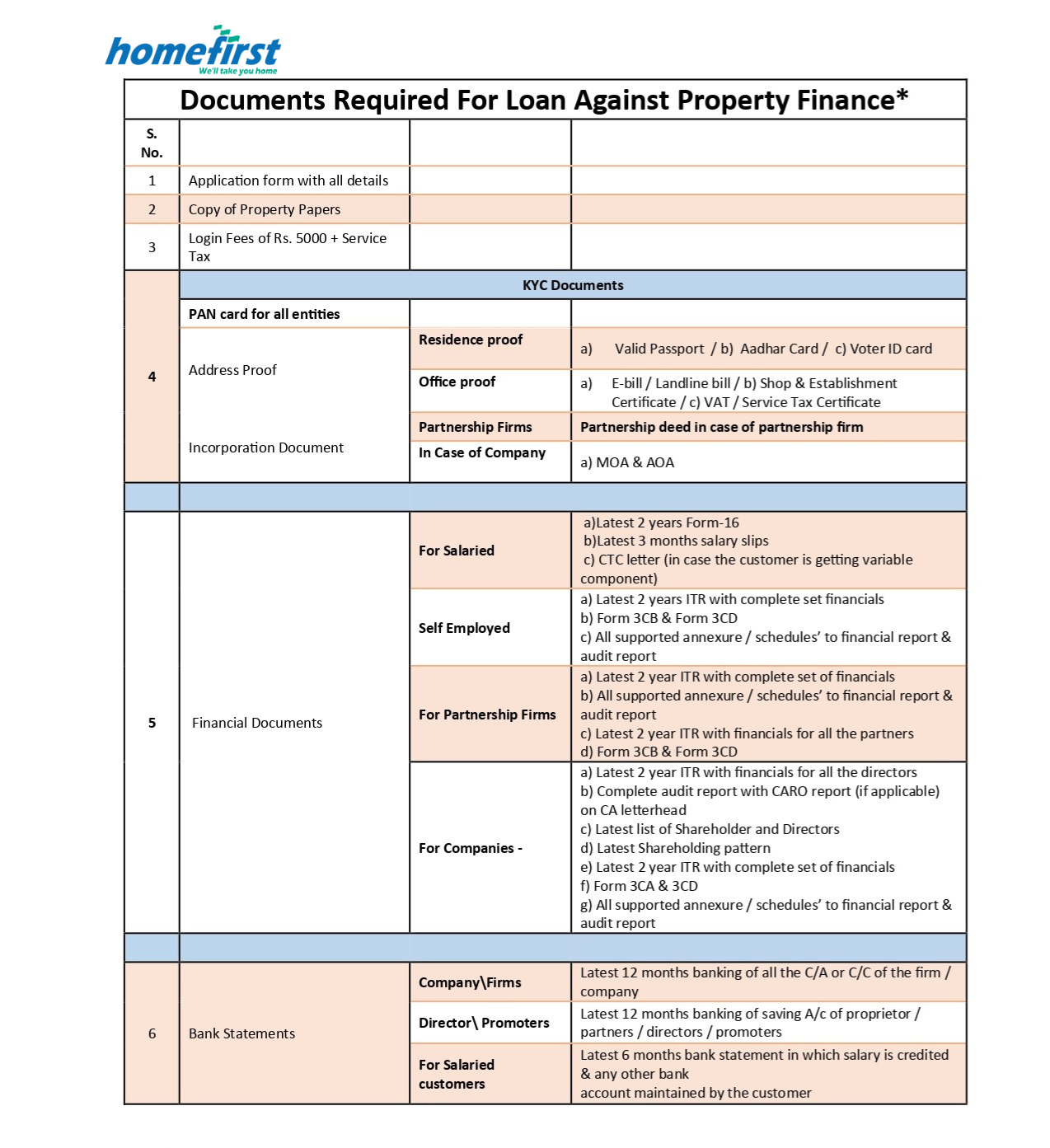
Now, for the document treasure hunt! Here's a breakdown of the typical documents you'll need:
1. KYC (Know Your Customer) Documents: These are your basic identification and address proofs. Think of it as introducing yourself to the bank. You'll need:
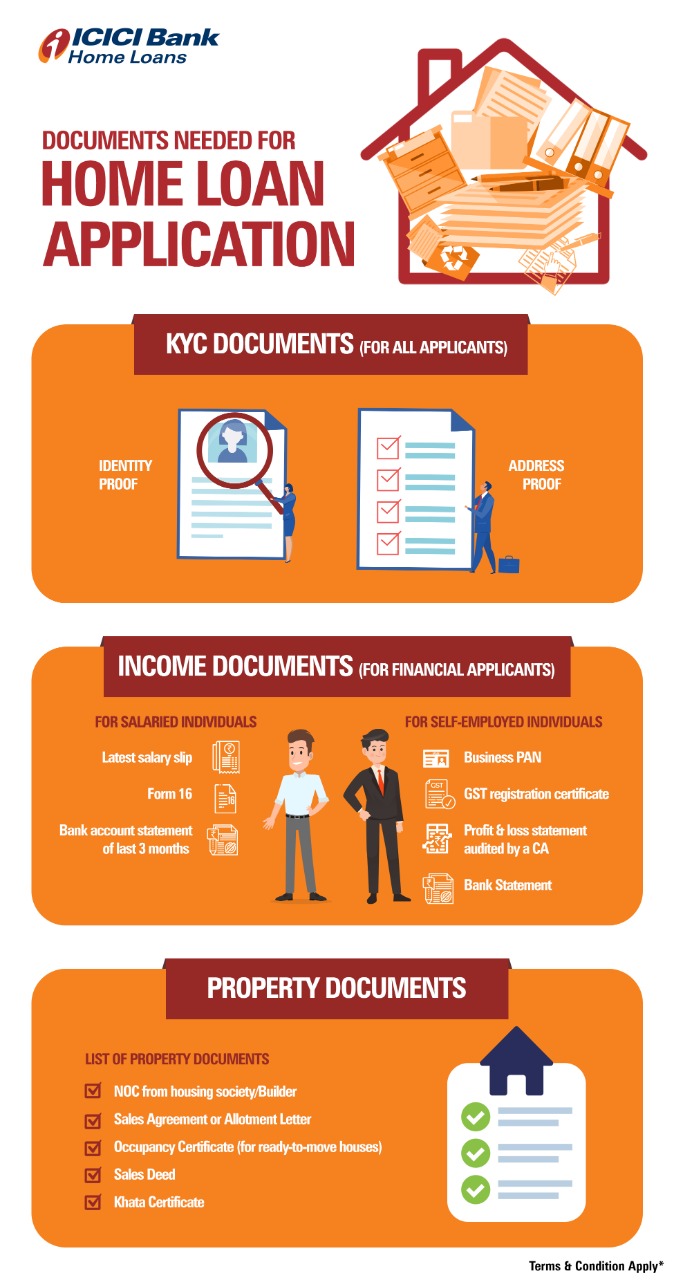
- Identity Proof: Aadhaar card, PAN card, Voter ID, Passport, Driver's License.
- Address Proof: Aadhaar card, Passport, Utility Bills (electricity, water, gas - recent ones!), Bank Statement.
2. Property Documents: This is where your property takes center stage. Showcasing its worth and legality is key. Expect to provide:
- Original Property Deed: The main document proving ownership.
- Sale Agreement: The agreement you signed when you purchased the property.
- Property Tax Receipts: Proof that you've been paying your property taxes.
- Encumbrance Certificate: This confirms that the property is free from any legal dues or mortgages (super important!).
- Approved Building Plan: Shows that your property was built according to regulations.
3. Income Documents: The bank needs to know you can repay the loan. This section depends on whether you're salaried or self-employed.
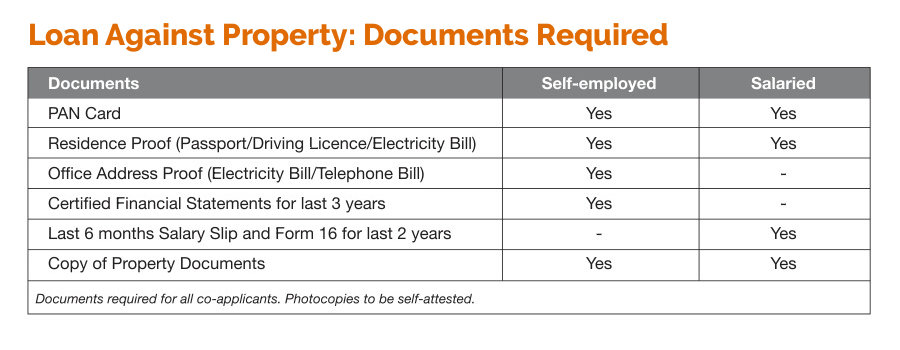
For Salaried Individuals:
- Salary Slips: For the last 3-6 months.
- Form 16: Your annual tax deduction certificate.
- Bank Statements: Showing salary credits for the last 6 months.
For Self-Employed Individuals:
- Income Tax Returns (ITR): For the last 2-3 years.
- Profit and Loss Statement and Balance Sheet: Audited by a CA, preferably.
- Bank Statements: For the last 6-12 months, showing business transactions.
- Business Registration Proof: Like your shop act license or partnership deed.
4. Other Documents (Depending on the Bank): The bank might ask for additional documents based on your specific circumstances. These could include:
- Processing Fee Cheque: To initiate the loan application.
- Any existing loan details: If you have any other loans running.
Pro Tip: Always keep photocopies of all your original documents. It's always better to be over-prepared than under-prepared. And don't hesitate to ask the bank representative if you have any questions. They are there to help you navigate the process!
So, there you have it! Gathering these documents might seem daunting, but with a little organization, it can be a smooth and successful journey to unlocking the financial potential of your property. Happy treasure hunting!
