
Do You Need A Carbon Monoxide Detector With Electric Heat

Ah, the modern home! It's a sanctuary of comfort, convenience, and sometimes, a bewildering array of safety gadgets. We've got smoke detectors screaming about burnt toast. We've got radon detectors, carbon monoxide detectors, and probably a few things that just blink mysteriously.
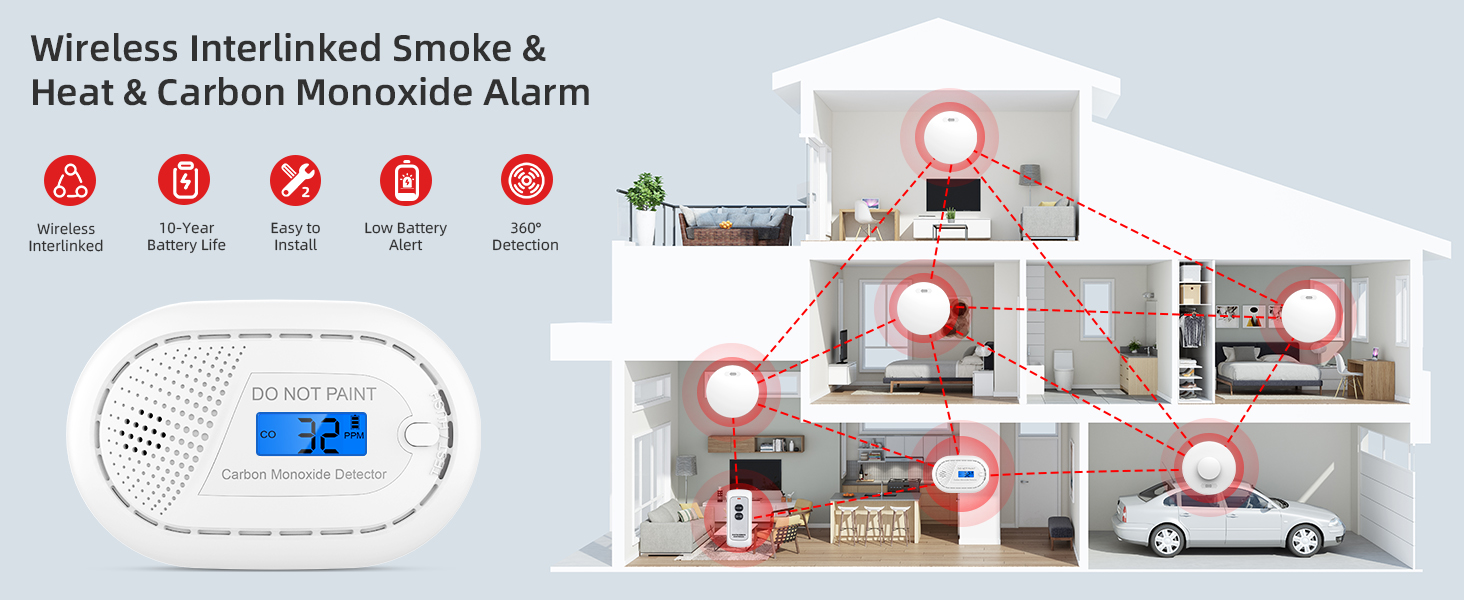
Among these guardians of our domestic bliss, the carbon monoxide detector often stands out. It's the silent sentinel, warning us of an invisible, odorless, and utterly nasty gas. A true hero, no doubt about it.
But let's have a little chat, just us. A slightly "unpopular opinion" kind of chat, if you will. Have you ever pondered its necessity when your entire home runs on good old electric heat?
Must Read
The Great Electric Heat Conundrum
Imagine your cozy abode. Your furnace hums, your baseboard heaters radiate warmth, or perhaps your heat pump quietly does its thing. All of it powered by the mighty electron. No flames, no combustion, just pure, unadulterated electricity.
Now, think about what carbon monoxide is. It's that sneaky byproduct of things burning without enough oxygen. Think gas furnaces, wood stoves, even your car's exhaust. It needs something to burn.
Here's where my eyebrows start to do a little dance. If your heat is 100% electric, what exactly is burning? Is your toaster secretly plotting against you? Is your hairdryer moonlighting as a tiny, inefficient combustion engine?
"Expecting an electric heater to produce carbon monoxide is like expecting your refrigerator to start knitting a scarf."
It just doesn't compute, does it? An electric heater works by running electricity through a resistant element, creating heat. It's like a giant light bulb that's really, really good at warming a room. There's no fire, no fuel, no chemical reaction that says, "Hey, let's make some CO!"

So, the question hangs in the air, much like those invisible gas molecules we're trying to detect: Do you really need a carbon monoxide detector when your heat source is exclusively electric?
The Case for the Skeptic (with a Smile)
Let's be honest. Buying a carbon monoxide detector for an all-electric home, purely for the electric heat, feels a bit like wearing a snorkel in the desert. It's safe, yes, but maybe a tad overkill for the immediate threat.
It's akin to meticulously child-proofing your home when your "children" are fully grown adults. They appreciate the thought, perhaps, but they're probably not going to stick their finger in an outlet.
Your electric heater, bless its efficient heart, is not going to suddenly decide to become a gas guzzler. It won't spontaneously combust in a way that produces noxious fumes. Its job is simple: turn electricity into warmth.
So, if your house is purely electric – we're talking electric stove, electric water heater, electric dryer, electric everything – then the chances of your heating system creating CO are, well, pretty much zero.
You'd have better luck teaching your cat to play the piano. Or convincing a squirrel to share its nuts. The physics just aren't there.
Hold On! A Nuance or Two (Because Safety First, Even Playfully)
Now, before you go ripping out every single detector in a fit of newfound minimalist rage, let's add a few important caveats. Because even in an all-electric home, life finds a way to introduce combustion.
What about your glorious gas fireplace? Ah, yes! That cozy glow, that real flame. It’s a wonderful addition, but it definitely burns fuel. And where there's burning, there's a potential for carbon monoxide if it’s not venting properly.
Or perhaps your home features an attached garage. Do you sometimes leave your car running for a moment too long while grabbing groceries? Even modern vehicles can produce CO, and that gas can seep into your living space.
Think about those handy portable generators. Power goes out, you fire up the generator outside – smart! But what if you bring it too close to a window? Or, heaven forbid, try to run it inside (please, never do this!)?
Even things like a charcoal grill brought indoors (again, a huge no-no) or certain unvented kerosene heaters can be culprits. Basically, anything that burns fuel can be a source.

So, while your electric heating system is likely as innocent as a newborn lamb when it comes to CO, other aspects of your life might not be so pure. It's about looking at the bigger picture of your personal habits and other appliances.
The "Peace of Mind" Factor
Some folks, even fully aware of the science, still prefer to have a CO detector. And who can blame them? There's a certain comfort in seeing that little green light. It’s a silent reassurance.
It's like carrying an umbrella on a perfectly sunny day. You probably won't need it, but you're prepared. And sometimes, that feeling of preparedness is worth the small investment.
Perhaps you have guests who might not be as vigilant about closing the garage door before starting their car. Or maybe a squirrel has built a nest in your chimney, blocking the flue of that beautiful gas fireplace.
These are scenarios that have nothing to do with your electric furnace. But they are very real scenarios where a CO detector would be a lifesaver.

So, my playful stance on electric heat doesn't mean ignoring all other potential dangers. It's simply about pinpointing the true source of the risk.
The Verdict (with a Wink)
If your home is truly, unequivocally, 100% electric from tip to toe, with no internal combustion appliances, no attached garage, and no penchant for indoor bonfires, then congratulations!
You can likely breathe a little easier regarding your heating system's CO output. It's just not going to happen. Your electric heater is on your side.
However, if there's even a whisper of combustion in your castle – a gas water heater, a fireplace, that gas grill you occasionally nudge a little too close to the patio door – then absolutely, keep those CO detectors humming.
They're there for the other stuff. The things that actually burn fuel. For the purity of your electric heat, though? It’s probably just chilling out, making you warm and cozy, totally CO-free.
So, the next time you glance at that little CO detector, give it a silent nod of appreciation. But maybe, just maybe, remember that its primary job probably isn't to babysit your electric space heater. It's got bigger, gassier fish to fry!