
Do You Have To Charge Nest Thermostat

Hey there, smart home adventurer! Ever found yourself staring at your super cool, futuristic Nest thermostat and wondering, "Wait a minute... does this thing need charging?"
You’re not alone! It’s a super common question, especially when we’re all used to charging everything from our phones to our toothbrushes. And honestly, it’s a fair one for a device that seems to live a life of its own on your wall.
So, let’s cut to the chase, shall we? Grab a coffee (or a beverage of your choice), kick back, and let’s demystify your Nest’s power situation with zero tech-speak headaches.
Must Read
The Short Answer: Not Usually! (Phew!)
The vast, vast majority of the time, your Nest thermostat is like that one friend who always seems to have their life together and never runs out of energy. It’s pretty much self-sufficient when it comes to power. You typically don't have to plug it in or swap out batteries like it's a TV remote from the early 2000s. See? Relief already!
But of course, there's always a little "but," right? It wouldn't be as fun without a tiny twist!
How Does It Stay Alive, Then? Is It Magic?
Almost! Your Nest thermostat actually draws a tiny trickle of power directly from your home's HVAC (Heating, Ventilation, and Air Conditioning) system wires. Think of it like a little parasite, but the good kind! It siphons just enough juice to keep its screen glowing, its Wi-Fi connected, and its internal battery topped up. Yes, it does have an internal battery!
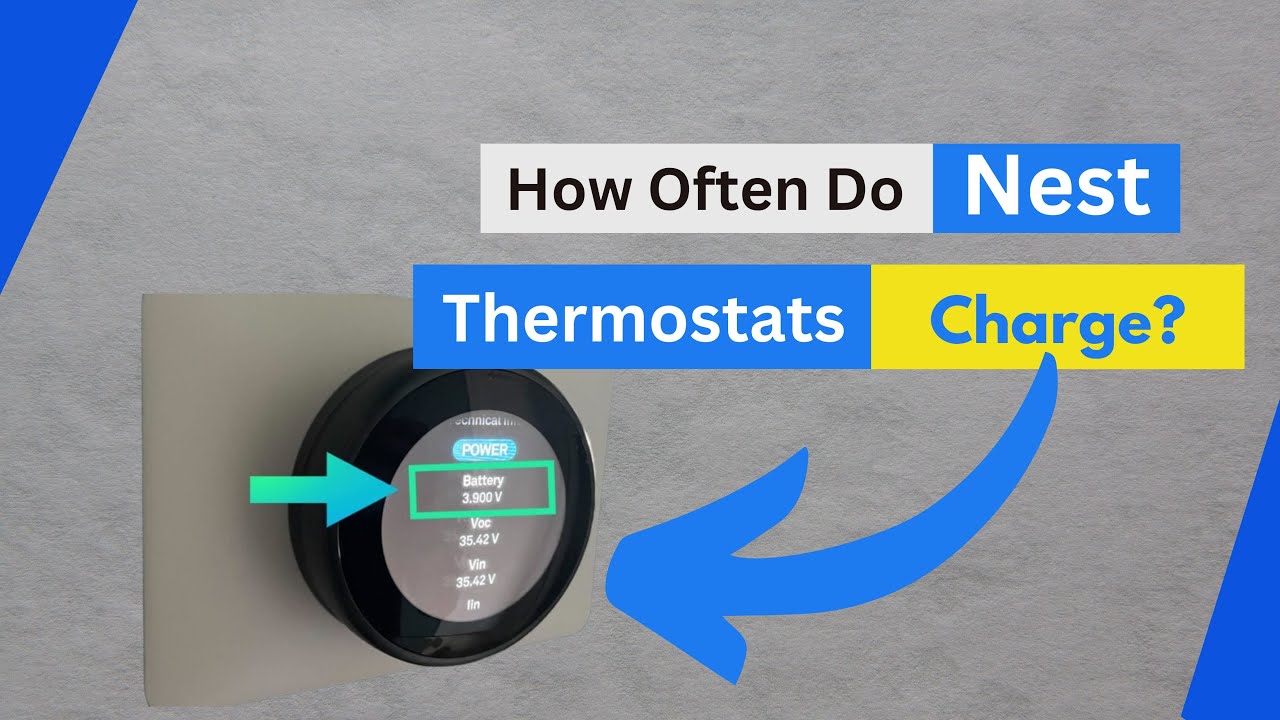
This internal battery is like a tiny, secret superpower reserve. It’s there to bridge any power gaps, help during Wi-Fi drops, or, in some cases, power the device if your wiring isn’t providing a steady charge. It's like a small personal energy drink for your Nest, always at the ready.
Enter the Mighty C-Wire (or Lack Thereof)
The real MVP for keeping your Nest perpetually powered is something called a C-wire (or "common wire"). This little hero is specifically dedicated to providing continuous, low-voltage power to your thermostat. It’s the direct lifeline from your furnace or air handler.
If you have a C-wire connected, your Nest is basically living the dream, getting a constant, reliable charge, and its internal battery stays happily topped off. You’ll probably never have to think about charging it manually. It’s like having a dedicated charging port directly from the grid – no muss, no fuss!
When Might You (Gasp!) Actually Need to Charge It?
Okay, so we said "not usually," but there are a few rare scenarios where your Nest might throw you a little "charge me, please!" message. These usually happen if your thermostat doesn't have a C-wire.
Without a C-wire, your Nest tries to be clever (and sometimes a bit cheeky!). It "power steals" by drawing power from the heating and cooling wires. This works for many people, but it’s not always a perfectly stable power source. If your HVAC system isn’t running frequently, or if there are other electrical quirks, the Nest's internal battery might start to deplete.
In such a case, your Nest might eventually go a bit quiet, its screen might dim, or it might just give you a polite little message (sometimes even a red light!) indicating its battery is low. This is the rare moment when you might actually need to step in.
The USB Rescue Mission!
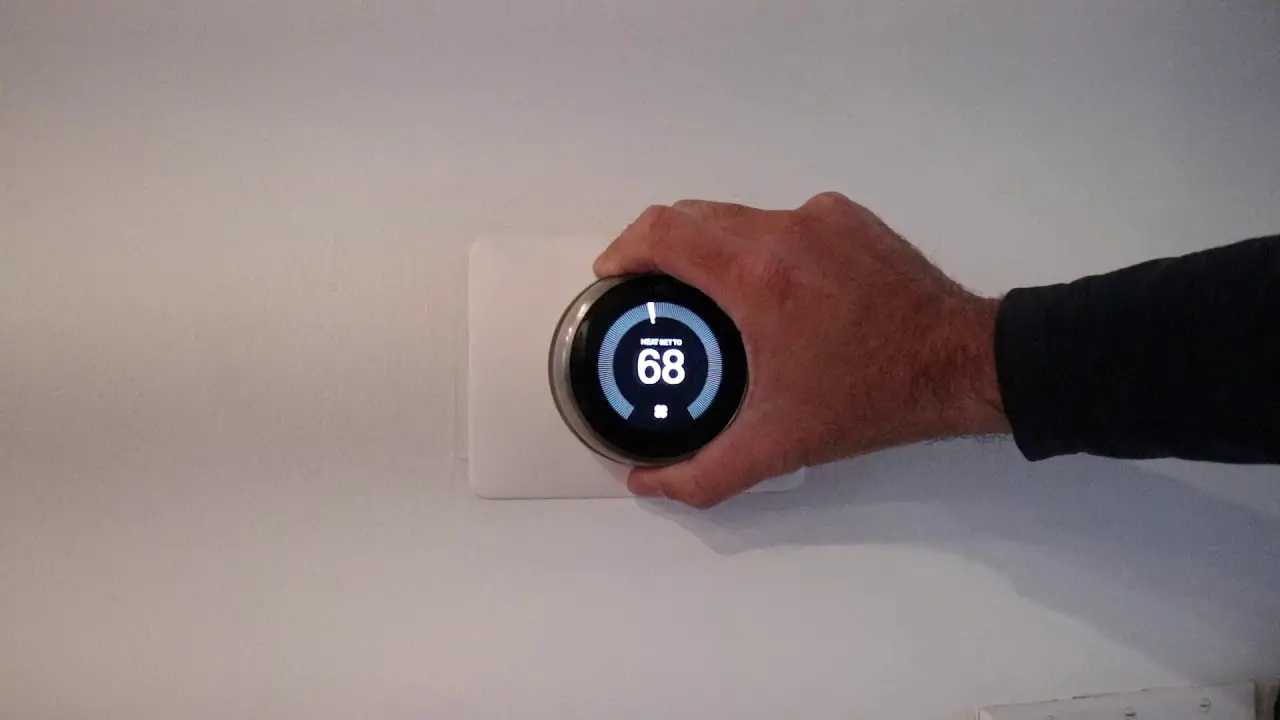
If your Nest ever does give you the dreaded "low battery" signal, fear not! It’s a pretty simple fix. You just gently pop the display off the base plate (it’s magnetic, so it comes off easily!), and then you can charge it up using a standard micro-USB cable (the same kind many Android phones used to use, or some older electronics). Think of it as a brief spa day for your Nest.
You can plug it into a phone charger, a computer’s USB port, or any other compatible USB power source. It usually takes a couple of hours to fully recharge. Once it’s done, just pop it back onto its base, and it’s good to go, silently judging your energy habits once more!
But seriously, this is not meant to be a regular occurrence. If you find yourself doing this often, it's a big hint that your Nest might benefit from a C-wire installation or a Nest Power Connector to provide it with a more consistent power supply.
So, What's the Takeaway?
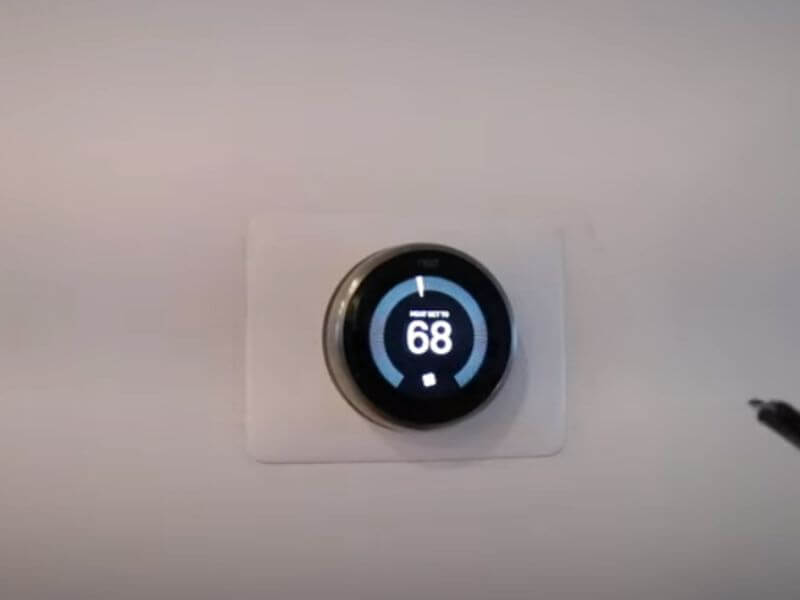
Your Nest thermostat is a pretty smart cookie, designed to be largely self-sufficient. For most users, with proper wiring (especially a C-wire!), you’ll likely never have to manually charge it. It just sits there, looking sleek, saving you energy, and making your home comfy.
If you do ever get a low battery warning, it’s a quick and easy fix with a USB cable, but it also might be a little nudge from your Nest to check your wiring situation.
So, relax! Your Nest is probably doing just fine, quietly orchestrating your cozy kingdom without needing you to play battery nurse. Now go enjoy your perfectly climate-controlled home, you tech-savvy superstar!