
Do Smoke Detectors Have Carbon Monoxide Detectors
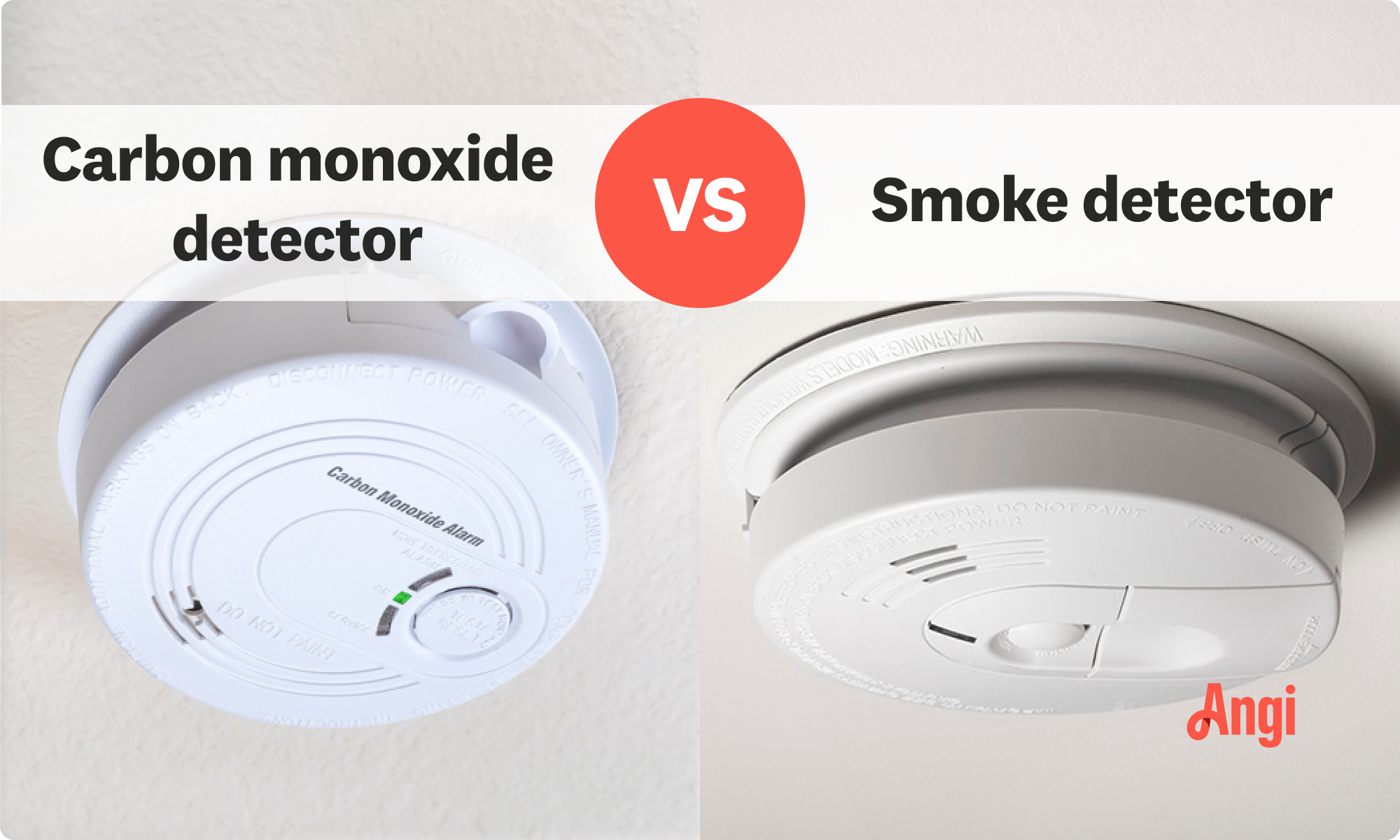
Ever looked up at that little device on your ceiling and wondered, "What exactly is that thing doing up there?" Many of us have. We know it keeps us safe, but sometimes the specifics get a little hazy. Today, we're going to clear up a common question: Do smoke detectors also have carbon monoxide detectors built in?
Let's start with the familiar. That chirpy little gadget we all know is typically a smoke detector. Its main job, as the name suggests, is to sniff out smoke. If there's a fire, even a tiny one starting, it lets out a loud alarm. It's like your personal firefighter, always on alert for visible threats. Smoke detectors are truly lifesavers, giving you precious time to escape when danger strikes. They guard against things like kitchen fires, electrical mishaps, or even a forgotten candle.
But then there's a different kind of danger, one that's a bit sneakier. We're talking about carbon monoxide, often called the "silent killer." Why silent? Because you can't see it, smell it, or taste it. Carbon monoxide, or CO for short, is an invisible gas produced by burning fuels – like from furnaces, water heaters, gas stoves, or even cars idling in a garage. If CO builds up in your home, it can be extremely dangerous, leading to headaches, dizziness, and even much worse, without you ever knowing it's there.
Must Read
The Big Question: Are They One and the Same?
So, does your faithful smoke detector also stand guard against this invisible CO threat? Here's the scoop: most standard smoke detectors do not detect carbon monoxide. They are built for different jobs, like two specialized agents on separate missions.
Think of it this way:
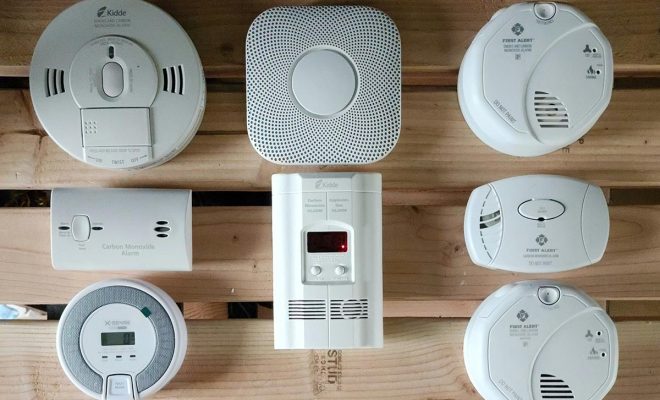
A smoke detector is like a security camera watching for visible intruders (smoke). A carbon monoxide detector is like a special sensor sniffing out an invisible, odorless gas.
For a long time, if you wanted both types of protection, you needed two separate devices. One would be your traditional smoke alarm, and the other would be a dedicated carbon monoxide detector, often plugged into an outlet or mounted on a wall. Both are absolutely vital for a safe home, protecting against very different, yet equally serious, dangers.
Enter the Combo Hero: Combination Detectors!
Good news! Technology has made things a bit simpler. Nowadays, you can get combination smoke and carbon monoxide detectors. These clever devices pack both detection technologies into one single unit. They are designed to sense both smoke particles from fires and the presence of dangerous CO gas.
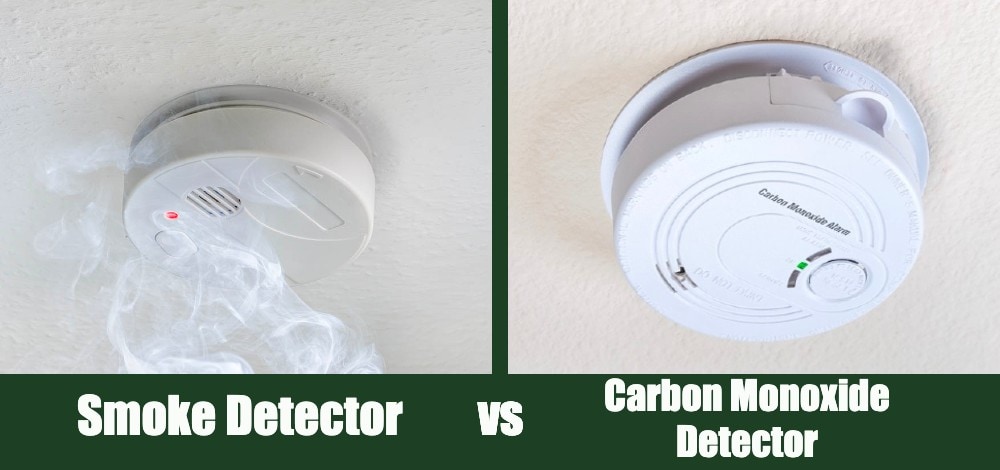
These combo units are fantastic because they offer the best of both worlds in a single, convenient package. No need to find space for two separate devices, and you only have one set of batteries to change (though you should still do it regularly!). They simplify your home safety setup while providing comprehensive protection. It's like having a superhero that can fly and turn invisible!
How to Check What You Have
Now, you might be thinking, "How do I know what kind of detector I have in my home?" It's actually quite easy! The best way is to look at the label on the device itself. Seriously, flip it open or take it down gently for a moment.
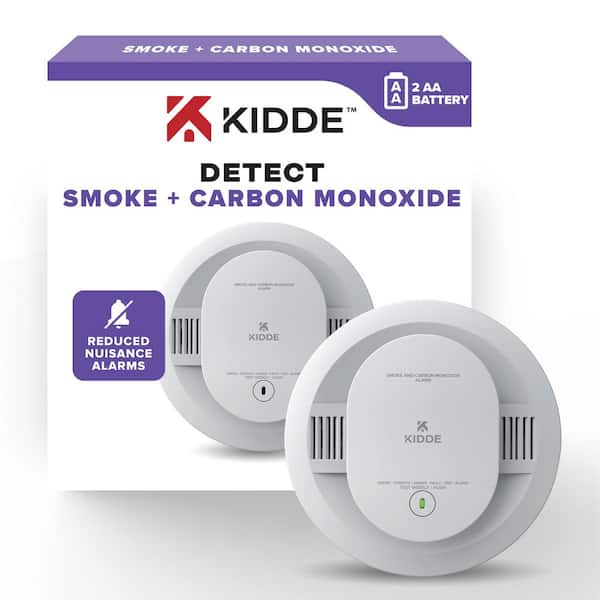
A standard smoke detector will usually just say "Smoke Alarm" or "Smoke Detector." If it’s a combination unit, it will clearly state something like "Smoke and Carbon Monoxide Alarm" or "Dual Sensor" right on the front or back. If you don't see any mention of carbon monoxide, then it's very likely just a smoke detector.
If you have any doubts, or if your detectors are really old, it's always a good idea to consider upgrading. Safety technology improves all the time, and newer models often have better sensors and longer-lasting batteries.
Why Both Kinds of Protection Matter
Having both smoke and carbon monoxide detection is not just a good idea; it's essential for complete home safety. Smoke alarms protect against fire, giving you warning to get out. CO alarms protect against an invisible poison that can render you unconscious before you even realize anything is wrong.
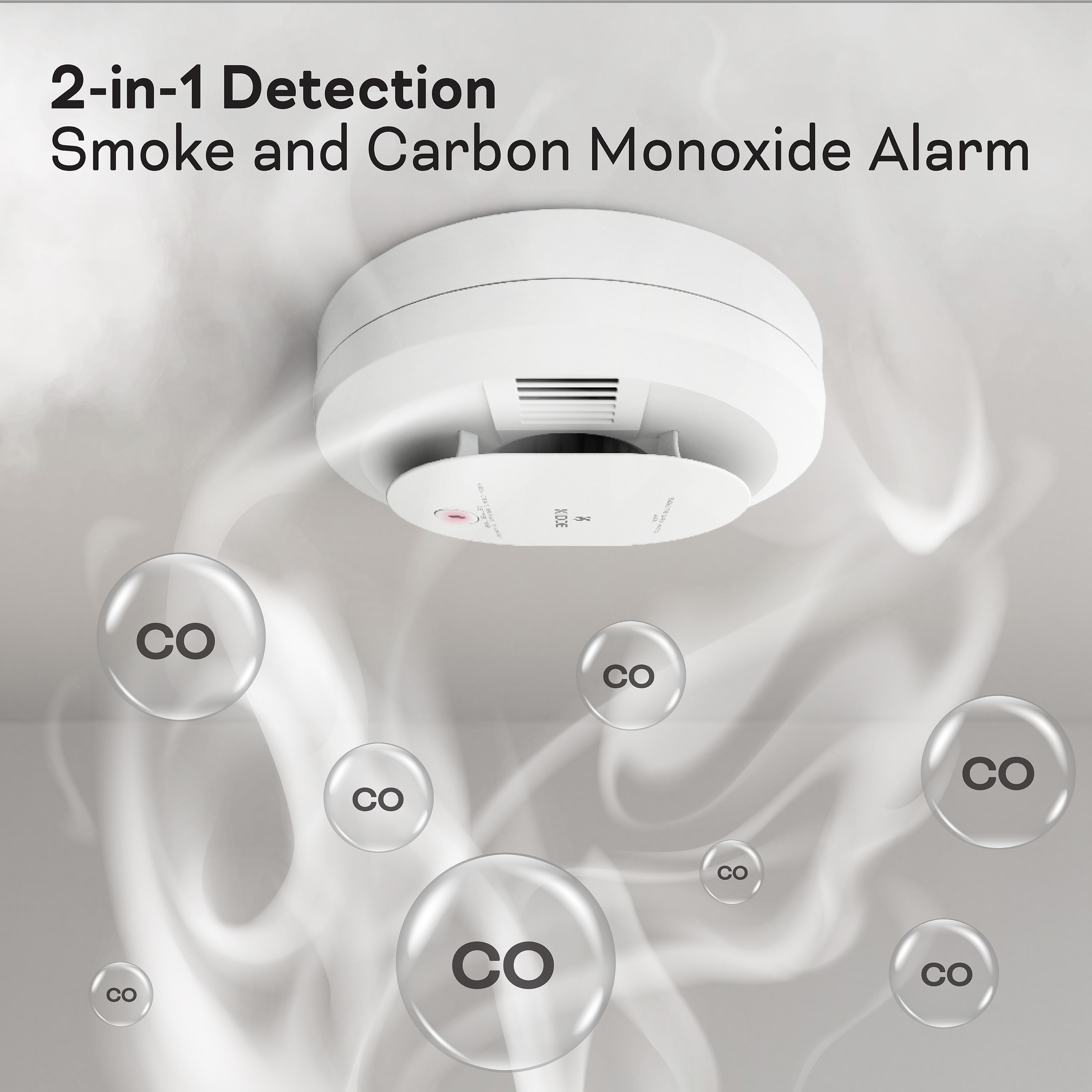
Imagine the peace of mind knowing that your home is guarded against both these threats. It allows you to sleep soundly, knowing that your devices are vigilantly watching over your family.
Your Next Step: Check Your Detectors!
So, now that you know the difference, why not take a few minutes to check the detectors in your home? Go take a peek at those ceiling and wall-mounted guardians. See what their labels say. Make sure you have both smoke and carbon monoxide protection, either through separate units or handy combination devices.
And remember, no matter what kind you have, test your detectors regularly (at least once a month!). Press that test button! Change the batteries when they chirp or at least once a year. It's a small task that makes a huge difference. Your family's safety is worth every second!