Do Smoke Alarms Go Off For Carbon Monoxide
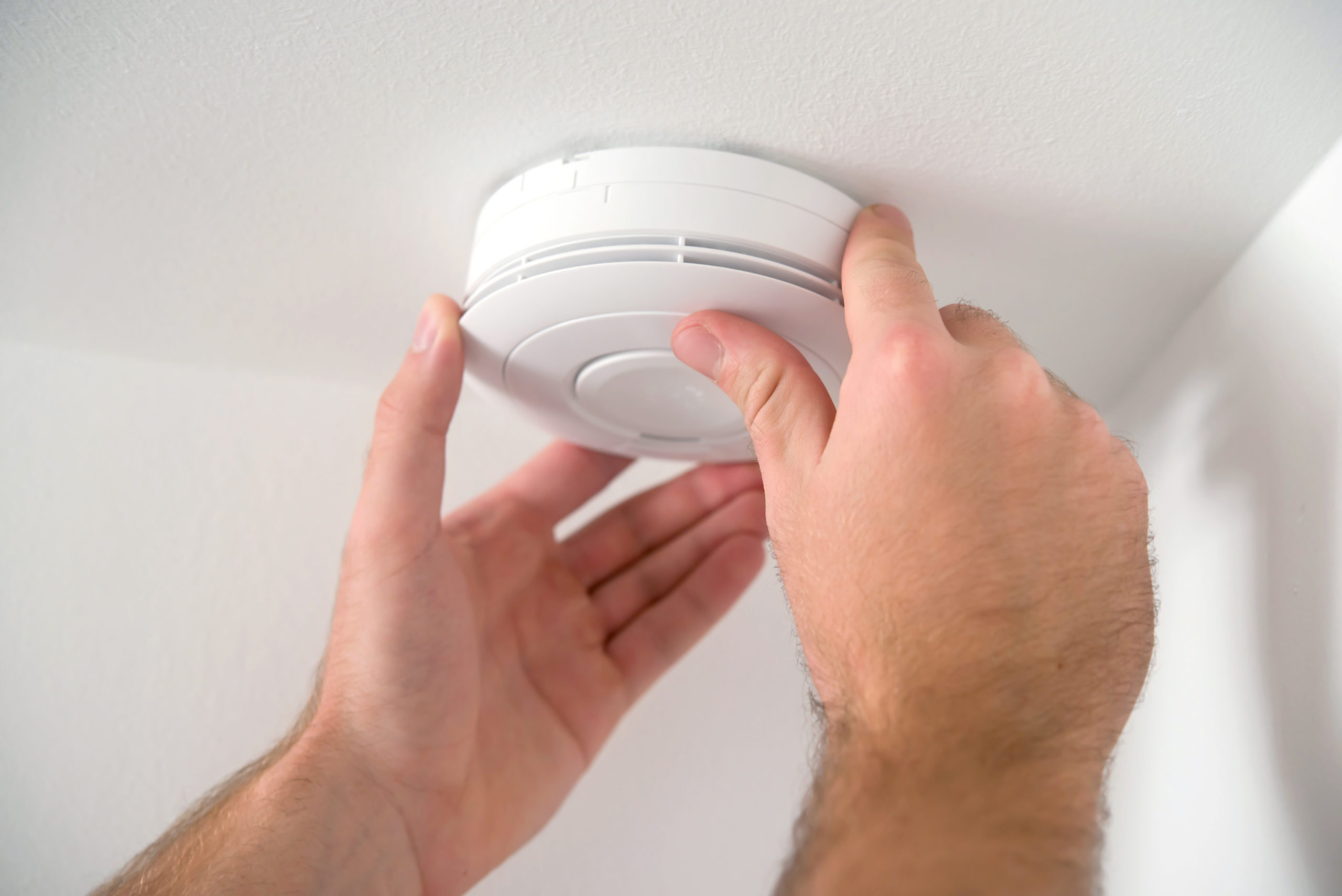
Ever found yourself staring at that little disc on your ceiling, wondering exactly what it’s listening for? Maybe you’ve accidentally burned toast and heard its shrill warning, or perhaps you’ve just moved into a new place and are pondering home safety. It’s a common thought, and a pretty important one: do smoke alarms also go off for carbon monoxide? It’s a fantastic question to ponder, not just for the sake of curiosity, but for the safety and peace of mind of everyone under your roof.
Let's clear the air right away: generally speaking, a standard smoke alarm is designed to detect smoke particles, and only smoke particles. Its primary purpose is to alert you to fires. Carbon monoxide (CO), on the other hand, is a completely different beast. It’s an odorless, colorless, and tasteless gas – a true silent killer – produced by incomplete combustion in appliances like furnaces, gas stoves, water heaters, and even car exhaust. Because these two threats are so different in nature, they require different detection technologies. So, a device solely labeled "smoke alarm" will not detect carbon monoxide.
This distinction is incredibly beneficial and, frankly, life-saving. Knowing that you need specific alarms for specific threats allows you to implement a robust safety strategy at home. The purpose of a dedicated carbon monoxide alarm is to continuously monitor for the presence of this dangerous gas and sound an alert before CO levels become toxic. This early warning gives you crucial time to evacuate and seek fresh air, potentially preventing serious illness or even death. The benefit is simple yet profound: protection against invisible dangers that traditional smoke alarms simply can't see.
Must Read
In our daily lives, understanding this difference translates directly into practical safety measures. For example, when equipping a new home or updating an old one, you wouldn't just grab a smoke alarm and call it a day. Instead, you'd strategically place smoke alarms on every level of your home, especially inside and outside sleeping areas. Simultaneously, you’d install carbon monoxide alarms on every level as well, particularly near sleeping areas and close to any fuel-burning appliances. Many modern homes are even opting for combination smoke and carbon monoxide alarms, which integrate both sensors into a single unit, offering comprehensive protection in one sleek package. In educational settings, fire departments and safety organizations frequently highlight the need for both types of alarms during community outreach programs, teaching families about the unique dangers of CO and how to protect themselves.
So, how can you explore this topic further and make sure your home is safe? Start by taking a little tour of your own home’s safety devices. Look closely at your existing alarms. Do they explicitly state "smoke alarm," "carbon monoxide alarm," or "smoke & CO alarm"? This simple check will tell you a lot. Next, make it a habit to test your alarms monthly, pressing the test button to ensure they’re functioning. Also, remember to replace batteries annually and the units themselves every 7-10 years, as recommended by manufacturers. Consider discussing this with your family – knowing the difference between the alarms and what each sound means is crucial for everyone. And if you’re unsure, a quick search on your local fire department's website will often provide excellent, localized advice on alarm placement and maintenance. Staying curious and informed about these small but mighty guardians of our homes is one of the best ways to keep ourselves and our loved ones safe!