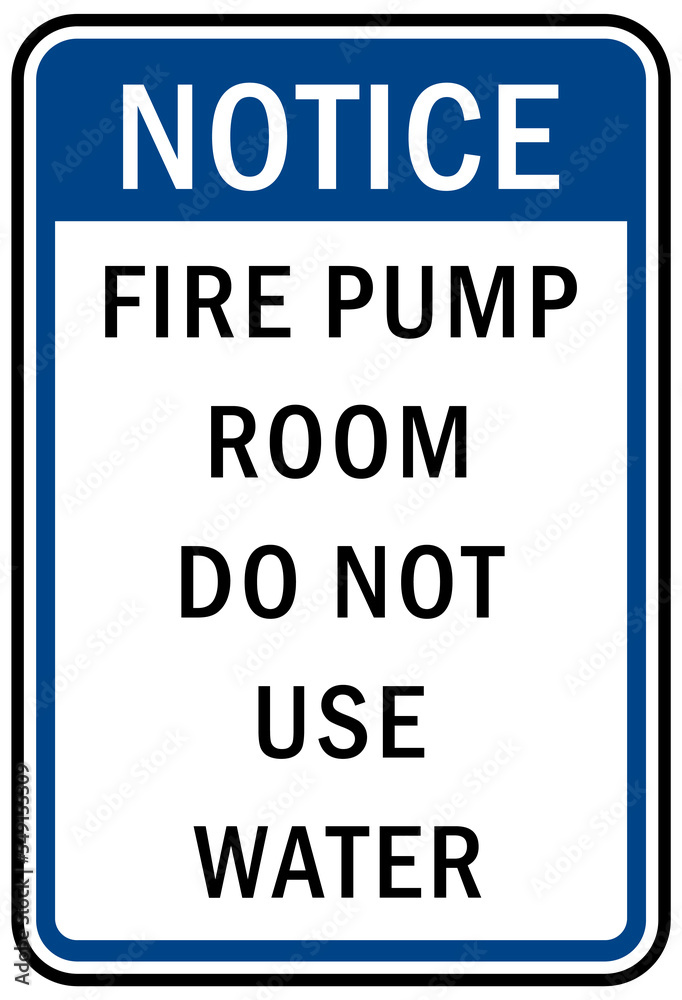
Do Not Use Water On A Petroleum Based Fire

Okay, so picture this: a glorious summer evening, the grill's fired up, burgers sizzling, and the air smells like pure happiness. My buddy, let's call him Dave (because that's his actual name), was in charge of getting the charcoal just right. Now, Dave is a great guy, but sometimes his enthusiasm outpaces his... let's say, precision. He'd doused the charcoal with lighter fluid, but it wasn't quite catching fast enough for his liking. So, what did he do? Naturally, he added a little bit more. And then, because it still wasn't quite roaring, he added a tiny bit more.
Suddenly, WHOOSH! A spectacular flare-up erupted, sending flames a good foot above the grill. Dave, bless his cotton socks, immediately grabbed the garden hose, eyes wide with the primal instinct to douse. And that's when I basically tackled him, yelling, "NO! NOT THE WATER!"
He looked at me like I'd just told him pineapple belongs on pizza (which, for the record, it sometimes does). But there was a very real reason for my sudden, dramatic intervention. We were dealing with a petroleum-based fire – specifically, lighter fluid – and water is, quite possibly, the absolute worst thing you can throw at it. And trust me, it’s not just about lighter fluid. This applies to grease fires in your kitchen, a gasoline spill, or even an engine fire. It’s a knowledge bomb you absolutely need in your arsenal, my friend.
Must Read
Why Water and Oil Fires Are Like Oil and Water (Literally!)
It sounds counter-intuitive, right? Water puts out fire, end of story. Except when it comes to fires fueled by petroleum products, grease, or cooking oil, water doesn't just fail; it actually makes things exponentially worse. And here's why, in layman's terms:
First off, oil and petroleum are generally less dense than water. You know how oil floats on water? Exactly. So, when you pour water onto a burning puddle of, say, gasoline or hot cooking oil, the water sinks to the bottom. It doesn't smother the fire; it just pushes the burning fuel up and out, allowing it to spread across the surface of the water. Suddenly, your small, contained fire is a much larger, more mobile fire. Not ideal, right?

But wait, there's more! And this is where it gets really dramatic. When water hits super-hot burning oil, it instantly heats up beyond its boiling point. That water turns into steam. And here's the kicker: water expands about 1,700 times its original volume when it turns into steam. Imagine that sudden, explosive expansion! This isn't just a gentle puff; it's a violent eruption that can spray burning oil droplets outwards in what's known as a "boil-over" or a "flash fire."
Think about a science fiction movie where a small spark suddenly engulfs an entire room in a fireball. While Hollywood might exaggerate, the principle of water-on-oil explosions is chillingly real. Those tiny droplets of burning oil, carried by expanding steam, can ignite anything combustible in their path, turning a manageable situation into a true catastrophe faster than you can say "Oh snap!"
So, What Do You Do? (Besides Panicking!)
Knowing what not to do is half the battle, but knowing what to do is how you become the hero (or at least, the sensible person who keeps everyone safe). So, if you ever find yourself facing a petroleum-based fire:

1. Smother It (If Small and Safe): For small grease fires in a pan (like if you're deep-frying), the absolute best thing to do is carefully slide a non-flammable lid over the pan. This cuts off the oxygen, and without oxygen, the fire can't survive. Baking soda can also work for very small grease fires, but you need a lot of it, and it's less effective than a lid.
2. Use the Right Extinguisher: This is a big one. For petroleum or grease fires, you need a Class B fire extinguisher (for flammable liquids) or, even better, a Class K extinguisher (specifically for cooking oils and fats in kitchens). These types of extinguishers use chemicals that either smother the fire or react with the fuel to stop the combustion process. Every home should seriously consider having one of these in an easily accessible spot!

3. Call the Professionals: If the fire is anything more than a tiny, immediately controllable flame, or if you're unsure, do not hesitate. Get out, stay out, and call 911 (or your local emergency number) immediately. Your safety, and the safety of others, is paramount. Stuff can be replaced; lives cannot.
Remember that incident with Dave and the grill? Thankfully, I managed to stop him before he turned our backyard BBQ into a pyrotechnic display. A little sand from the kids' sandbox quickly did the trick (it smothers the fire, just like a lid). It was a moment that really drove home just how important this knowledge is.
So, there you have it. The next time you're faced with a fire, take a split second to consider its source. Is it wood? Paper? Or is it something oily and flammable? That quick thought could be the difference between a minor incident and a truly dangerous situation. Stay safe, stay smart, and remember: water and petroleum-based fires are a seriously explosive combination you want to avoid!