Do I Have To Have A Landline For Adt
Okay, let me set the scene for you. Just last week, I was helping my aunt (bless her tech-averse heart) troubleshoot her internet, which, surprise surprise, involved a dusty old modem and a tangled mess of wires behind her TV. As I was untangling, I spotted it: a rotary phone. Not a vintage decorative one, mind you, but an actual, still-plugged-in, "hello, 1980s called and wants its phone back" rotary phone. I swear, the dial tone almost gave me whiplash back to an era of dial-up internet and waiting for your crush to maybe be home.
And it got me thinking, amidst the laughter and the gentle teasing: how much of our modern world is still tethered to these ancient relics? Specifically, for something as crucial as home security, like, say, ADT. You're probably picturing those classic alarm systems, right? The ones that beeped dramatically, and someone always inevitably answered a call from a monitoring center on—you guessed it—a landline.
So, Do I Really Need a Landline for ADT in the Year of Our Lord (Current Year)?
This is the big question that pops into so many minds, especially if you’re like me and haven’t seen a landline jack (let alone a functioning landline) in your home in, oh, a decade? Maybe more? Let’s be real, most of us have long since cut the cord (pun absolutely intended) with traditional phone companies. We live on our smartphones, stream everything, and communicate via a dizzying array of apps.
Must Read
The short, sweet, and mostly emphatic answer is: probably not anymore! Phew, right? You can exhale that sigh of relief now. The good news is that ADT, like most major home security providers, has absolutely kept up with the times. They know that a landline is about as common as a floppy disk drive in most modern households.
Why Landlines Were King (Once Upon a Time)
Historically, landlines were the backbone of home security for a very simple reason: reliability. They were dedicated, wired connections that were generally less susceptible to power outages (they often had their own power supply from the phone company) and didn't rely on cell towers or internet signals. If your alarm went off, that signal would zip down the landline straight to the monitoring center. It was robust, dependable, and pretty much the only game in town for two-way communication.
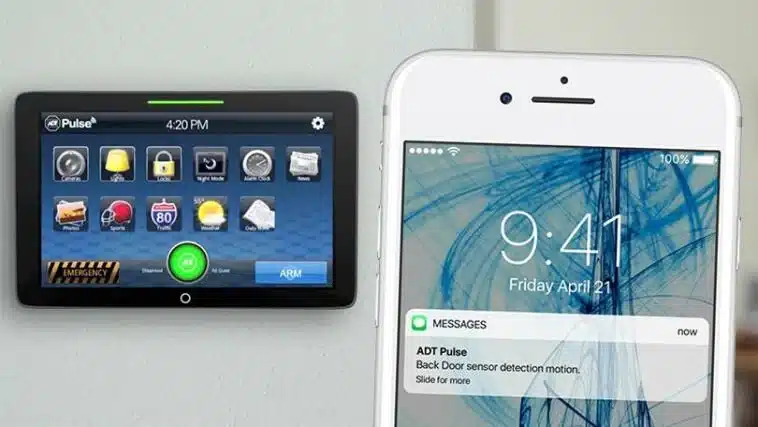
But, let's face it, even landlines had their vulnerabilities. A clever (or desperate) intruder could literally cut the phone line outside your house, severing the alarm system's connection. Not exactly foolproof, eh?
Enter the Modern Marvel: Cellular Monitoring
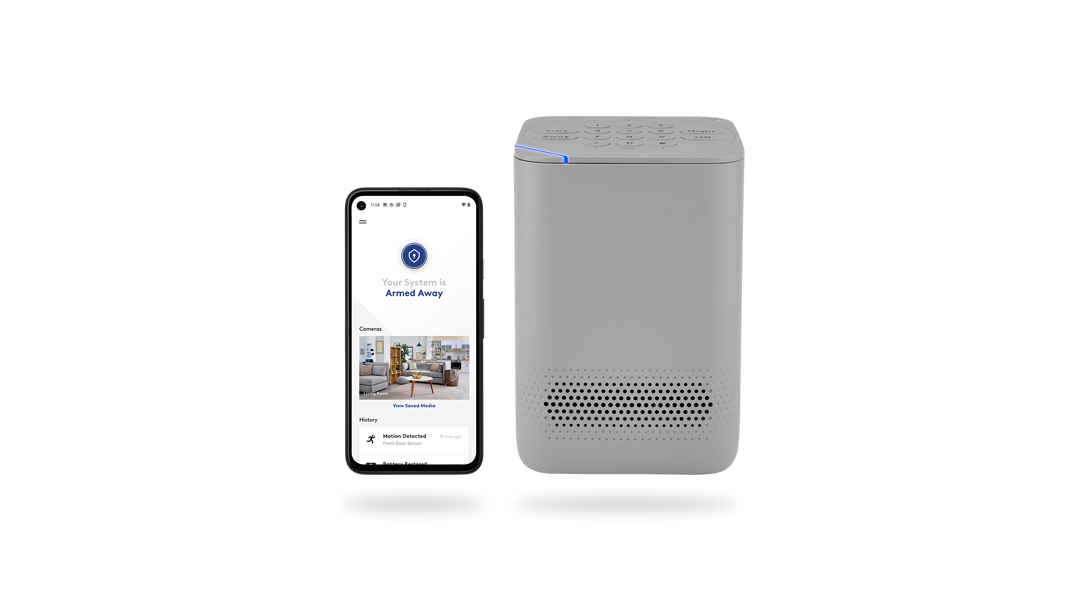
Today, the gold standard for ADT (and most security companies) is cellular monitoring. Think of it like your smartphone. Your ADT system essentially has its own built-in cellular radio that communicates wirelessly with ADT's monitoring centers. This is a game-changer for several reasons:

- No Landline Needed: This is the biggie. You don't need a clunky, expensive landline. Your ADT system operates independently.
- Harder to Tamper With: There are no external wires for an intruder to cut. Unless they have an EMP device (and if they do, you've got bigger problems than your alarm system), your cellular connection is generally safer.
- Redundancy: Even if your power goes out, your cellular-backed ADT system will likely keep communicating thanks to its backup battery. (Your Wi-Fi might die without power, but the cellular module often keeps chugging along.)
Of course, like all tech, cellular has its own little quirks. You need decent cellular reception in your home for it to work optimally. But ADT technicians are usually pretty good about checking for this during installation. And let's be real, if you can make a phone call from your living room, your ADT system probably can too.
What About Internet (IP) Monitoring?
Some ADT systems can also use your home's internet (IP monitoring) as a primary or secondary communication path. This is great for speed and often works hand-in-hand with cellular for even more redundancy. However, it's usually recommended as a backup to cellular, not a standalone. Why? Because if your internet goes down (thanks, squirrel chewing through the cable!), or if someone cuts your internet line, your alarm system's connection could be compromised. So, while it's a fantastic addition, cellular is generally considered the more robust primary option.

The ADT Lowdown: What to Expect Now
When you're looking at a new ADT system, or upgrading an old one, the conversation will almost certainly revolve around cellular monitoring. They understand that landlines are becoming an endangered species. You won't be forced to resurrect an old phone line just to protect your home.
Now, if you have an ancient ADT system that was installed way back when, and you're just maintaining it, then maybe it's still using a landline. But even then, upgrading to a modern cellular communicator is usually a straightforward and highly recommended process. It gives you all the benefits of the new tech, often including smartphone control and smart home integrations.
So, You're Free!
In short, ditch the rotary phone fantasies. You absolutely do not need to bring back a landline just for ADT. The world has moved on, and so has home security. Most modern ADT packages are built around secure, wireless cellular technology, giving you peace of mind without the extra bill (or the dusty old phone jack). So go forth, embrace the wireless future, and enjoy that feeling of being totally untethered!