Do I Have Gas In My House
Ever paused to wonder if your cozy abode is powered by gas, and not just electricity? It might sound like a super technical question, but figuring out “Do I Have Gas In My House?” is actually a surprisingly useful and empowering piece of knowledge for any homeowner or renter! It's not about being a plumber or an engineer; it's about understanding your home's heartbeat, keeping your family safe, and maybe even saving a buck or two on energy. Think of it as a fun detective game for your house!
Understanding your home's gas situation offers benefits for just about everyone. For the absolute beginner, it’s about demystifying those pipes and knowing what a gas meter even looks like. It builds foundational knowledge about your home's utilities, which is incredibly useful for general maintenance and problem-solving. For busy families, this knowledge translates directly to peace of mind and safety. Knowing how to identify gas appliances, what to do in case of a suspected leak, and understanding your utility bills are crucial. It’s about being prepared and creating a safer environment. And for those who love to be informed homeowners (let's call them home system enthusiasts!), understanding your gas setup can inform decisions about energy efficiency, future appliance purchases, or even just appreciating how all the different parts of your house work together.
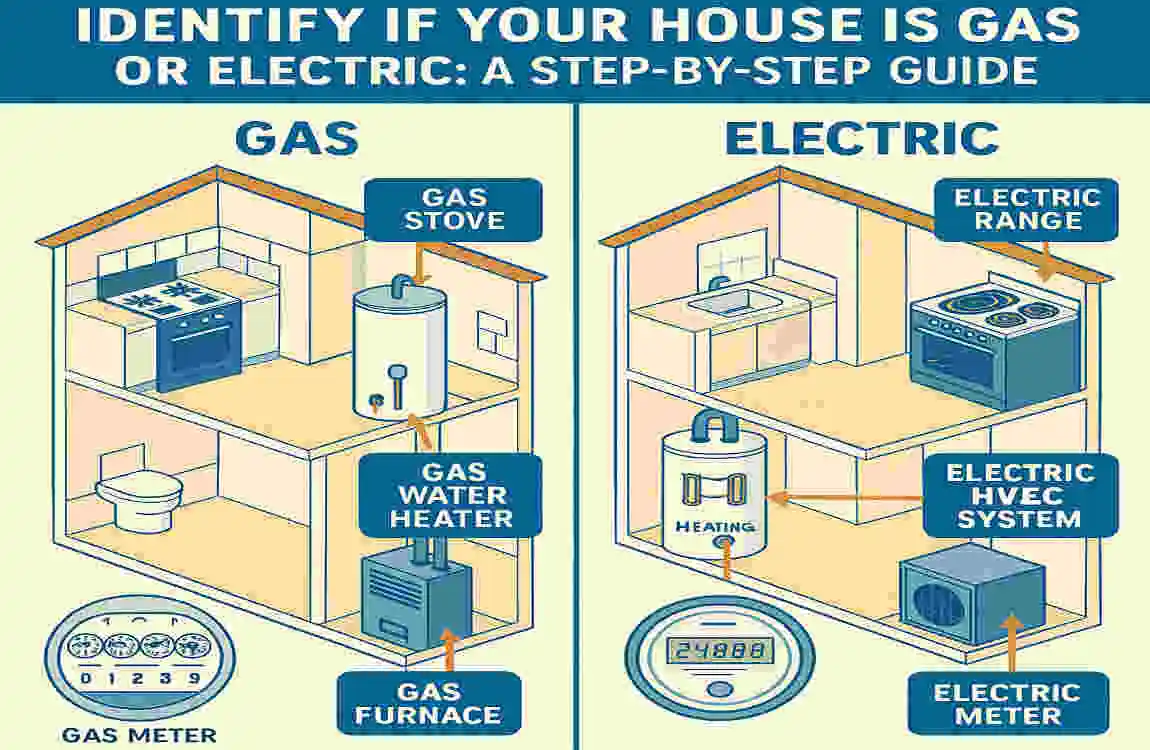
So, what does having gas actually look like? Most commonly, you'll be using natural gas, delivered through underground pipes directly to your home. But some homes, especially in more rural areas, might use propane gas, stored in a large tank outside. The gas then fuels various appliances: your furnace for heat, a water heater for hot showers, a stove and oven for cooking up delicious meals, or even a clothes dryer. You might also have a gas fireplace or an outdoor grill hook-up. Each of these appliances will have a dedicated gas line running to it. The most important thing to remember about gas is its distinctive smell – utilities add an odorant that smells like rotten eggs so you can detect a leak, because gas itself is odorless.
Must Read
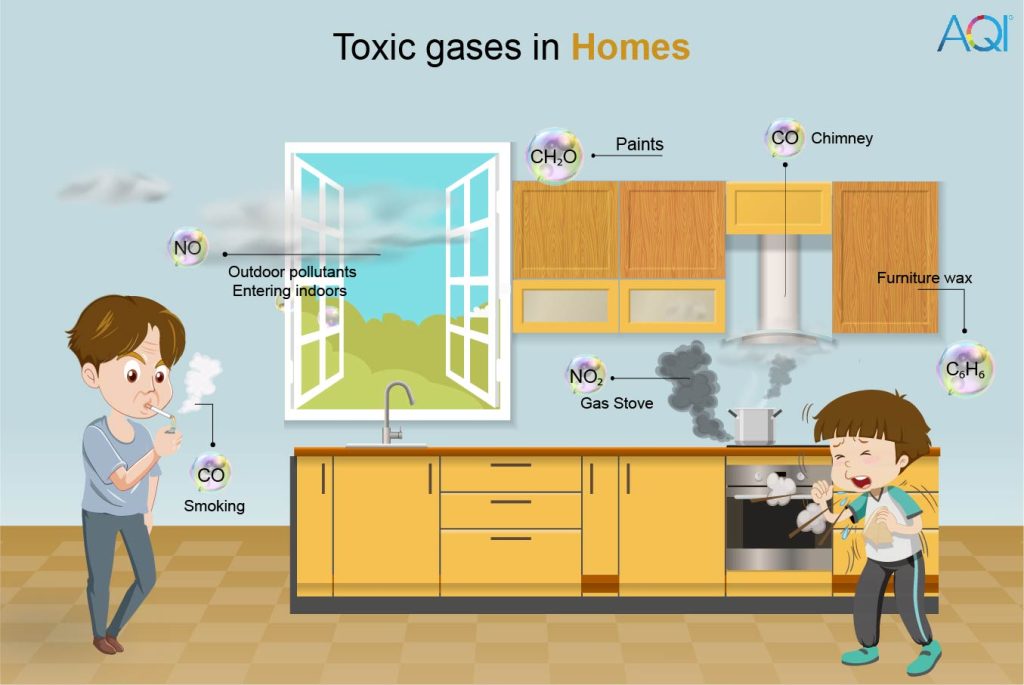
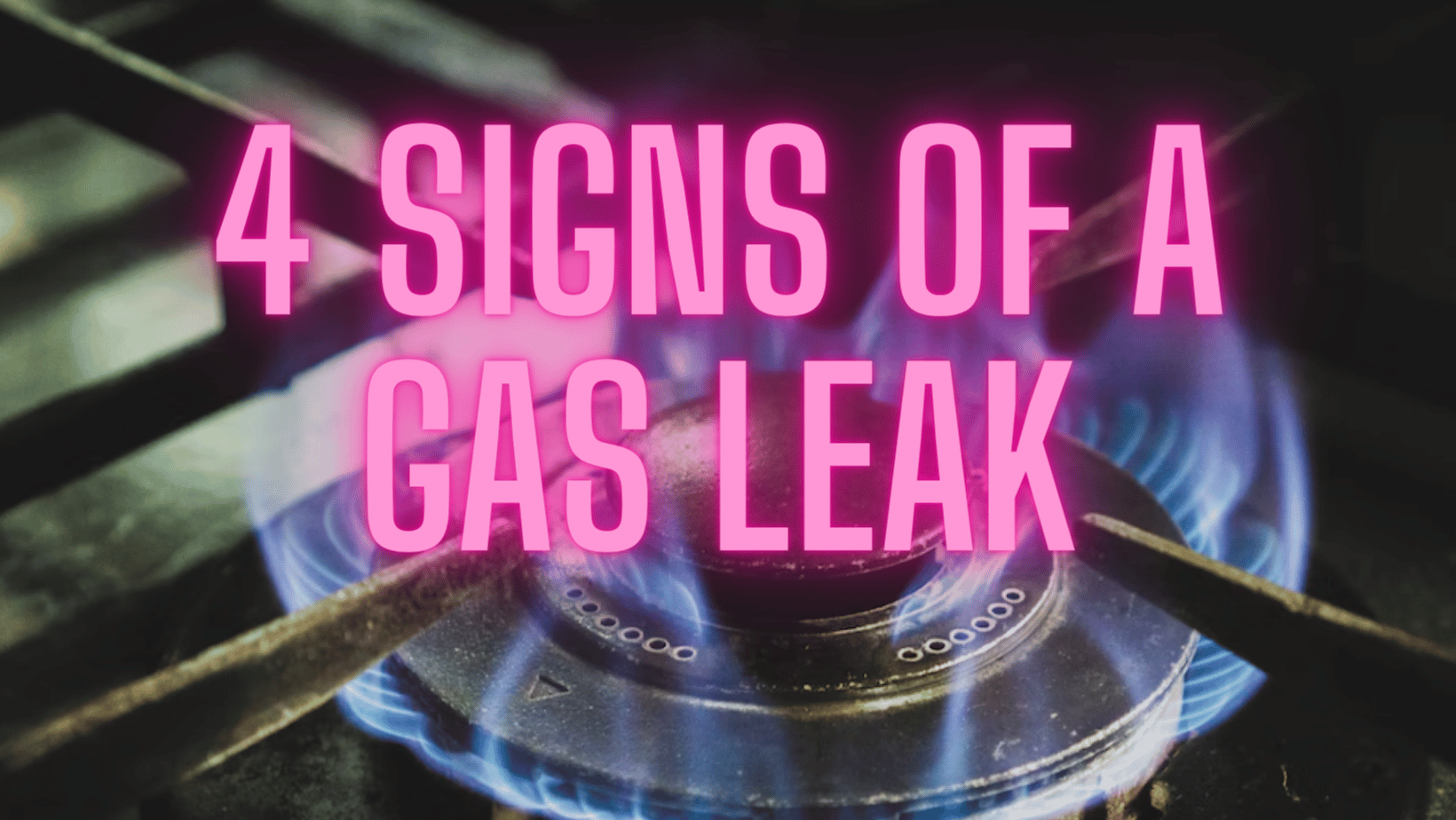
Ready to play home detective? Here are some simple, practical tips to get started. First, check your utility bills. If you receive a bill from a gas company, bingo! You've got gas. Next, take a quick walk around the exterior of your house. Look for a gas meter, typically a small gray box with dials or a digital display, often near the side or front of your house where pipes enter the ground. You might also spot a larger, often white, tank in your yard if you use propane. Inside, take a peek at your larger appliances: Is your water heater or furnace equipped with a visible exhaust vent (often a metal pipe going up) and a small pilot light or igniter? That's a strong indicator of gas. Finally, and this is crucial, make sure you have working carbon monoxide detectors installed on every level of your home, especially near sleeping areas. Carbon monoxide is an odorless, colorless gas produced by incomplete combustion, and a detector is your silent guardian. And remember, if you ever smell that "rotten egg" odor, evacuate immediately and call your gas company's emergency line from a safe distance – never try to find or fix a gas leak yourself!
Understanding whether you have gas in your house might seem small, but it's a valuable step towards becoming a more informed and confident homeowner. It’s about empowering yourself with knowledge that contributes to your family’s safety and helps you make smarter decisions about your living space. Enjoy the journey of discovering your home's hidden infrastructure!