
Do Carbon Monoxide Detectors Detect Smoke
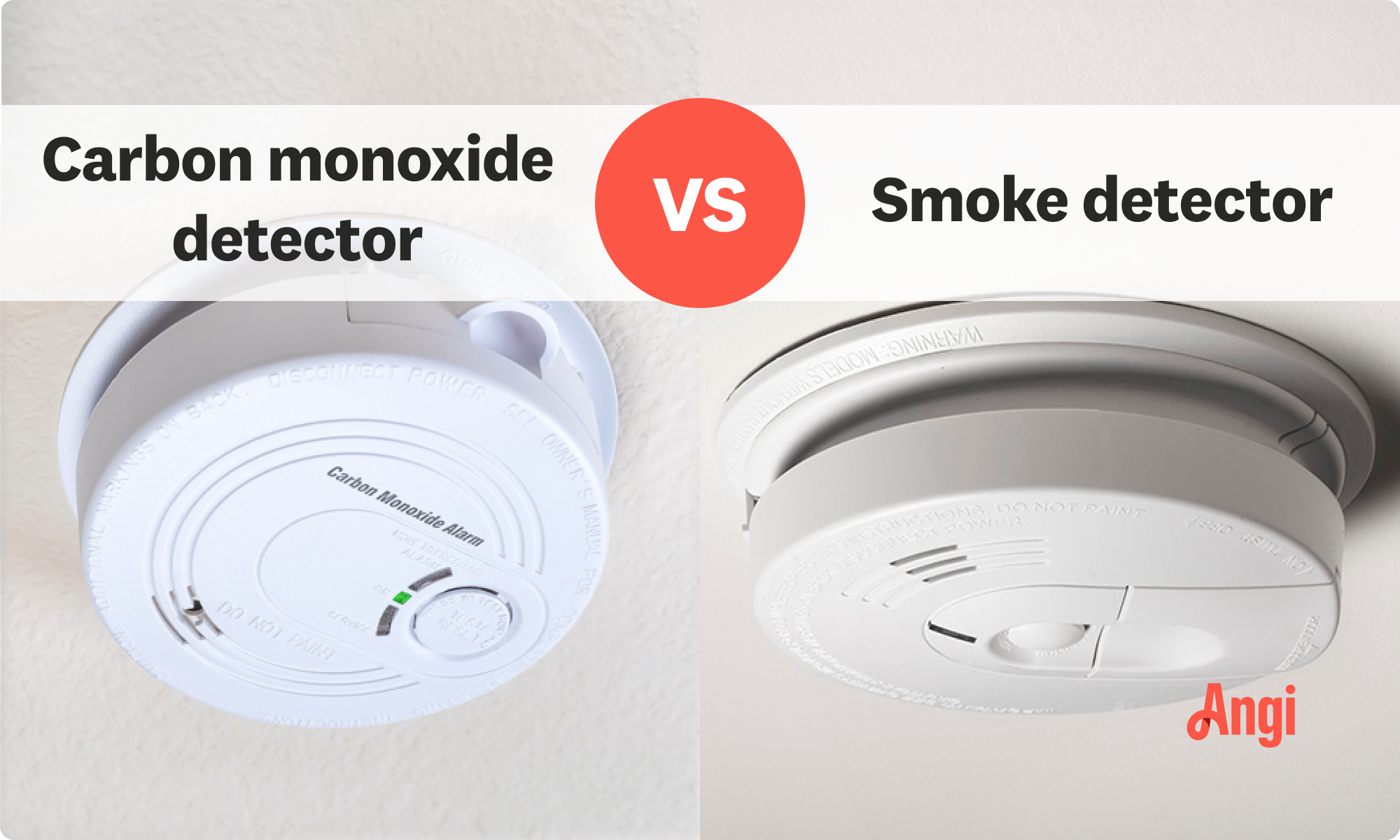
Ever found yourself staring at that little white disc on the ceiling, wondering just what magical powers it holds? You’re not alone! In our homes, we have some incredible silent guardians, always on duty. Two of the most important are the smoke detector and the carbon monoxide detector.
Sometimes, people wonder if these clever gadgets are actually one and the same. Do they both spring into action if you accidentally burn the popcorn? It's a common question, and today, we're going to clear up that mystery with a little fun!
The Great Home Safety Mystery: Are They Twins?
Imagine you have two best friends. Both are amazing, both help you out, but they specialize in totally different things. One is brilliant at finding lost keys, and the other is a champion at spotting a great movie.
Must Read
That’s pretty much the deal with your smoke detector and your carbon monoxide detector. They’re both vital for keeping you safe, but they have very distinct superpowers. They aren't twins, or even siblings with identical skills!
“Think of them as two highly trained, specialized superheroes, each with their own unique mission.”
Meet Carbon Monoxide: The Invisible Intruder
Let’s talk about Carbon Monoxide, often called the "silent killer." This isn’t a flashy supervillain; it’s more like a sneaky ghost. You can't see it, you can't smell it, and you can't taste it.
It's a gas, often produced by everyday appliances in our homes if they're not working correctly. Think furnaces, gas stoves, water heaters, or even cars running in an attached garage. This gas can build up quickly and, without warning, become incredibly dangerous.
This is where your trusty carbon monoxide detector steps in. It's like a highly sensitive nose, constantly sniffing the air for this invisible threat. Its entire job is to detect the specific presence of CO gas.
When it detects even a tiny bit of this sneaky gas, it lets out a loud, insistent alarm. This alarm is a hero's warning, giving you precious time to get fresh air and call for help. It’s truly a lifesaver.
Meet Smoke: The Obvious Omen
Now, let's turn our attention to smoke. This is a much more dramatic character! Smoke is usually pretty easy to spot; it's visible, it has a distinct smell, and it often hangs in the air.
Smoke is made up of tiny little particles that float around when something is burning. From a forgotten pot on the stove to an electrical fire, smoke is an immediate sign of danger. It tells you that a fire has started or is about to start.
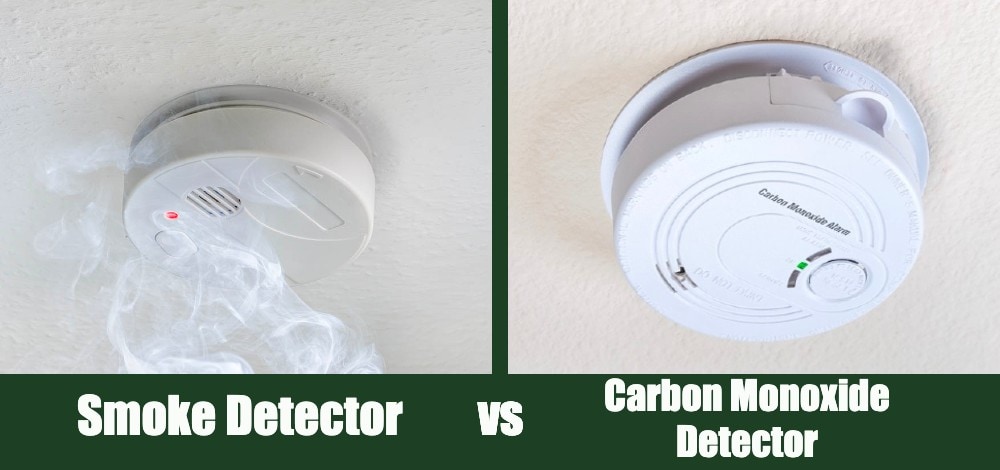
Our fabulous smoke detector is specifically designed to sense these airborne particles. It has little internal "eyes" or "noses" that are perfectly tuned to spot smoke. When it detects these particles, it shrieks a loud, unmistakable alert.
This alarm tells you there’s fire, or at least something burning dangerously close. It's your cue to get out, stay out, and call the fire department. It’s a classic, straightforward hero for a very obvious threat.
Why They're Different (And Why That's Fantastic!)
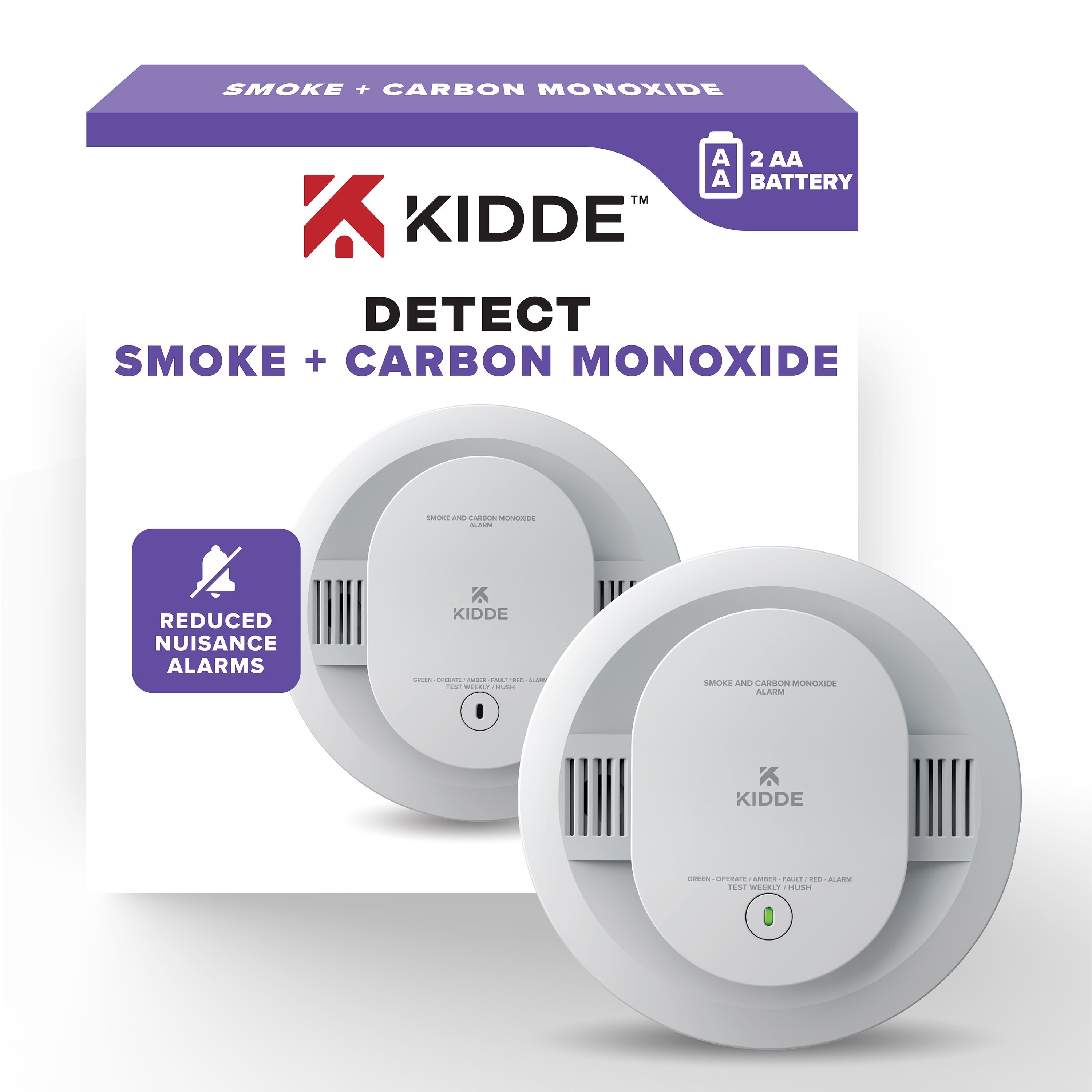
So, here’s the big reveal: a carbon monoxide detector does NOT detect smoke, and a smoke detector does NOT detect carbon monoxide. Shocking, right? But it makes perfect sense when you think about it.
Imagine trying to catch a tiny, invisible mist with a giant butterfly net designed for colorful, fluttering birds. It just wouldn't work! Each detector is perfectly engineered for its specific adversary.
Your CO detector is a gas whisperer. It's programmed to ignore the steam from your shower, the dust bunnies under the couch, or even that delicious, smoky barbecue smell from your neighbor's yard. It only cares about carbon monoxide.
On the other hand, your smoke detector is a particle expert. It’s brilliant at spotting those tell-tale bits of soot and ash floating through the air. It doesn’t care if there’s CO gas around; its mission is to warn you about fire and its smoky byproducts.
This specialization is actually a wonderful thing! It means you have dedicated guardians for two very different, but equally serious, threats. One protects you from an unseen poison, the other from the visible danger of fire.
The Dynamic Duo: Why You Absolutely Need Both
Since these two heroes have unique powers, it becomes super clear why you need both of them working diligently in your home. Relying on one to do the other's job is like expecting a plumber to fix your car engine – they're both important, but for different tasks!
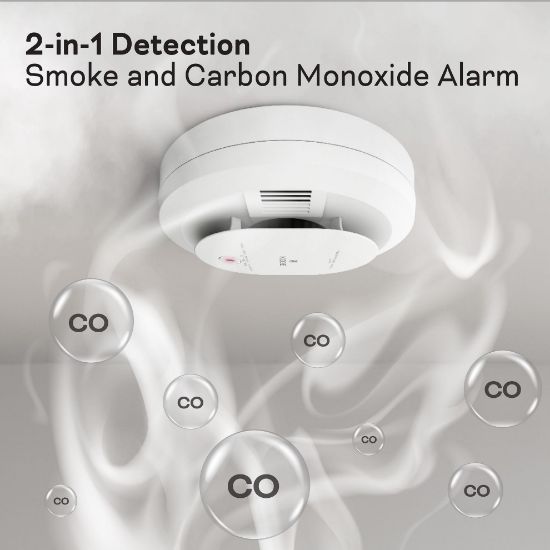
Think of them as a dynamic duo, like peanut butter and jelly, or socks and shoes. They work best when they're together, covering all your bases. A heartwarming story often involves both playing their part, even if in different scenarios.
I once heard a story about a family whose furnace malfunctioned in the middle of a cold winter night. The parents were sound asleep. Luckily, their carbon monoxide detector started chirping its urgent tune.
They woke up groggy, but immediately knew something was wrong. They got their kids out of bed and into fresh air, calling emergency services. Thanks to that dedicated little device, a silent, invisible threat was foiled, and their family was safe.
Another time, a young couple was cooking a celebratory dinner, got distracted, and a dish in the oven started smoking intensely. The smoke detector blared its warning, startling them back to reality. They quickly dealt with the smoky oven, preventing a small mishap from becoming a serious fire.
Neither detector could have done the other's job in these crucial moments. The CO alarm wouldn't have cared about the oven smoke, and the smoke alarm wouldn't have sensed the invisible CO gas. Together, they offer comprehensive protection, giving you incredible peace of mind.
Easy-Peasy Home Safety Tips for Your Heroes
Now that you know how amazing and specialized these detectors are, let’s make sure they’re always ready for action. Keeping them in tip-top shape is super simple!

Placement is Key: For smoke detectors, place them inside and outside of sleeping areas on every level of your home. For carbon monoxide detectors, place them on every level and near sleeping areas.
Test Them Regularly: Make it a monthly habit! Press the "test" button on each detector. You should hear a loud chirp or alarm. This sound is your detector saying, "I'm ready for duty!"
Change Batteries Annually: Just like a trusty superhero needs fresh energy, most detectors need their batteries replaced once a year. A good trick is to do it when you change your clocks for daylight saving time. If your detector starts to "chirp" sporadically, that’s its polite way of telling you the battery is low – change it right away!
Know When to Replace: Detectors don't last forever. Check the manufacturer's date; smoke detectors usually last about 10 years, and carbon monoxide detectors typically 5-7 years. After that, their sensing abilities might weaken, so it's time for a new one.
Our Homes, Our Heroes
So, there you have it! The next time you glance at those white discs on your ceiling, you'll know their secret. Your carbon monoxide detector is a silent sentinel against invisible gas, and your smoke detector is a vigilant guardian against visible fire.
They might not detect each other's specific threats, but together, they form an unbeatable team. They provide a double layer of protection, giving you and your loved ones the safety and peace of mind you truly deserve. Now that’s something worth loving!