
Detection And Monitoring Should Begin
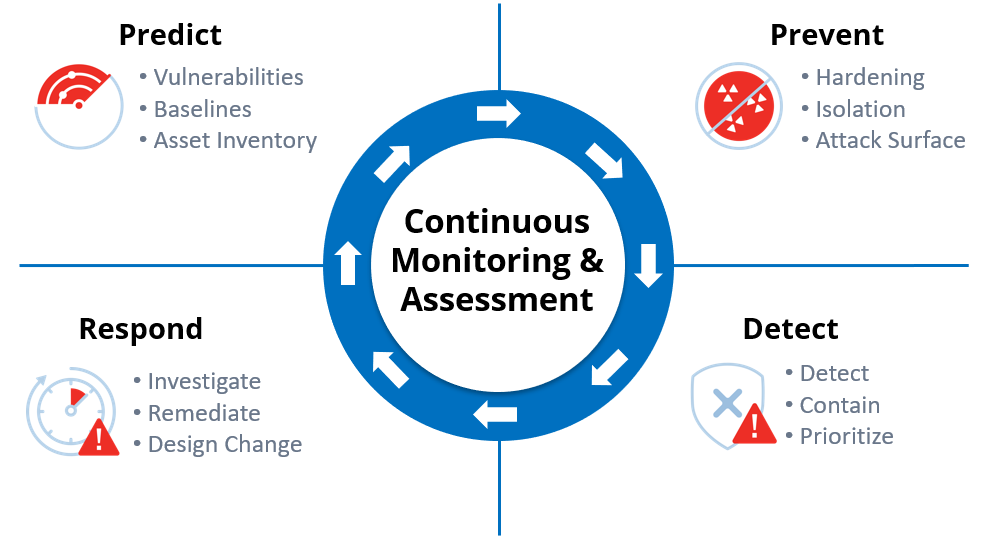
Ever woken up to that ominous drip... drip... drip sound? You know, the one that starts innocently enough, just a tiny pearl of water making its escape from the faucet? Most of us, myself included, have had a moment where we think, "Eh, I'll get to it later." And then, of course, "later" often means a mild flood in the bathroom, a frantic call to a plumber, and a bill that could buy you a small, slightly dented yacht. This, my friends, is why we need to talk about why detection and monitoring should begin early.
Think of it like this: your car makes a weird little squeak when you hit the brakes. It's subtle, barely there, like a mouse whispering secrets. Do you ignore it until the brakes fail entirely, sending you on an unplanned detour through someone's prize-winning rose garden? Or do you get it checked out when it's still a "mouse whisper" and not a "full-blown banshee wail"? The smart money, and the intact rose garden, is on the early check-up. That little squeak? That’s your early detection system kicking in.
The Case for Catching Things Early (Before They Become Monsters)
It's not about being a pessimist; it's about being a realist with a dash of self-preservation. Remember that suspicious smell in the fridge? The one you hoped was just your imagination, or maybe a forgotten cheese that had developed a personality? If you'd sniffed it out (literally!) and dealt with it when it was just a peculiar funk, you wouldn't have to evangelize your entire kitchen with baking soda and industrial-strength cleaner days later. Early detection stops small issues from becoming smelly sagas.
Must Read
And then there's the monitoring part. This isn't about constant, paranoid surveillance. It's more like checking if your kids are too quiet in the next room. Every parent knows that kind of silence is rarely golden; it usually means someone is drawing on the cat, or attempting to give the dog a haircut. You don't wait for the catastrophic reveal; you wander in, casually, to monitor the situation. It’s a proactive, gentle sweep, not a full-scale SWAT operation.
In everyday terms, monitoring is like keeping an eye on your phone battery. You don't wait for it to die precisely when you're trying to navigate rush-hour traffic in an unfamiliar city. No, you glance at it periodically, see it's at 30%, and think, "Hmm, maybe I should plug it in soon." That simple, ongoing check is monitoring in action. It gives you a heads-up, a chance to react before the emergency hits.
Why We Often Hesitate (And Why We Shouldn't)
We're all guilty of it. We see a tiny crack in the wall, and our brain quickly conjures up a narrative where it's "just the house settling" instead of, you know, a sign that perhaps a small family of termites has started a bustling Airbnb in your load-bearing beam. Sometimes we ignore things because we're busy, sometimes because we dread what we might find, and sometimes because we're optimists to a fault. "It'll fix itself," we whisper, usually just before it dramatically doesn't.
But here's the kicker: acting early almost always saves you time, money, and a significant amount of stress. That dripping faucet fixed with a quick washer replacement? Pennies and five minutes. That flood? Thousands and weeks of upheaval. The difference is night and day, or rather, a calm evening versus a screaming emergency. Starting detection and monitoring isn't about inviting trouble; it's about gracefully dodging it.
So, next time you hear a strange noise, smell something amiss, or notice a slight change in the usual rhythm of things, don't dismiss it with a shrug and a prayer. Embrace the power of early detection and the wisdom of gentle monitoring. Your future self, your wallet, and possibly your sanity, will absolutely thank you for it. After all, isn't it better to fix the leaky faucet before you're canoeing through your living room?
.png?auto=compress,format)
