Cuantas Onzas Hay En Un Litro
Ever found yourself staring at a recipe, utterly confused by the different units of measurement? Maybe you're trying to follow a European skincare routine that calls for milliliters, while your trusty old measuring cup only shows ounces. That's where understanding the relationship between liters and ounces comes in handy! It's a surprisingly useful bit of knowledge that can demystify everything from cooking and baking to traveling and understanding product labels. Let's dive in and explore how many ounces are in a liter, and why it's more interesting than you might think.
The purpose of understanding this conversion is simple: convenience and clarity. We often encounter different measurement systems depending on where we are, what we’re doing, or what product we're using. Knowing how to convert between liters and ounces lets you seamlessly navigate these differences. It also helps in ensuring accuracy in tasks like baking, where precise measurements are crucial for the perfect cake or cookie.
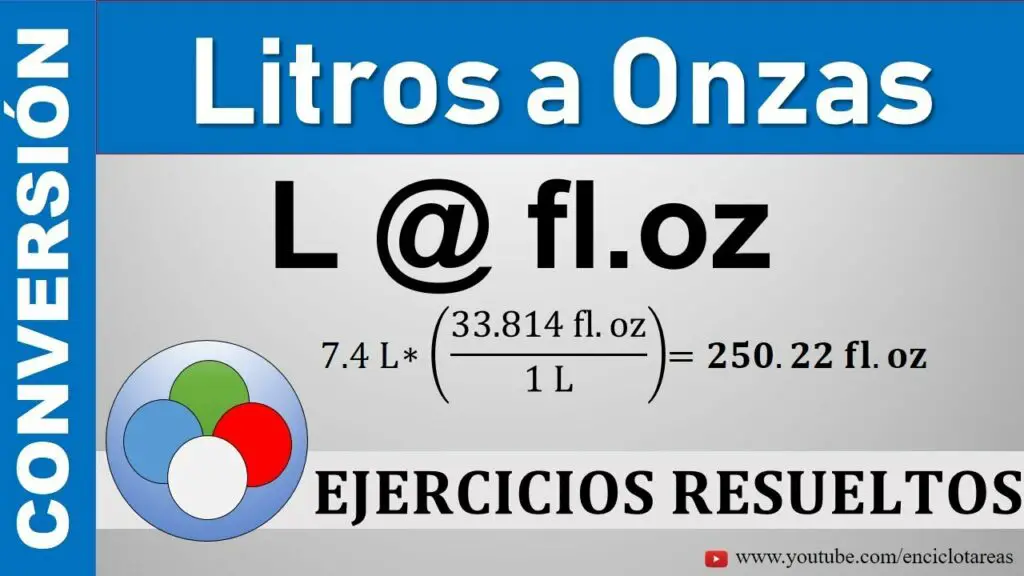
So, the burning question: how many ounces are in a liter? The answer is approximately 33.8 fluid ounces. It’s not a perfectly round number, which is why it can be a little tricky to remember. However, understanding this approximate conversion is more important than memorizing the exact figure. You can always use a calculator or online converter for precise calculations when needed.
Must Read
The benefits of knowing this conversion are plentiful. In the kitchen, imagine you're doubling a recipe that originally uses metric units. Knowing how many ounces are in a liter allows you to accurately scale the ingredients to match your U.S. standard measuring cups. Similarly, when traveling abroad, understanding the relationship between liters and ounces is invaluable when purchasing beverages or toiletries. You can quickly estimate how much of a product you're getting, and avoid any surprises when comparing prices.
In education, understanding the conversion between liters and ounces is fundamental to learning about volume and measurement in science and math. It helps students develop a better understanding of the metric and imperial systems, and how they relate to each other. This knowledge can be applied in various scientific experiments and calculations.
Here are a few practical tips for exploring this conversion further:
- Baking Experiment: Try baking a recipe that uses metric measurements, and convert them to ounces using your newfound knowledge. See how close you can get to the original result!
- Price Comparison: Next time you're shopping, compare the price per ounce of different products that are sold in both liters and ounces. This can help you find the best deals.
- Online Converters: Familiarize yourself with online unit converters. They’re a quick and easy way to convert between liters and ounces, and many other units of measurement.
- Everyday Estimations: Practice estimating the volume of different containers in both liters and ounces. This will help you develop a better intuition for the relationship between the two units.
Ultimately, understanding how many ounces are in a liter is about more than just numbers. It’s about empowering yourself with knowledge that makes everyday tasks easier and more efficient. So, embrace the metric system, explore the imperial system, and have fun converting! You might be surprised at how useful this little bit of information can be.