
Consumer Behavior Hoyer Pdf
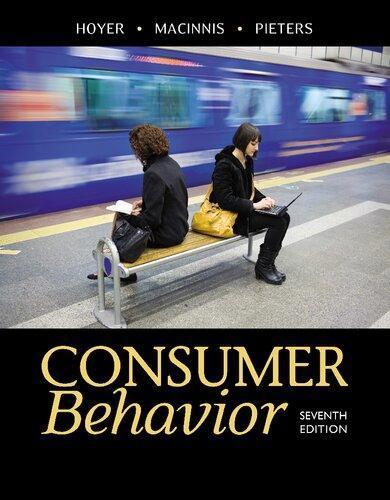
Ever wonder why you suddenly need that avocado toast, even though you swore off trendy breakfast foods last week? Or why you're inexplicably drawn to the flashy red sports car instead of the sensible beige sedan? Well, buckle up, because we're diving into the wonderfully weird world of consumer behavior!
And no, we're not talking about your Aunt Mildred's hoarding tendencies. We're talking about the psychology and sociology behind why we buy what we buy. Think of it as a peek behind the curtain of your own brain, but with more shopping carts and fewer philosophical debates.
The truth is, a whole lot more goes into our purchasing decisions than simply needing something. Our brains are like little detective agencies, constantly gathering clues from our surroundings, past experiences, and even our deepest desires. This detective work is often subconscious, which is what makes it so fascinating – and sometimes, so hilariously predictable.
Must Read
Enter Hoyer, the Guru of Goods
Now, if you really want to get your hands dirty with the nitty-gritty details of consumer behavior, you might stumble upon a name like Hoyer. Think of him as the Yoda of your spending habits. He's probably written a textbook or two (or maybe ten) filled with diagrams, charts, and enough academic jargon to make your head spin. But don’t worry, we’re not going there today.
Instead, let's imagine Hoyer, not as a stuffy professor, but as a friendly observer sitting in a coffee shop, watching the ebb and flow of customers. He's noticing things like how the aroma of freshly baked cookies makes people linger longer, or how the strategically placed display of impulse buys near the checkout always seems to snag a few extra sales.

He's the guy who understands that the font used on a cereal box can influence whether or not a child begs their parents for it. He's the reason why the "limited-time offer" works like a charm, exploiting our fear of missing out (FOMO). He's basically a wizard disguised as a marketing expert.
The Quirky Side of Consumption
One of the most amusing aspects of consumer behavior is how easily we're swayed by seemingly insignificant factors. Color, for example, plays a massive role. Think about it: How many times have you chosen a product based solely on its packaging? Companies know this, which is why they spend millions on branding and design. That vibrant blue might make you feel calm and trustworthy, while a splash of orange can trigger feelings of excitement and energy.

Then there's the power of social proof. We're social creatures, after all, and we tend to look to others for guidance. That's why online reviews are so influential. If hundreds of people rave about a particular blender, we're more likely to believe it's worth the investment, even if we secretly suspect we'll only use it to make smoothies twice a year.
And let’s not forget the influence of celebrity endorsements. Sure, we intellectually know that a famous actor probably doesn't actually use a particular brand of toothpaste every day. But deep down, we can't help but think that if it's good enough for them, it's good enough for us. It's a bit silly, really, but undeniably effective.
Beyond the Transaction: Consumption and Connection
But consumer behavior isn’t just about manipulating us into buying things we don't need. It's also about understanding our deeper motivations and aspirations. Sometimes, our purchases reflect our desire for belonging, for self-expression, or for a sense of identity.
That vintage record player you bought? It's not just about listening to music. It's about connecting with a bygone era, embracing a certain aesthetic, and perhaps even signaling your taste to others. That donation you made to your favorite charity? It's about feeling good about making a difference and aligning yourself with a cause you believe in.
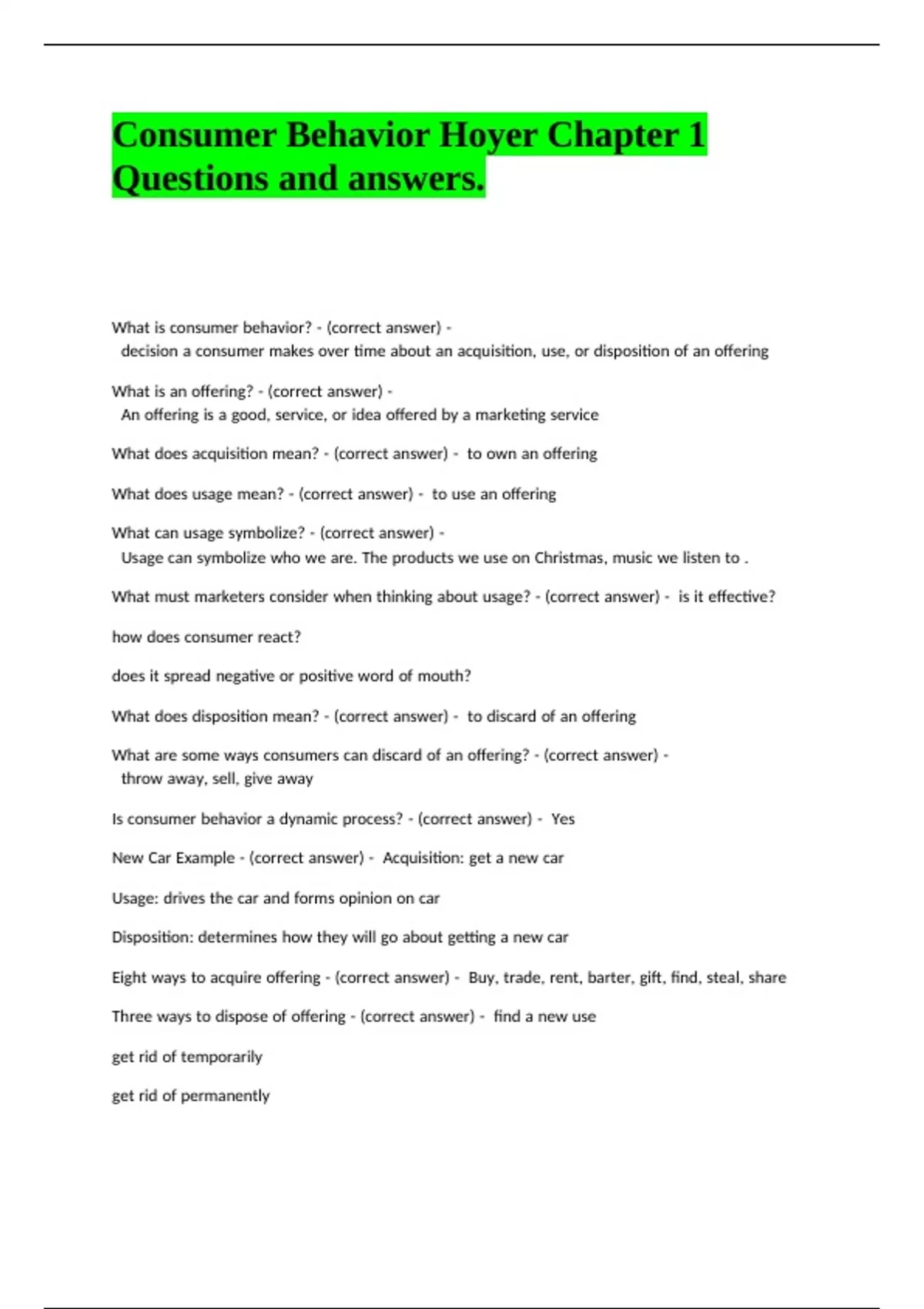
Ultimately, understanding consumer behavior – even on a surface level – can be incredibly empowering. It allows us to become more mindful of our own spending habits, to question our impulses, and to make more informed choices. Plus, it's just plain fun to observe the quirks and eccentricities of the human psyche in action.
So, the next time you find yourself reaching for that impulse buy at the checkout, take a moment to pause and ask yourself: what's really driving this decision? You might be surprised by the answer. And you might just save yourself a few bucks in the process. Thanks, Hoyer, wherever you are!