
Con Edison Charge Per Kwh

Okay, so you open your electricity bill, maybe you glance at it, maybe you just sigh and pay it. But have you ever really stopped to think about what you’re paying for? Specifically, that little phrase: Con Edison Charge Per Kwh? It might sound a bit dry, like something only an accountant would love, but trust me, there’s a whole cool world of energy wisdom hidden in there!
Let's peel back the layers and get a little curious about how we power our lives, NYC style. Because understanding this isn't just about saving a few bucks; it’s about grasping a fundamental part of our modern existence. It’s actually kinda neat!
So, What Even Is a Kwh?
First things first: kWh. It stands for kilowatt-hour. Think of it as the standard "unit" of energy that electricity companies like Con Edison use to measure how much power you're, well, consuming. It's not about how powerful something is (that's watts), but how much power it uses over time.
Must Read
Imagine it like this: if a 100-watt lightbulb stayed on for 10 hours, it would use 1 kWh of electricity. Or, charging your phone for about a year straight. Or, running a typical washing machine for one cycle. Pretty cool, right? It’s a tangible chunk of energy, and Con Ed charges you for each one you use. Simple as that, on the surface!
Why Don't They Just Charge a Flat Fee?
Good question! Why not just say "$50 a month for power!"? Well, because everyone uses electricity differently, at different times, and in different amounts. Charging per kWh is the fairest way to ensure you only pay for what you actually consume. It’s like buying groceries; you pay for each apple, each loaf of bread, not just a flat fee for walking into the supermarket.
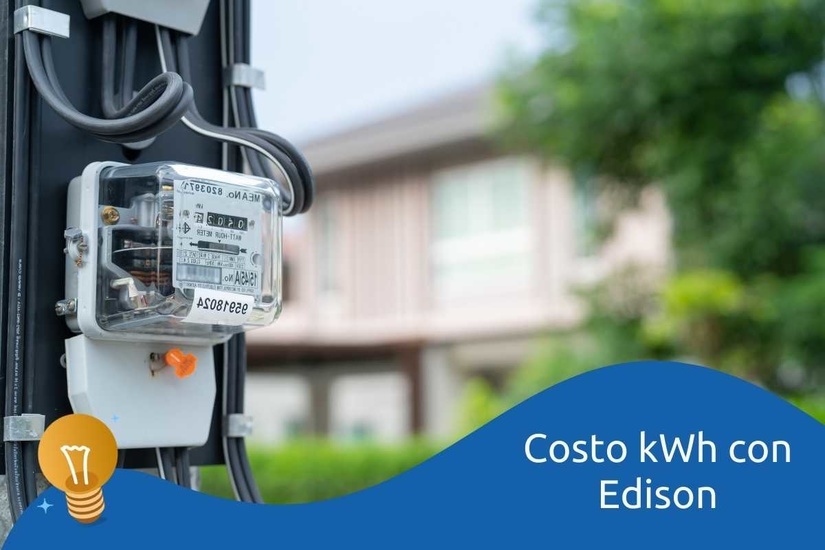
Con Edison, as the electric utility giant for New York City and Westchester, has a huge job. They're not just flipping a switch somewhere; they're managing a massive, complex network that brings power from various sources (power plants, solar farms, etc.) right to your apartment or office. And that takes a lot of infrastructure, maintenance, and planning. Your per-kWh charge helps cover all that.
The Cool Part: Supply vs. Delivery
Here’s where it gets really interesting, and something many folks don’t realize. Your Con Ed bill isn't just one big number; it’s usually split into two main components when it comes to the per-kWh charge:
![Con Edison Electric Bill [Rates, Billing Sample, & Charges]](https://www.electricrate.com/wp-content/uploads/2022/03/con-edison-utility-bill-sample.png)
- Supply Charge: This is what you pay for the actual electricity itself. It’s the energy product. Think of it like buying the ingredients for a meal.
- Delivery Charge: This is what Con Edison charges to get that electricity from wherever it was generated all the way to your specific home or business. This covers their vast network of wires, poles, transformers, and the folks who keep it all running. It’s like paying for the delivery service that brings your groceries to your door.
Why is this cool? Because in many areas, you actually have a choice about who supplies your electricity! Con Edison will always handle the delivery (they own the grid), but you might be able to choose a different energy service company (ESCO) for your supply. These ESCOs might offer different rates, or specific plans like 100% renewable energy options. How awesome is that? It means you have a say in where your energy comes from, making your kWh charge a lot more dynamic than you might think.
Peak vs. Off-Peak: The Secret Sauce
Another layer of fascinating complexity (and potential savings!) comes from something called time-of-use pricing, often referred to as peak versus off-peak hours. Ever notice how traffic is worse during rush hour? Same principle for electricity!

During certain times of the day, usually when everyone wakes up and gets ready, or when they come home from work and turn on everything, there’s a huge demand for electricity. These are peak hours. During these times, it actually costs Con Edison more to meet that demand, sometimes requiring them to fire up less efficient power plants. So, to encourage people to spread out their usage, the per-kWh charge might be higher during peak hours.
Conversely, late at night or early in the morning, demand is much lower. These are off-peak hours, and the per-kWh charge is often lower. This isn’t just about making you pay more; it’s a smart way to manage the entire energy grid, making it more efficient and stable for everyone. It’s like getting a discount at a restaurant for eating an early bird special!

Understanding this can totally change your energy habits. Can you run your dishwasher or do laundry later in the evening? Maybe charge your electric car overnight? Suddenly, your per-kWh charge isn’t just a number; it’s an invitation to be a smarter, more efficient energy user. And that's pretty powerful, both for your wallet and the environment!
Connecting the Dots
So, the next time you see "Con Edison Charge Per Kwh" on your bill, don’t just glaze over it. Think about the incredible network behind it, the choices you might have, and the subtle ways your daily habits can impact that charge. It’s a tiny window into the vast, intricate system that powers our modern lives, making our cities hum and our devices glow.
Who knew a few letters and a number could be so interesting? It’s not just a charge; it’s a story of supply, demand, infrastructure, and your own energy footprint. Pretty cool, huh?