
Como Se Dice Teñir El Cabello En Ingles
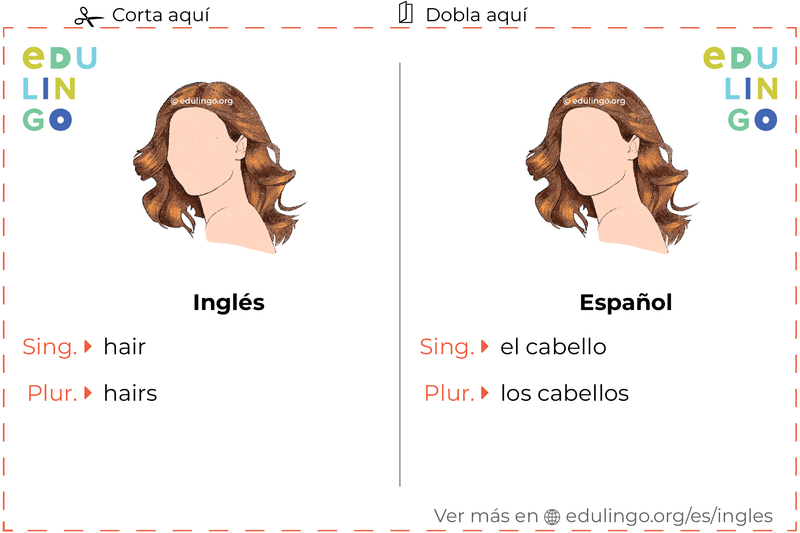
Ever found yourself chatting with your Spanish-speaking friends about, well, you and your hair adventures? Maybe you're fresh off a salon visit and want to brag about that gorgeous new color. Or perhaps you're just contemplating a change. But then…the word fails you. You can't quite nail how to say "dye your hair" in English. Don't sweat it, amigo! We've all been there.
This isn’t just about knowing a word; it’s about connecting. It's about sharing your experiences and being understood. Think of it as unlocking a little piece of your personality in another language. Trust me, that feeling is pretty darn cool.
So, How Do You Say It?
The most common and straightforward way to say "teñir el cabello" in English is "to dye your hair." Simple, right? You can use it in most everyday conversations. For instance:
Must Read
"I'm going to dye my hair blonde next week."
"Have you ever dyed your hair a crazy color?"
See? Easy peasy, lemon squeezy.

But wait! There's more! Like with many things language-related, there are other options depending on the nuance you want to convey.
Another option is "to color your hair." While "dye" is perfectly acceptable, "color" can sound a bit softer, less…permanent. Think of it this way: "dye" might conjure up images of a drastic transformation, while "color" suggests a more subtle enhancement. Imagine someone gently applying highlights versus completely changing their hair from brunette to platinum blonde. That's the difference.
"She's thinking about coloring her hair red."

"I decided to color my hair a shade darker."
Feeling adventurous? You might also hear people use the phrase "to get your hair dyed." This phrasing focuses more on the action being done to you, often at a salon. It's less about you doing the dyeing and more about the process you're undergoing.
"I'm going to get my hair dyed at the salon tomorrow."
"She got her hair dyed a beautiful shade of auburn."

Why Bother Learning This?
Okay, you might be thinking, "So what? I can just point at my hair and mime coloring motions." And sure, you could. But think about the joy of effortlessly slipping into a conversation, describing that amazing ombré you just got, or swapping horror stories about DIY dye jobs gone wrong (we've all been there, right?).
Knowing how to talk about something seemingly simple like dyeing your hair can open doors to richer, more authentic conversations. It lets you express yourself fully and connect with people on a deeper level. It's about sharing a piece of yourself, your style, your little quirks, in a language other than your own.
Imagine you're visiting a Spanish-speaking country and spot a local with the most incredible hair color. Wouldn't it be amazing to be able to compliment them properly? To ask them where they got it done, what products they use? Knowing the simple phrase "to dye your hair" can spark a whole new connection.
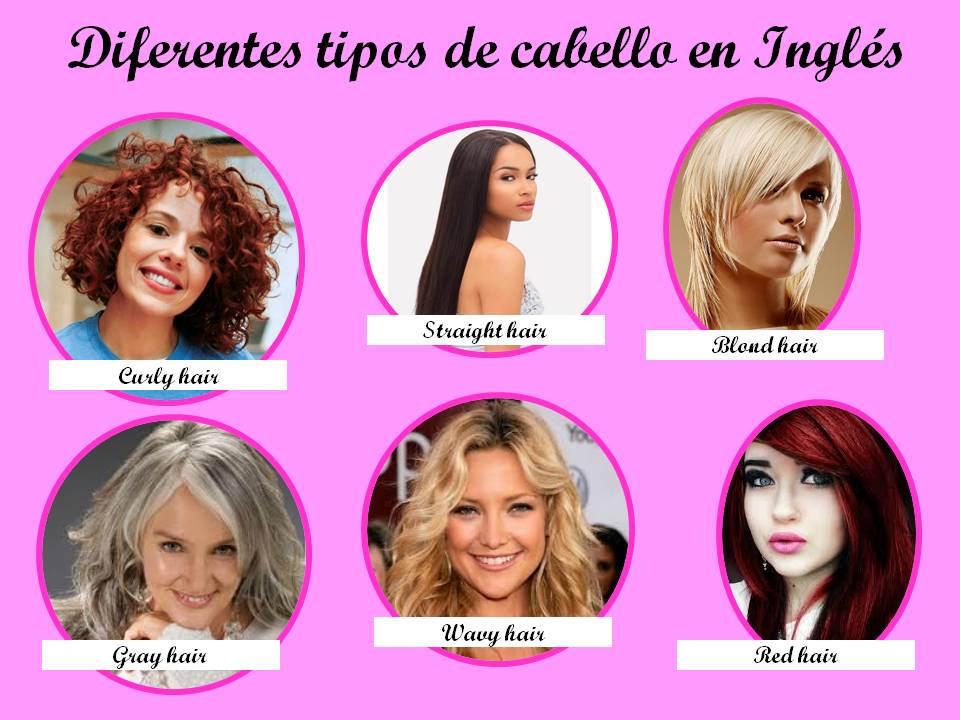
Think of it like this: learning a new phrase is like adding a new ingredient to your linguistic recipe book. It makes your conversations richer, more flavorful, and ultimately, more satisfying. And who knows, maybe your newfound knowledge will inspire someone else to take the plunge and try a new hair color too!
Don't Be Afraid to Experiment!
Language learning should be fun! Don't worry about being perfect. Start with the basics – "to dye your hair" or "to color your hair" – and gradually add in other phrases as you become more comfortable. Listen to how native English speakers talk about hair color and pay attention to the nuances.
So next time you're chatting with your Spanish-speaking friends, don't hesitate to dive in and talk about your hair adventures. Embrace the opportunity to express yourself in a new way. And remember, even if you make a mistake, it's all part of the learning process. After all, a little linguistic "dye job" can be a fun and rewarding experience!
Now go forth and dye, I mean, conquer the world of English hair-related conversations!