
Colorado Law Carbon Monoxide Detectors
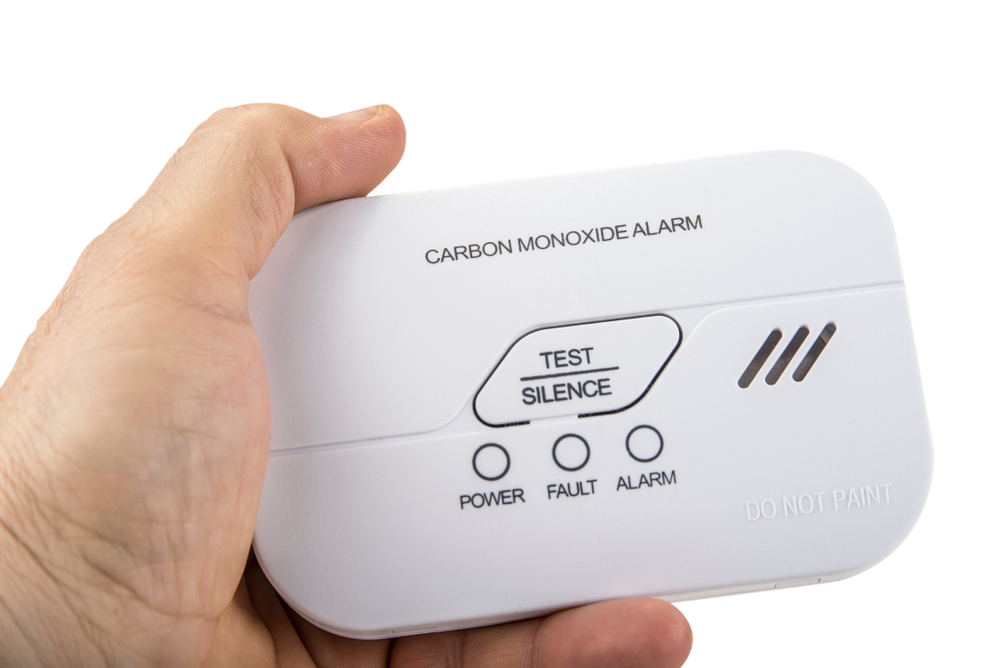
Okay, so picture this: It's 2 AM, deep in a rented cabin somewhere west of Vail. Snow's falling like crazy, and I'm dreaming about... well, I can't quite remember, probably something involving hot cocoa and no deadlines. Suddenly, this shrill, insistent chirping rips through the silence. My heart rate shoots up like a rocket. My first thought? Bear. My second? Fire. My third, as I fumble for my phone flashlight, squinting at the ceiling, was, "Oh my god, it's the carbon monoxide detector!"
Turns out, after a frantic few minutes of checking the furnace and opening windows in the frigid air, it was just the battery dying. Phew. But let me tell you, that heart-stopping moment was a potent reminder of just how important those little gadgets are. And it got me thinking, especially since we're in Colorado, about what the law actually says about these silent protectors. Because, spoiler alert, Colorado doesn't mess around when it comes to keeping us safe from the "silent killer."
What's the Deal with CO, Anyway?
Before we dive into the legal stuff, let's just quickly refresh why CO detectors are so crucial. Carbon monoxide is literally an
Must Read
If you breathe it in, CO replaces oxygen in your blood, and that's
Colorado Law & Your CO Detector
Alright, down to brass tacks. In Colorado, the law primarily focuses on rental properties and new constructions. This is super important if you're a landlord, a renter, or even if you're just building a new home.

As of 2009, Colorado enacted a law (C.R.S. § 38-12-1001 to 1007, for you legal eagles out there) that requires carbon monoxide detectors in certain residential buildings. What does that mean in plain English?
Rental Properties: If you're renting out a place in Colorado, and it has a fuel-fired heater, appliance, or an attached garage, you
must provide and maintain a working carbon monoxide detector. That's right, landlords, this one's on you! You need to ensure it's functioning at the start of a tenancy. After that, generally, the tenant is responsible for battery replacement and notifying the landlord of any issues. But initially, it's the landlord's gig.New Construction: For new residential construction, if the home has a fuel-fired appliance or an attached garage, CO detectors are also required. This ensures safety from day one.
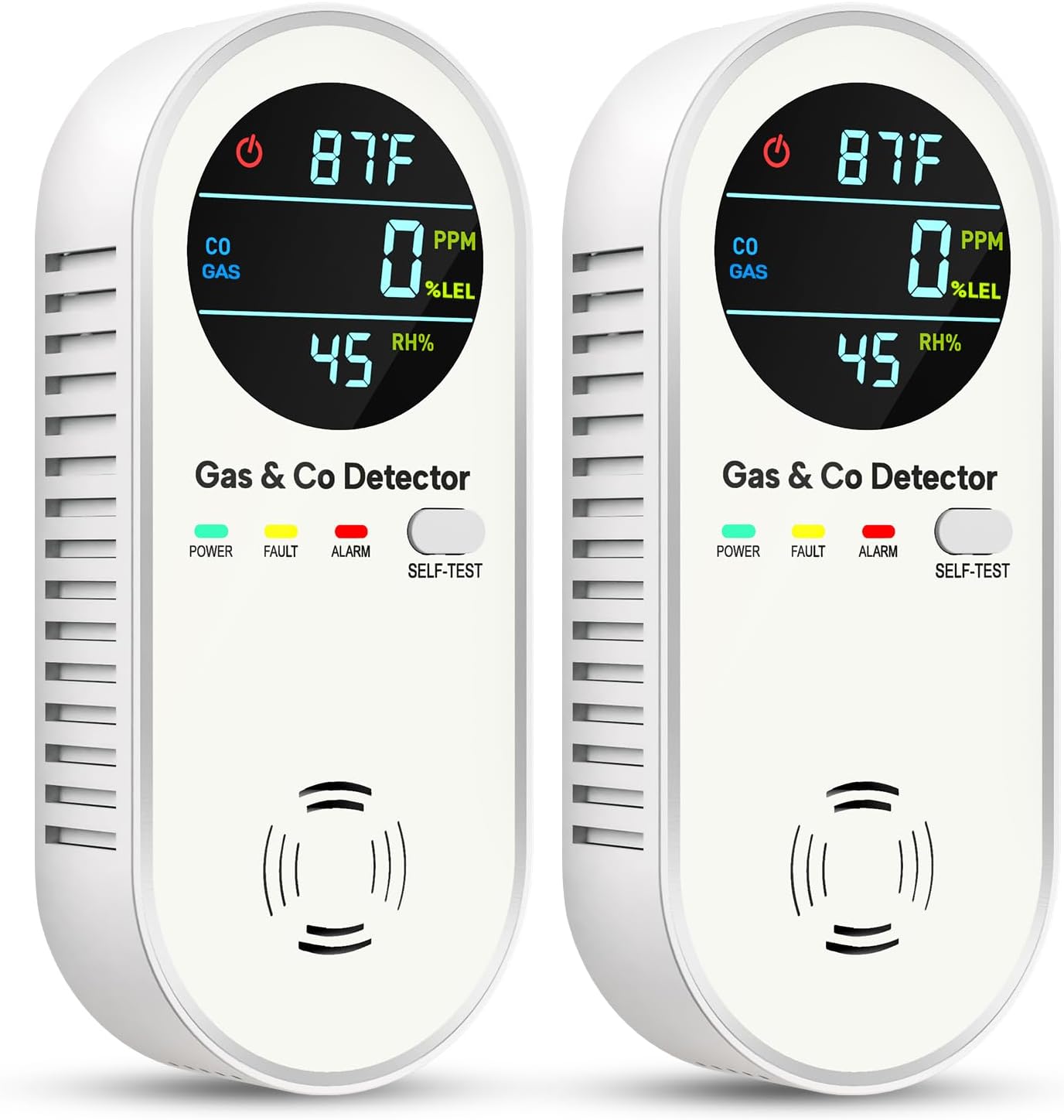
4-in-1 Natural Gas Leak Detector & Carbon Monoxide Detectors - Carbon
You might be wondering, "What about my own house, if I own it and it's not new construction?" Great question! While the law doesn't explicitly mandate existing owner-occupied homes to have them in the same way it does rentals or new builds, it's an absolute no-brainer. Think of it as a
Where to Put 'Em and How to Maintain 'Em
The law also gets a bit specific about placement, and this is good info for everyone:

Detectors should be installed within 15 feet of every sleeping area. So, if you've got multiple bedrooms, you're likely going to need more than one detector. Think about it: you want that alarm blaring when you're most vulnerable, i.e., asleep.
They should be in working condition. This means checking those batteries regularly (usually twice a year, like when you change your clocks for daylight saving time – easy trick!).
CO detectors don't last forever! Most have an expiration date, usually around 5-7 years. After that, the sensors can become less reliable. So, check the back of your unit and make a note to replace it when its time is up. It's a small investment for such crucial protection.

Carbon Monoxide detector required by law in Colorado - Mimi Foster
For landlords, failure to comply with the CO detector law can result in fines and legal headaches, on top of the immense moral responsibility. Not worth it, trust me.
Final Thoughts: Breathe Easy, Colorado!
So, there you have it. That little chirping event at 2 AM was a dramatic, albeit harmless, reminder that these devices are lifesavers. Colorado's law is a fantastic step in ensuring that at least in rental properties and new homes, residents are protected from this silent threat. But regardless of whether you're mandated by law or not, please, please, please make sure you have working carbon monoxide detectors in your home.
It’s one of those things you hope you never need, but when you do, it could make all the difference. Stay safe out there, my fellow Coloradans, and let's all breathe a little easier knowing we're protected!