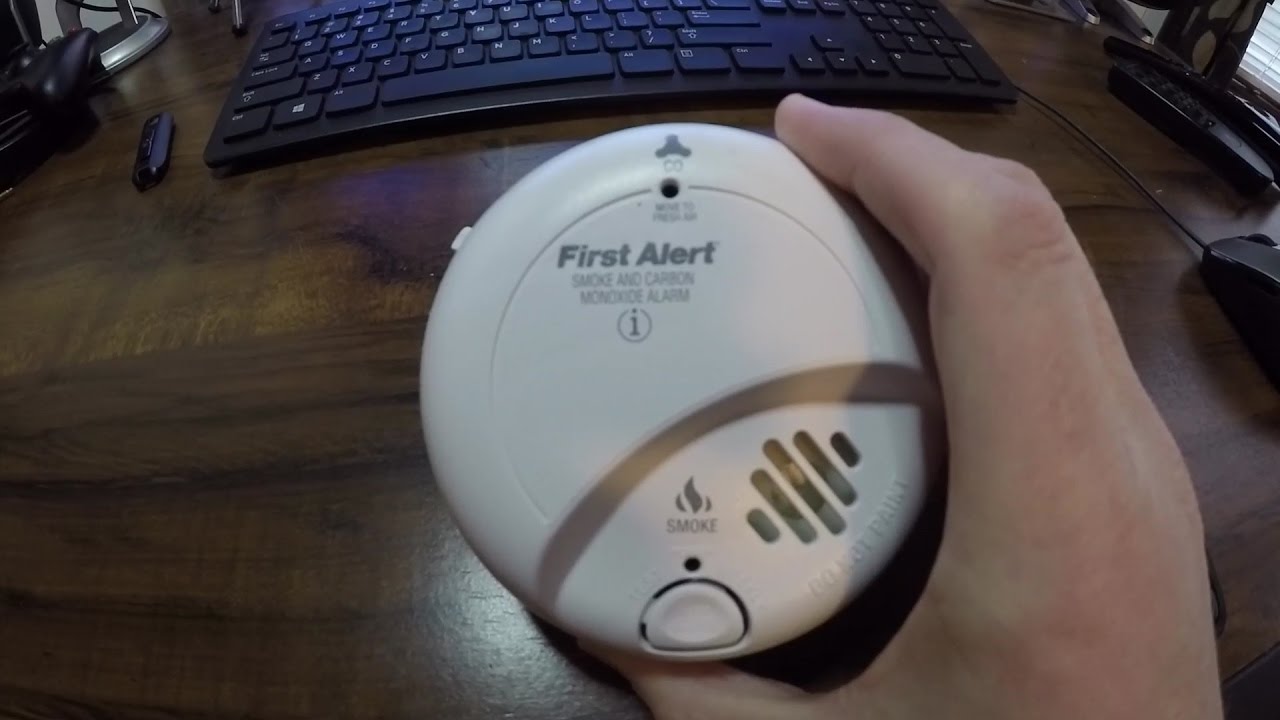
Changed Battery On Smoke Detector And Still Beeping

Ah, the smoke detector. Our tiny, circular sentinel of safety. It's there, quietly watching over us, ready to shriek at the first whiff of danger (or burnt toast). But then, the dreaded chirp begins. That insistent, tiny beep that feels like it’s drilling directly into your brain. Your first thought? "Aha! Low battery!" You bravely ascend the step stool, wrestle the cover off, swap out the old battery for a shiny new one, and then... you wait. Silence. Victory! Until, five minutes later, it starts beeping again!
If you've ever found yourself in this infuriating, yet strangely universal predicament, you're not alone. This isn't just a minor household annoyance; it's a rite of passage! It’s fun because it brings out the amateur detective in all of us, useful because a silent smoke detector is a useless one, and popular because, well, everyone with a smoke detector has been there. Understanding why this happens isn't just about preserving your sanity; it's about ensuring your home's most vital safety device is always in top working order.
So, why does your smoke detector continue its ear-piercing serenade even after a fresh battery swap? It’s often not a conspiracy, but rather a simple misunderstanding of how these clever little gadgets operate. The main purpose of knowing these fixes is to restore peace and quiet to your home, ensure your smoke detector is actually ready to detect smoke, and potentially save you from unnecessarily buying a new unit when a simple reset would do the trick. Plus, you get to feel like a household hero!
Must Read
One of the most common culprits is something called a residual charge. Even after removing the old battery, the detector's internal capacitors can retain a small amount of power, enough to trigger that "low battery" warning a few more times. It's like your phone thinking it's still running on fumes, even after you've plugged it in. The solution? A good old-fashioned reset! To perform this "Grand Reset," simply remove the smoke detector from its mounting base and take out the battery. Then, press and hold the "Test" button for 15-20 seconds. This will drain any remaining charge, effectively "rebooting" the system. Reinsert the battery, reattach the detector, and listen for the sweet sound of silence (or a single, reassuring beep).
Another sneaky reason could be that your "new" battery isn't as new as you think. Did you grab it from the back of the drawer where it's been mingling with paperclips for a year? Or perhaps it wasn't seated correctly. Always ensure you're using a fresh, quality battery and that it's inserted firmly in the correct orientation. Sometimes, if the detector is dusty, a quick vacuum around the vents can also help. Believe it or not, excessive dust can sometimes mimic a fault or obstruct sensors.

And here's the kicker, the one that often catches people off guard: smoke detectors have an expiration date! Most units are designed to last about 8-10 years. After this period, their sensors become less reliable, and they'll often start chirping intermittently as an "end-of-life" warning, regardless of how new the battery is. Check the back of your unit for a manufacturing date or "replace by" date. If it's past its prime, no amount of battery changing or resetting will help; it’s time for a brand-new sentinel.
So, the next time your smoke detector goes rogue after a battery change, don't despair! Remember the Grand Reset, double-check your battery, give it a quick clean, and most importantly, check that expiration date. A functional smoke detector is paramount for home safety, and with these simple tricks, you can keep yours vigilant and your household blissfully quiet. You've got this!