
Chamberlain University Turnitin Policy

Hey everyone! Ever wondered how universities, especially somewhere like Chamberlain University, make sure everyone's playing fair when it comes to assignments? Well, buckle up, because we're diving into the world of Turnitin! It's not as scary as it sounds, promise. In fact, it's actually pretty interesting when you think about it.
Think of Turnitin like a super-powered spell checker, but instead of just finding typos, it's looking for…well, let’s call them similarities. You know, places where your work might accidentally (or not so accidentally) resemble something already out there in the vast digital universe.
What's the Big Deal with Turnitin?
Okay, so what's the buzz all about? Why does Chamberlain University (and tons of other schools) even bother with this thing? Simple: Academic integrity. It's all about making sure your work is your work. We're talking about original ideas, your unique perspective, and giving credit where credit is due.
Must Read
Imagine you're baking a cake. You wouldn't just steal someone else's cake and claim you made it, right? That's just...wrong! The same goes for academic work. Turnitin helps make sure everyone is baking their own cakes, so to speak. It's like having a digital recipe checker to make sure you're using your own ingredients and following your own method.
How Does It Actually Work?
Alright, let’s get a little techy (but not too techy). When you submit an assignment through Chamberlain's system that's linked to Turnitin, it’s not just sitting there. It's whisked away to this giant database, which is like a massive library of everything ever submitted to Turnitin, plus tons of stuff from the internet – websites, articles, books, you name it.

Then, Turnitin compares your work to everything in its database. It’s looking for sections of text that match or are very similar to existing sources. The result? An Originality Report. This report highlights any potential instances of plagiarism and gives your instructor a heads-up.
Decoding the Originality Report: Not a Panic Button!
So, you get your Originality Report back, and it shows a percentage. Say, 15%. Does that mean you're automatically in trouble? Nope! A percentage simply reflects how much of your paper matches existing sources. But remember, even quoting someone correctly will show up as a match.
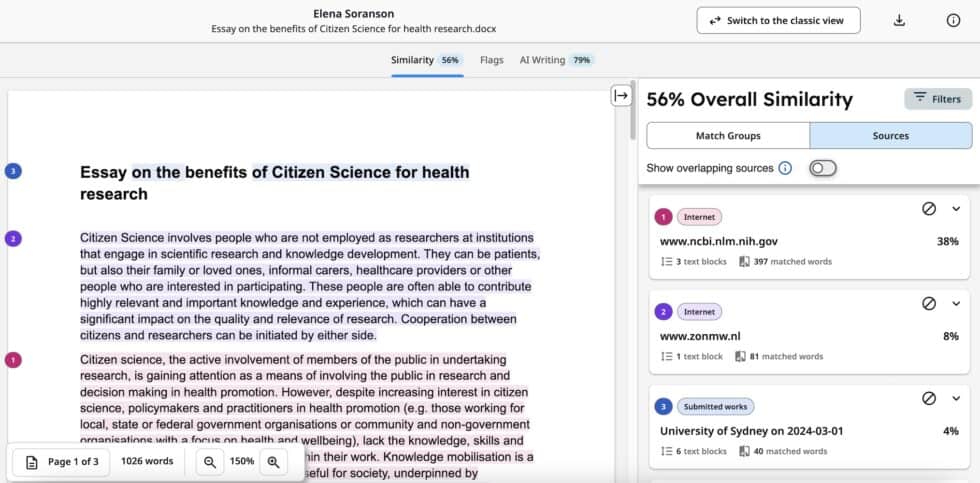
Think of it like this: if you're writing an essay on Shakespeare, you're probably going to quote Shakespeare! Turnitin will flag that, but that’s perfectly fine as long as you've properly cited your sources.
The instructor reviews the report, looks at the highlighted sections, and determines if there’s a genuine issue. They’re looking for things like improperly cited sources, large chunks of text copied without attribution, or blatant instances of plagiarism. It's all about context and intent.

Chamberlain's Stance: Education First
What's cool about Chamberlain University's approach is that it focuses on learning. Turnitin isn't just a tool for catching students doing wrong. It's a tool to help students understand how to properly cite sources, avoid unintentional plagiarism, and develop their own original ideas. Think of it as a learning tool rather than a gotcha tool.
They understand that mistakes happen. Maybe you forgot a citation, or maybe you didn't quite understand how to paraphrase correctly. The goal is to help you learn from those mistakes and become a stronger, more ethical scholar.
Tips for Turnitin Success (and Peace of Mind!)
Okay, so how can you make sure you're using Turnitin to your advantage and not stressing out unnecessarily? Here are a few golden rules:
- Cite Everything! When in doubt, cite it! It's always better to be over-cautious than to risk plagiarism.
- Paraphrase Carefully: Don't just change a few words in a sentence. Truly understand the concept and re-write it in your own words.
- Start Early: Don't wait until the last minute to write your paper. Give yourself time to research, write, and properly cite your sources.
- Understand Chamberlain's Policy: Familiarize yourself with Chamberlain University's specific policies on academic integrity and plagiarism.
- Ask for Help: If you're confused about citation or paraphrasing, ask your professor or a librarian for help. They're there to support you!
Turnitin isn't the enemy. It's a tool designed to help you grow as a student and become a responsible, ethical scholar. By understanding how it works and following these simple tips, you can use it to your advantage and achieve academic success!
So, next time you hear the word "Turnitin," don't panic! Just remember it's like a friendly (and very thorough) assistant, helping you make sure your academic "cake" is baked to perfection, all your own ingredients and method!