
Causes Of Death After Stem Cell Transplant

So, you've heard of stem cell transplants, right? Sounds like something out of a sci-fi movie, doesn't it? But it's a real-life medical procedure that can be a total game-changer for people battling some serious illnesses.
But like any major medical intervention, there are potential bumps in the road. Let's peek behind the curtain and chat about what can, on occasion, cause someone to… well, not make it through, after a stem cell transplant. Think of it as understanding the risks of climbing Mount Everest – you want to be prepared!
The Post-Transplant Landscape: A New Beginning, but a Delicate One
Imagine your body as a garden. A stem cell transplant is like ripping out all the old plants (the diseased cells) and planting new ones (the healthy stem cells). The new plants need time to take root and grow, leaving the garden vulnerable for a while.
Must Read
That vulnerability is key. A patient's immune system is basically at zero during this "engraftment" period, as doctors call it. Meaning, their body can't fight off infections like it used to. It's like walking around in a bubble, only the bubble isn't always airtight.
Infection: The Uninvited Guest
Infection is a biggie. With the immune system temporarily out of commission, even a common cold can become a serious threat. Think of it like this: a mosquito bite isn't usually a big deal. But to someone whose immune system is down, it's like being attacked by a swarm of killer bees!
Bacteria, viruses, fungi – they all see this as an open invitation to party. Doctors work hard to prevent infections with antibiotics, antivirals, and antifungal medications, but sometimes, those pesky germs still sneak in. Prevention is key.
Graft-versus-Host Disease (GvHD): The Friendly Fire
Okay, this one's a bit trickier. GvHD is like a civil war inside the body. The new stem cells, which come from a donor (unless it's an autologous transplant, where they use your own cells), recognize the recipient's body as foreign. It's like moving to a new country and thinking all the locals are speaking gibberish and wearing strange hats.
So, they attack! The new cells see the recipient's tissues as the enemy and launch an assault. This can affect the skin, liver, gut, and other organs. GvHD can be acute (happening soon after the transplant) or chronic (developing later). It’s a complicated dance that doctors try to manage with immunosuppressant drugs.
Think of it as trying to negotiate a peace treaty between two warring factions. It's a delicate balancing act – you want the new stem cells to do their job and kill the diseased cells, but you don't want them to go overboard and attack everything in sight!

Relapse: The Unwelcome Return
Sometimes, despite the transplant, the original disease comes back. This is called a relapse. Imagine you've cleaned your house from top to bottom, but a few dust bunnies manage to survive under the couch. They start multiplying again, and before you know it, the house is dusty all over again!
Relapse can happen if some of the diseased cells were resistant to the initial treatment or if they were hiding out in places the transplant couldn't reach. It's a tough blow, but doctors have other tricks up their sleeves to fight it, like chemotherapy, radiation, or even another transplant.
Organ Damage: The Wear and Tear
The intense treatments leading up to a stem cell transplant – chemotherapy and/or radiation – can take a toll on the body. These treatments are like using a sledgehammer to crack a nut – they're effective, but they can also cause collateral damage.
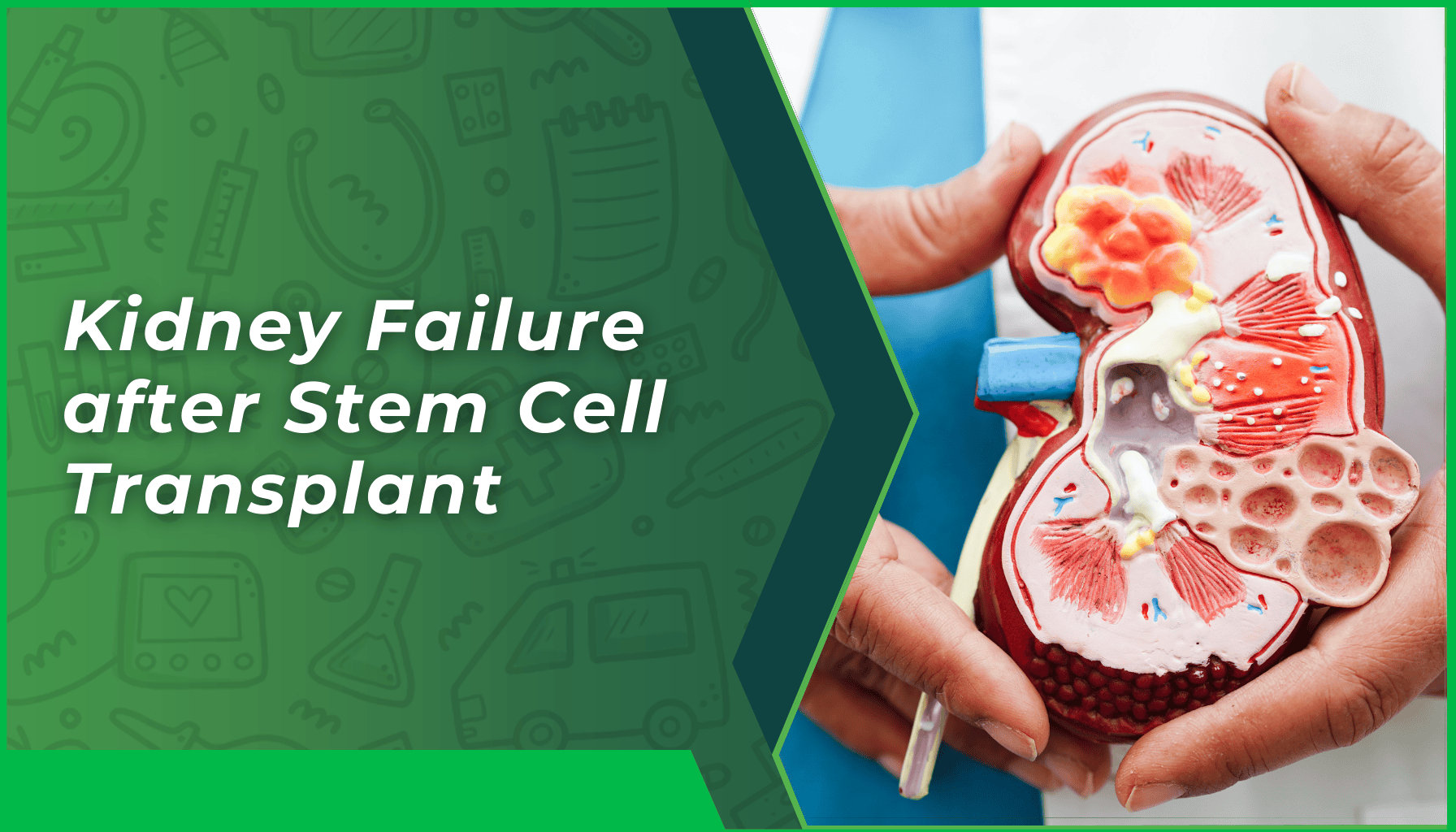
Organs like the heart, lungs, liver, and kidneys can be affected. Imagine your car after a long, bumpy road trip. It might need some repairs and maintenance to get back into top shape. Similarly, after a transplant, doctors monitor the patient's organs closely and provide supportive care to help them recover.
Veno-Occlusive Disease (VOD)/Sinusoidal Obstruction Syndrome (SOS): The Plumbing Problem
This one's a mouthful! VOD/SOS is like a plumbing problem in the liver. The small blood vessels in the liver get blocked, leading to liver damage. It can cause fluid retention, jaundice (yellowing of the skin and eyes), and other complications. Early detection and treatment are key.
Imagine a traffic jam in your liver's highway system. The cars (blood cells) can't get through, causing everything to back up. Doctors use medications to try to clear the blockage and get things flowing smoothly again.

The Good News: Progress and Hope
Now, don't get discouraged! While these complications can happen, it's important to remember that stem cell transplants are becoming safer and more effective all the time. Medical science is constantly advancing, and doctors are getting better at preventing and managing these issues.
Think of it like airplanes. Early airplanes were pretty risky, but now, flying is incredibly safe. Similarly, stem cell transplants have come a long way, and the survival rates are improving. Researchers are constantly developing new and improved techniques.
Plus, there's the human factor. The dedication and compassion of doctors, nurses, and other healthcare professionals make a huge difference. They're the pit crew, cheering you on and helping you navigate the bumps in the road. And, most importantly, the patients themselves – their courage, resilience, and determination are truly inspiring. They're the drivers, steering their way towards a healthier future!
So, while the journey of a stem cell transplant can be challenging, it's also a journey of hope. A chance at a new beginning. A testament to the power of science and the strength of the human spirit. And that's something worth celebrating!