Causes And Effects Of Tornadoes Wikipedia
Let's be honest, who hasn't lost a few hours (or maybe a whole afternoon!) diving down a Wikipedia rabbit hole? Whether you're fact-checking a fiery debate, brushing up on a historical event, or simply satisfying a random curiosity, Wikipedia is a treasure trove of information. And when it comes to understanding the raw power of nature, like the destructive force of a tornado, Wikipedia can be an invaluable resource.
The beauty of Wikipedia lies in its accessibility and breadth. It provides a starting point for almost any topic imaginable, offering a concise overview and connecting you to a network of related information. For everyday life, this means you can quickly learn about complex subjects without needing to sift through dense academic papers or rely on biased news sources. Need to understand the basics of climate change before a family discussion? Wikipedia's got you covered. Want to learn about the history of your town? Chances are, Wikipedia has an entry for that too.
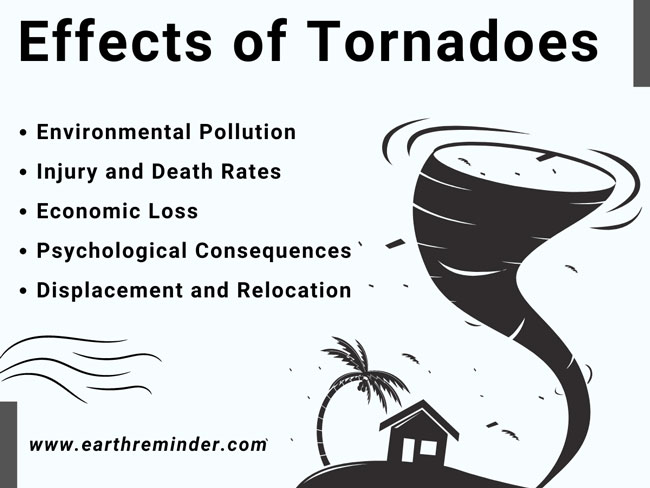
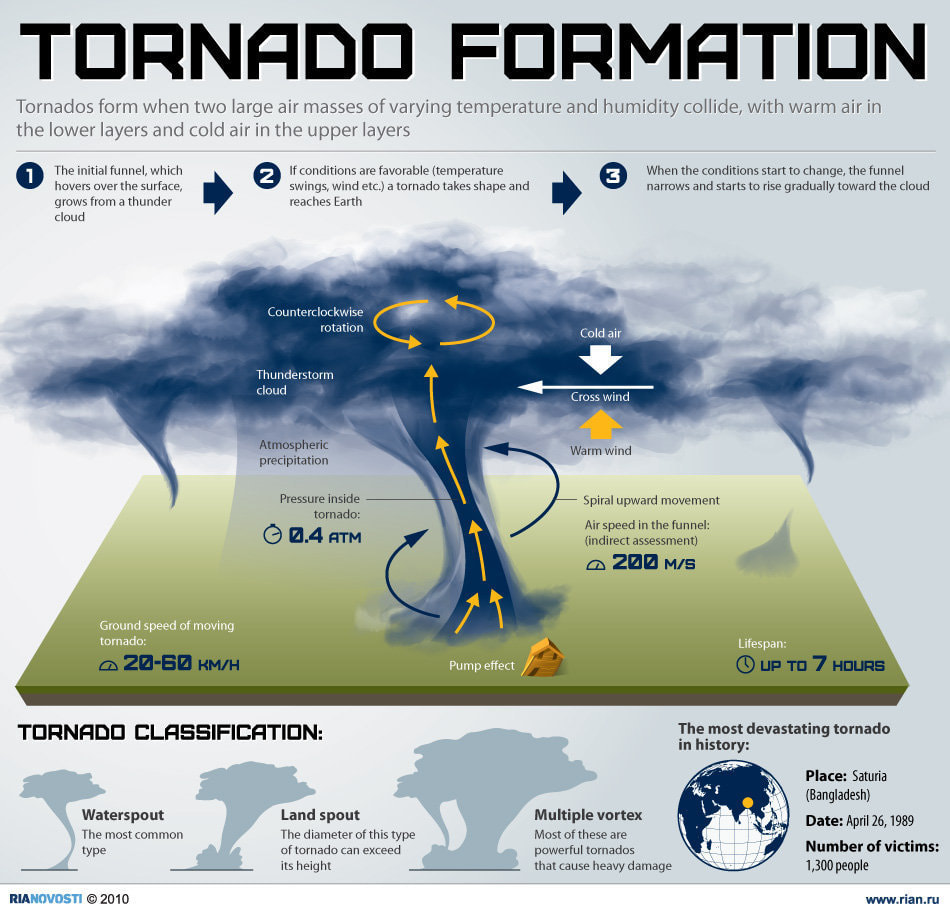
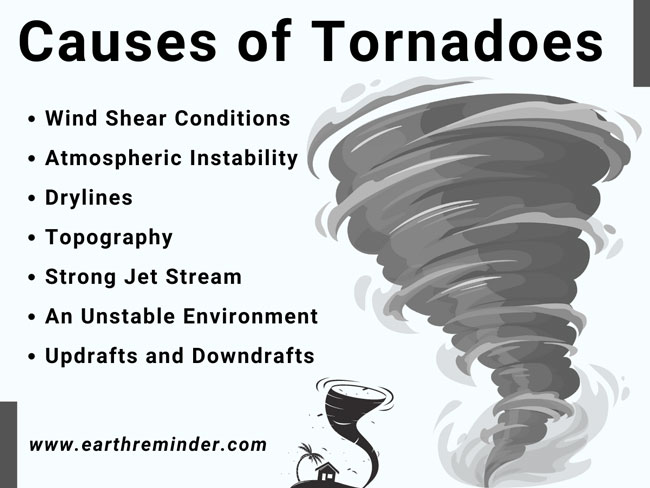
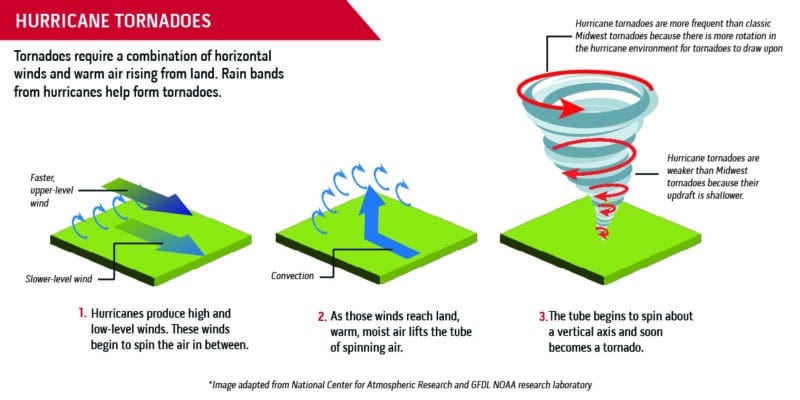
Think about researching causes and effects of tornadoes. A Wikipedia article will likely explain the atmospheric conditions that lead to tornado formation – the collision of warm, moist air with cool, dry air, and the role of supercell thunderstorms. It will delve into the Fujita scale (or the Enhanced Fujita scale) to classify tornado intensity, and detail the devastating effects these storms can have on communities, from property damage and infrastructure collapse to, tragically, loss of life. It's this comprehensive approach that makes Wikipedia so useful.
Must Read
Common examples of how people use Wikipedia's tornado information abound. Students might use it for research projects. Homeowners in tornado-prone areas might use it to better understand the risks and prepare emergency plans. Journalists might use it to quickly verify facts during breaking news events. Even storm chasers might use it to review meteorological information and understand the conditions that favor tornado development.
But how can you make your Wikipedia experience even more effective? Here are a few practical tips:
- Be critical: Remember that Wikipedia is a collaborative encyclopedia. While generally reliable, it's always wise to cross-reference information with other reputable sources, especially for sensitive or critical topics.
- Check the citations: Wikipedia articles are strengthened by their citations. Look for articles with plenty of references to peer-reviewed journals, reputable news organizations, and authoritative websites. These links are gold!
- Explore the "Talk" page: The "Talk" page associated with each article contains discussions among editors about the content. You can often gain valuable insights into the article's evolution and any controversies surrounding the topic.
- Contribute! If you have expertise in a particular area, consider contributing to Wikipedia. Adding information, correcting errors, or improving the clarity of existing articles helps to strengthen the platform for everyone.
- Don't get lost: It's easy to get sidetracked while browsing Wikipedia! Be mindful of your original goal and avoid getting too caught up in irrelevant tangents (unless, of course, you're enjoying the ride!).
So next time you find yourself wondering about the intricacies of severe weather or the intense power of a tornado, remember that Wikipedia can be a powerful tool. Use it wisely, and you'll be amazed at the knowledge you can unlock. Just be prepared to lose a few hours in the process!