Carbon Monoxide Poisoning From Air Conditioning
Ever thought about the humble air conditioner? It’s a marvel, isn't it? Bringing sweet relief on a sweltering day, turning a sticky room into a sanctuary of cool comfort. We rarely give it a second thought beyond flipping a switch. But here’s a curious little secret, or rather, a less-known aspect of home safety that involves our beloved ACs, and it’s surprisingly important to understand. It’s not about the AC itself being dangerous, but rather how certain situations around it can lead to a sneaky, silent threat: carbon monoxide (CO) poisoning.
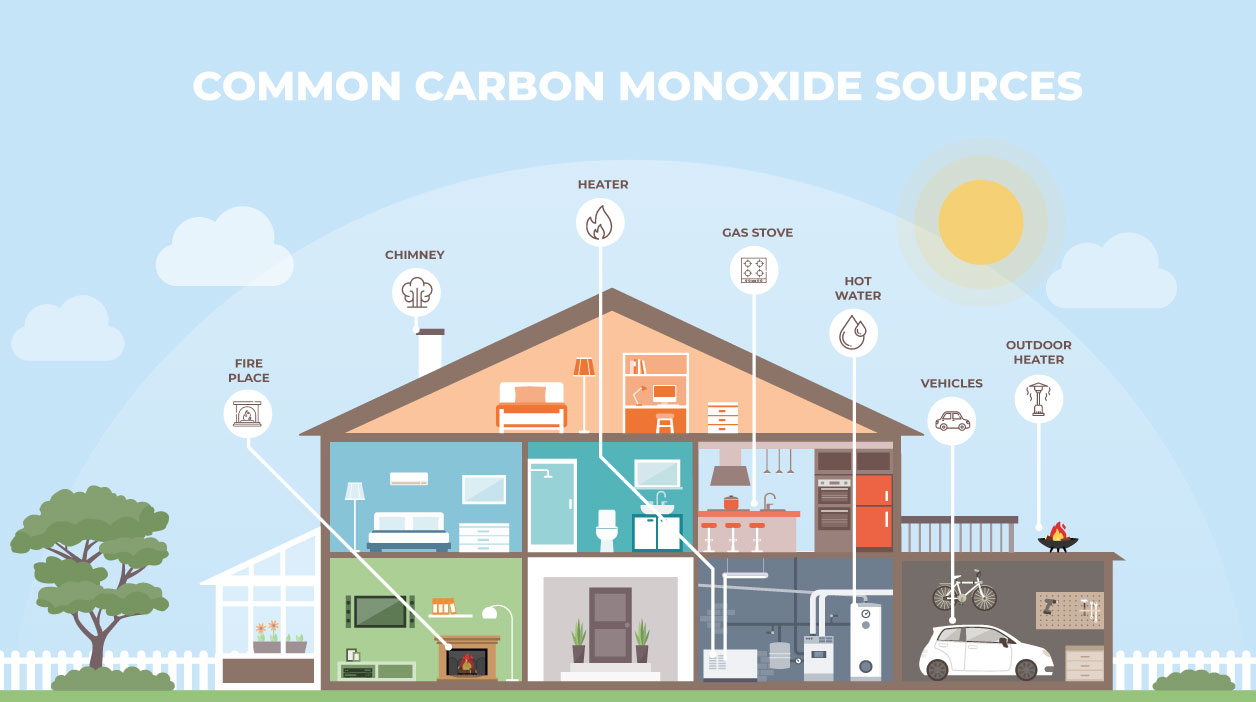
Learning about this isn’t about being scared, but about becoming a super-savvy home dweller, equipped with knowledge to protect yourself and your loved ones. The "purpose" of diving into this topic is pure empowerment – understanding how carbon monoxide can sometimes get into your cool air stream, and how to prevent it. The "benefits" are immense: peace of mind, knowing you’ve proactively safeguarded your home, and potentially averting a serious health emergency. Carbon monoxide is often called the "silent killer" because it’s colorless, odorless, and tasteless. You won't know it's there without help. While your AC unit doesn't produce CO, it can unfortunately circulate it if a CO source is too close to its air intake, like a faulty furnace exhaust or a portable generator.
So, where might this curious problem pop up in real life? Imagine a power outage, and you set up a portable generator to keep things running. If that generator, a significant CO producer, is placed too close to a window-mounted AC unit or even a house window where your central AC's outdoor unit might draw air, you’ve created a potential pathway for CO. Another common scenario involves central HVAC systems. If your furnace (which burns fuel and can produce CO) has a crack in its heat exchanger or a leak in its exhaust venting, CO could be drawn into the ductwork and then circulated throughout your home by the fan, even if the AC is merely circulating air and not actively cooling. Educationally, this topic highlights the interconnectedness of home systems and the importance of regular maintenance and smart safety practices, a crucial part of any home economics or even basic science curriculum focusing on combustion and ventilation.
Must Read
Ready to become a CO-savvy explorer? Here are some incredibly simple, practical tips. First and foremost: install carbon monoxide detectors! Think of them as your home's vigilant nose, alerting you to the unseen danger. Place them on every level of your home, especially near sleeping areas. They're affordable and truly life-saving. Second, ensure your HVAC system gets professional maintenance annually. This helps catch potential issues like cracked heat exchangers or leaky exhaust vents before they become problems. Third, be mindful of where you operate fuel-burning appliances. Never run a generator indoors or in a garage, and keep it a safe distance (at least 20 feet) from windows, doors, and vents. If you ever suspect CO poisoning (symptoms often mimic the flu: headache, dizziness, nausea, fatigue), get fresh air immediately and seek medical attention. By taking these small steps, you’re not just staying cool; you’re staying smart and safe, transforming a potential hidden danger into a story of proactive protection.