
Carbon Monoxide In A Home

Ever paused to think about the incredible, invisible world happening right inside your home? It’s not just dust bunnies and Wi-Fi signals floating around. There's a whole symphony of chemical reactions, air currents, and fascinating molecular dances taking place, often without us giving them a second thought.
One of the most intriguing, and perhaps a little bit spooky, invisible guests in our homes is something called Carbon Monoxide. Sounds a bit heavy, right? But trust me, once you understand it, it's pretty mind-blowing how such a simple molecule can be such a stealthy character.
Meet the Invisible Ninja: Carbon Monoxide
Imagine a superhero, or maybe a supervillain, who can’t be seen, smelled, or tasted. Pretty powerful, huh? That’s essentially what Carbon Monoxide, or CO for short, is. It’s a truly silent, invisible, and odorless gas. You could be in a room full of it, and your senses wouldn’t give you a single clue.
Must Read
So, what exactly is this mysterious gas? Well, it’s a byproduct. Think about when you burn things – wood in a fireplace, natural gas in your stove, or even gasoline in your car. When things burn perfectly, they usually produce Carbon Dioxide (CO2), which is what we exhale and what plants love to "eat." But sometimes, things don't burn perfectly. Maybe there isn't enough oxygen around, or the appliance isn't working quite right.
When combustion is incomplete, that's when our invisible friend CO steps onto the scene. Instead of getting a nice, stable CO2 molecule, you get a CO molecule – essentially, a carbon atom with only one oxygen atom attached, instead of two. And that single missing oxygen makes all the difference in the world.
Why Is It So Sneaky (and a Little Bit Scary)?
Here’s where it gets really interesting, in a fascinating-but-also-take-precautions kind of way. Our bodies are amazing machines, and one of their most crucial jobs is to transport oxygen from our lungs to every single cell using our blood, specifically a protein called hemoglobin. Think of hemoglobin as tiny, red oxygen taxis, buzzing around your bloodstream, picking up oxygen and dropping it off where it's needed.

Now, here’s the kicker: Carbon Monoxide is like a super-aggressive passenger who wants to hijack those oxygen taxis. Not only does it want a ride, it wants to kick oxygen out and take its place permanently. Hemoglobin actually prefers to bind with CO about 200-250 times more readily than with oxygen!
Imagine your oxygen taxi pulling up to a busy corner. Instead of picking up the usual oxygen molecule, CO shoves its way in, locks the doors, and refuses to leave. What happens? Your cells, desperately waiting for their oxygen delivery, start to suffer. They can't get the fuel they need to do their jobs.
This is why CO is so dangerous. It literally suffocates your body from the inside out, cell by cell, without you ever realizing it’s happening. No warning smells, no visible haze – just a gradual, quiet takeover of your internal transport system.

Where Does Our Invisible Guest Hang Out?
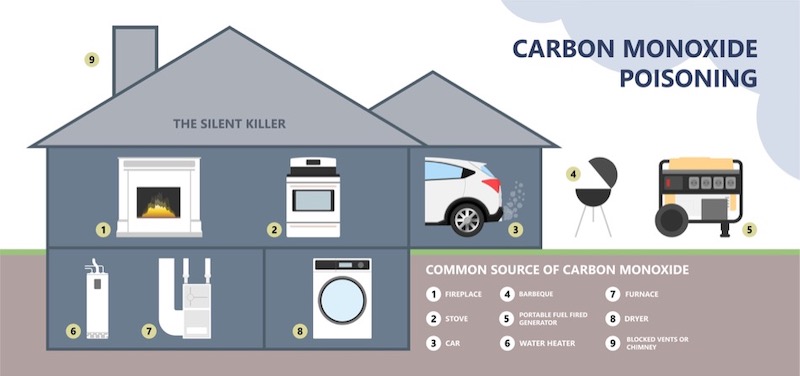
Since CO comes from incomplete combustion, its usual hangouts in our homes are pretty specific. Think about anything that burns fuel:
- Your furnace or boiler
- Gas water heater
- Gas stove or oven
- Fireplaces or wood-burning stoves
- Portable generators (especially if used indoors or too close to a house)
- Even a car left running in an attached garage
If these appliances aren't properly maintained, have blocked vents, or aren't getting enough fresh air, they can easily start producing CO. It's not about the appliance being "bad," but about the delicate balance of combustion being off.
How Do We Catch This Ninja?
Okay, so we have a super-stealthy, body-hijacking gas. Sounds like a problem, right? But here's the cool part: we have our own ingenious defense against it! Enter the Carbon Monoxide Detector. These clever devices are like your home's personal CO sniffing dogs, always on alert.
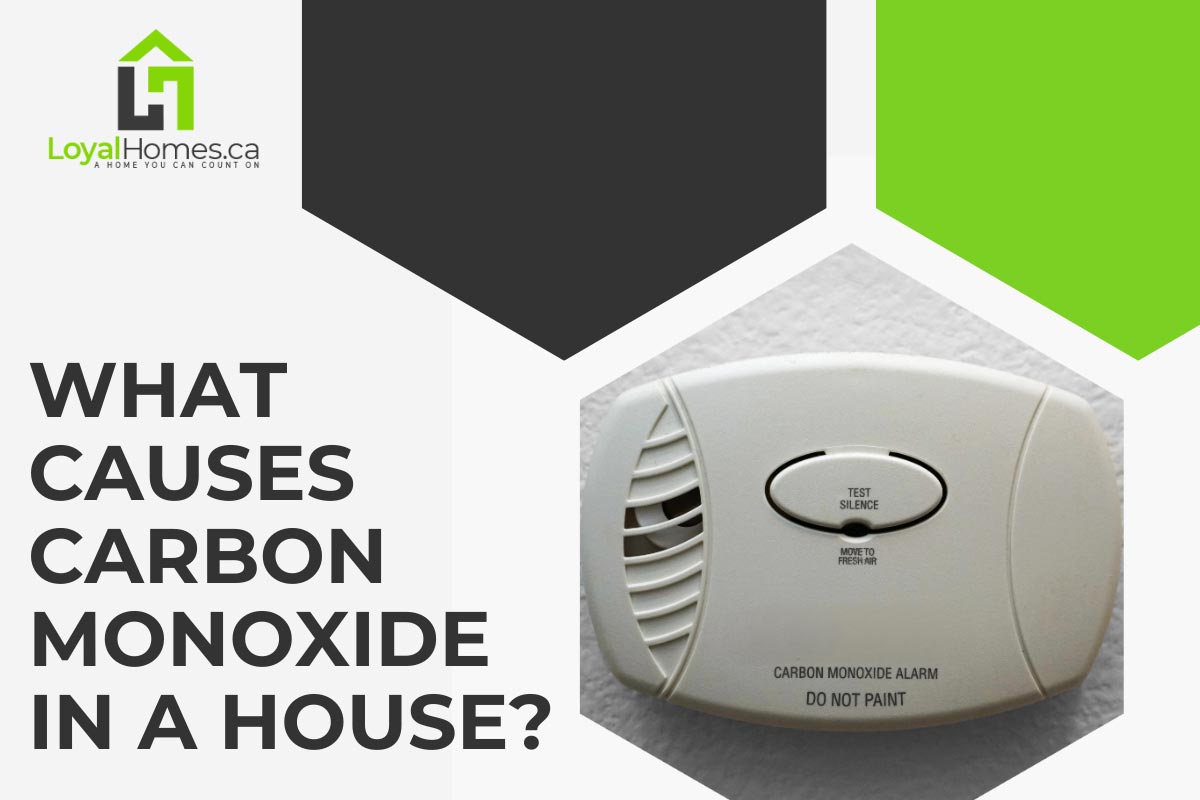
Modern CO detectors use electrochemical sensors that react specifically to carbon monoxide molecules. When they detect a certain level of CO in the air, they sound a loud, unmistakable alarm. It's not like a smoke detector that goes off with burnt toast; these are specifically designed to pick up our invisible ninja before it can do any serious damage.
Think of it as having an early warning system. Just like you wouldn't drive a car without a seatbelt, having CO detectors near sleeping areas and on every level of your home is a simple, smart way to stay safe. They’re relatively inexpensive and require very little maintenance beyond replacing batteries every now and then (just like your smoke detectors!).
Feeling a Little Off? It Could Be CO!
Since you can't see or smell CO, how would you know if you were exposed without a detector? The early symptoms are incredibly tricky because they often mimic the flu, food poisoning, or just general tiredness. Headaches, dizziness, nausea, weakness – sound familiar? That's the CO slowly starting to interfere with your body's oxygen supply. As exposure continues, symptoms worsen, leading to confusion, vomiting, and eventually, loss of consciousness.
This is why the detector is so crucial. It catches the problem long before you start feeling those confusing, flu-like symptoms. It’s truly a guardian angel, giving you the heads-up to get fresh air and call for help.
So, What's the Takeaway?
Carbon Monoxide is a truly fascinating molecule. It's a testament to the complex chemistry that governs our world, even inside our own homes. It’s powerful, it’s sneaky, and it demands our respect. But it’s not something to panic about! Instead, it’s a wonderful reminder of how we can use science and technology to live safely and smartly.
By understanding what CO is, where it comes from, and how to detect it, you're not just being safe – you're engaging with the invisible wonders and potential hazards of your everyday environment. So, give a little nod to your CO detector, ensure your appliances are maintained, and keep appreciating the incredible, unseen world around you!