
Carbon Monoxide Detector Vs Smoke Detector

Hey there, fancy seeing you! Grab a mug, let’s get cozy. I’ve been meaning to chat with you about something that, well, it’s not exactly thrilling dinner party conversation, but it’s super important. We’re talking about those little disc-shaped heroes on your walls and ceilings. You know, the ones that usually just sit there silently judging your questionable cooking skills, until they decide to scream bloody murder? Yeah, those guys.
Specifically, I want to clear up a common mix-up: the smoke detector versus the carbon monoxide detector. Because, plot twist, they’re not the same thing! Like apples and oranges, or my coffee without cream versus with. Totally different vibes, totally different jobs.
Let’s Talk Smoke Detectors: The OG Life Savers
Alright, first up, the classic. The one practically everyone knows. The smoke detector. This little gem is your first line of defense against actual, honest-to-goodness fire. It's designed to sniff out... wait for it... smoke! Revolutionary, right?
Must Read
When there's smoke, this guy goes off. And man, does it go off! That piercing, ear-splitting "BEEP BEEP BEEP!" sound? Yeah, that's your cue to get out, and maybe grab the dog. It’s loud enough to wake the dead, or at least your deepest sleeper, which is exactly what you need when flames are licking their way towards your favorite comfy blanket.
Think of it as your house’s nose. It smells trouble – the smoky kind – and it screams to alert you. It gives you precious minutes to evacuate safely. And in a fire, minutes literally mean the difference between getting out and, well, not getting out. So, definitely a MVP in the home safety lineup.

Now, Meet the Stealthy One: Carbon Monoxide Detector
Okay, now for the tricky one. The carbon monoxide detector. This is where things get a bit more mysterious. Because what is carbon monoxide, you ask? Good question! It’s a completely colorless, odorless, tasteless gas. Yep, you heard that right. You literally cannot detect it with your own human senses.
It’s produced by things that burn fuel: your furnace, a gas stove, a fireplace, that space heater you drag out in winter, even your car if it’s running in an enclosed space (please don't do that!). When these things aren’t working properly, or there isn't enough ventilation, CO can build up. And here’s the scary part: it’s often called the "silent killer" for a reason.
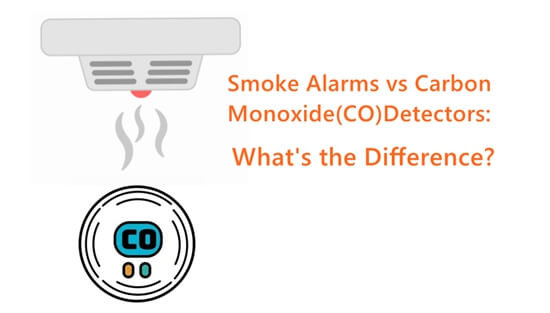
Seriously, silent killer. People can get very sick, even die, without ever knowing CO is present. Symptoms can mimic the flu – headaches, dizziness, nausea. You might just think you're having a bad day, or caught a bug, when in reality, your body is slowly being poisoned. Super creepy, right?
That's where the CO detector steps in. Its job is to detect this invisible menace. It sniffs out the bad gas that you can't. And when it goes off, it typically has a different sound than a smoke detector – often a series of four quick beeps, pause, then four more. Pay attention to that sound! It means danger is present, and you need fresh air, stat!
Why You Absolutely, Positively Need Both
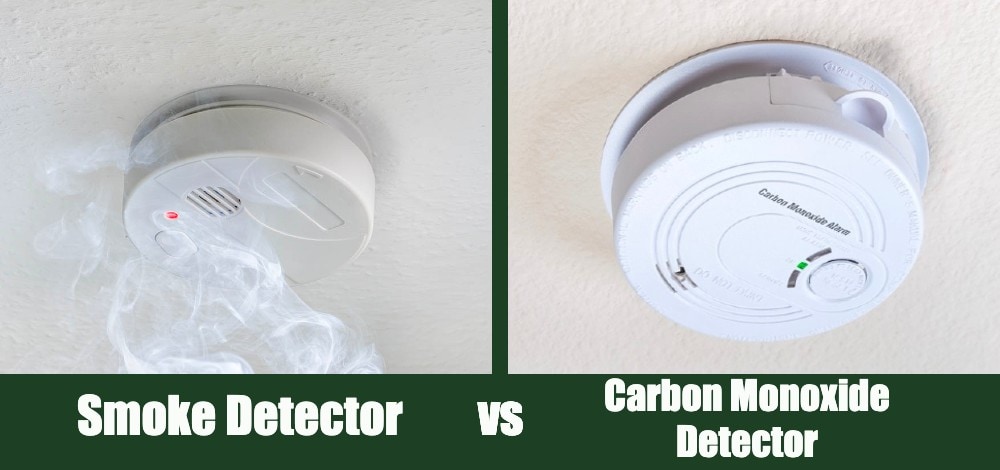
So, here’s the million-dollar question: can a smoke detector detect carbon monoxide? And can a CO detector detect smoke? The short, blunt, no-frills answer is: NO!
A smoke detector is looking for smoke particles. A CO detector is looking for carbon monoxide gas. They are specifically engineered for their unique threats. It’s like expecting your coffee maker to toast bread. Different tools, different functions!

Therefore, you absolutely, unequivocally, without a doubt, need both in your home. They are not interchangeable. A fire won't necessarily produce CO in dangerous levels initially, and CO poisoning can happen without any fire at all. Think of them as two crucial members of your home safety team, each with their own specialty.
Most experts recommend having smoke detectors on every level of your home, especially inside and outside sleeping areas. For CO detectors, near sleeping areas and where fuel-burning appliances are located is key. And please, for the love of all that is good, test them regularly! Like, once a month. Those little test buttons aren’t just for show.
So, next time you glance at those little discs, give 'em a nod of appreciation. They’re working hard to keep you safe from two very different, but equally nasty, threats. Don't skimp on these silent guardians; they truly are worth their weight in peace of mind. Now, if you'll excuse me, I hear my smoke detector chirping. Probably just needs a new battery, but hey, it got my attention! Stay safe out there, friend!