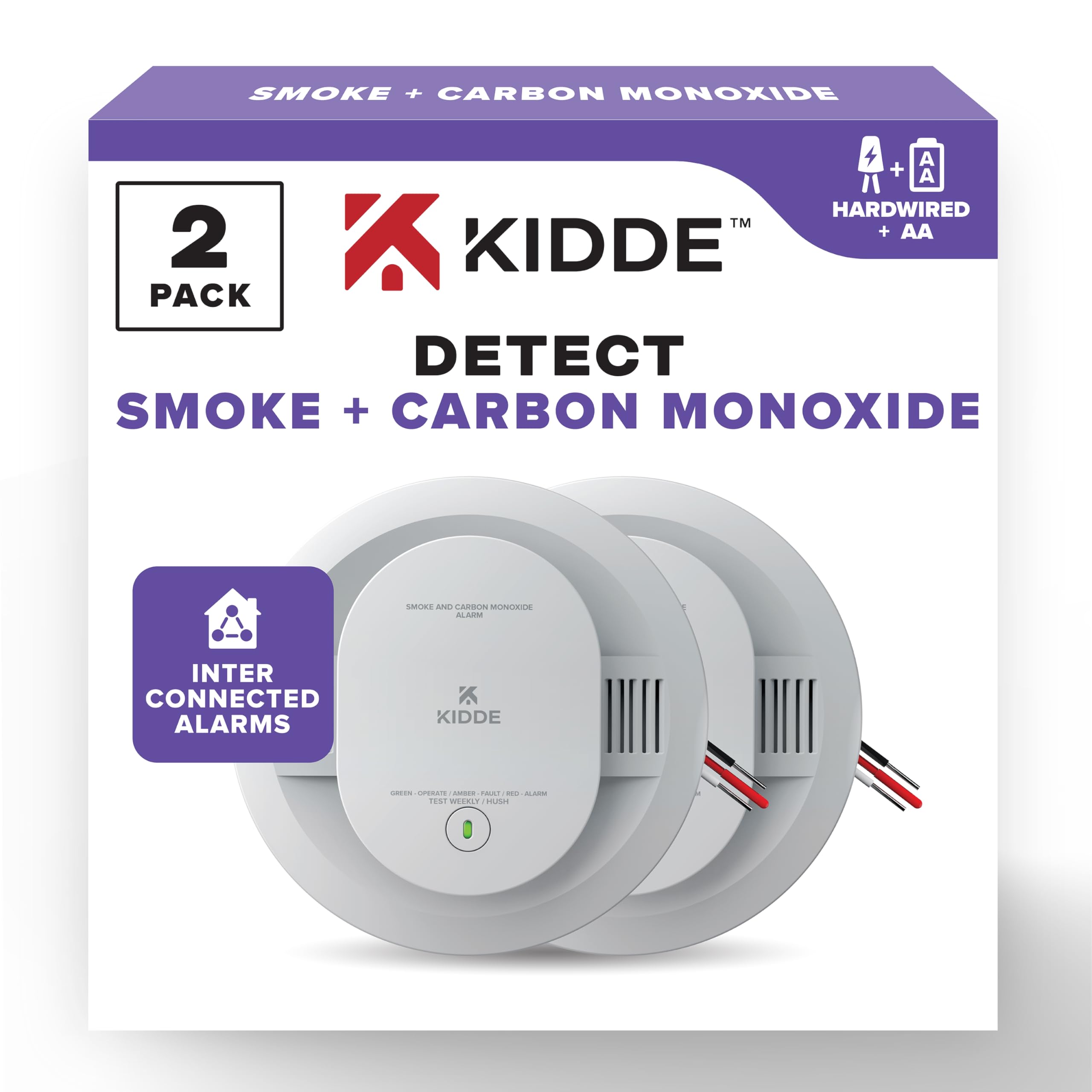
Carbon Monoxide Detector Plug In Vs Battery
Hey there, ever pondered the invisible elements that keep your home safe and sound? It might sound a bit like something out of a science fiction movie, but understanding the guardians that protect us from unseen dangers is actually pretty fascinating, and surprisingly practical! Today, we're diving into the world of carbon monoxide detectors – specifically, the age-old (well, not that old) question: plug-in vs. battery-powered. It's not just a technical debate; it's about choosing the right silent sentinel for your peace of mind.
So, what exactly is this thing for? Carbon monoxide (CO) is often called the "silent killer" for a very good reason: it’s an odorless, colorless gas that can be deadly. It's produced by burning fuels like gas, oil, kerosene, wood, or charcoal, often from faulty furnaces, stoves, water heaters, or even car exhaust. A CO detector's purpose is simple yet vital: it's your personal air sniffer, constantly monitoring the air for dangerous levels of CO and sounding an alarm if it detects something amiss. The benefit? It gives you and your loved ones precious time to evacuate and seek fresh air, potentially saving lives and preventing serious health issues.
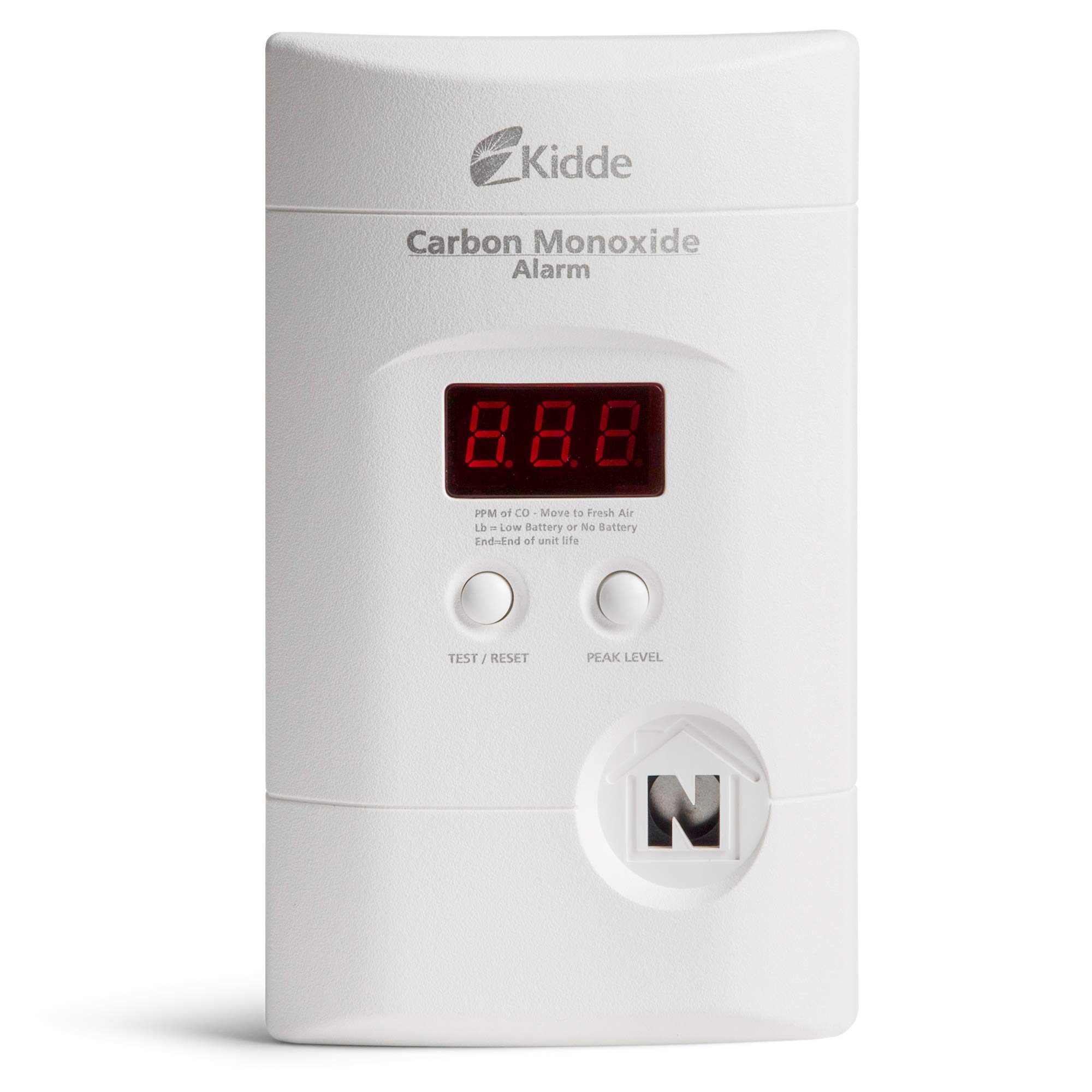
Let's talk about the two main contenders. First up, the plug-in carbon monoxide detector. Think of these as the steady, reliable anchors of your home safety system. They plug directly into a wall outlet, which means they're always powered up (as long as your electricity is flowing!) and you never have to worry about changing batteries. Many even come with a small battery backup, just in case of a power outage, which is a neat hybrid feature. They're super convenient for fixed locations like hallways, kitchens near appliances, or living rooms. Imagine a classroom using one near a gas furnace to ensure students are always safe, or a family having one in their main living area for constant vigilance.
Must Read
Then there are the battery-powered carbon monoxide detectors. These are the versatile, go-anywhere heroes. Because they don't need an outlet, you can place them virtually anywhere – high on a wall, near sleeping areas, or even in places where outlets are scarce. This flexibility is a huge plus! Think about an adventurous family taking one along in their RV or camper, or a student placing one in their dorm room where outlets might be limited. They're also your best friend during a power outage, continuing their vigilant watch when other detectors might go silent. The trade-off? You do need to remember to test them regularly and change their batteries, usually every 6 months to a year, much like a smoke detector.
So, which one's for you? Or perhaps, why not both? Many safety experts suggest a mix-and-match approach. You might have plug-in units in central areas like hallways or kitchens, and battery-powered ones in bedrooms or less accessible spots. To explore this yourself, take a walk around your home. Where do you have fuel-burning appliances? Where do people sleep? Are there areas without easily accessible outlets? This simple mental exercise can help you map out your ideal CO detection strategy. Remember to test your detectors monthly (there's usually a "test" button!) and know the sound of its alarm. Staying curious and informed about these simple devices is a small step that makes a huge difference in keeping your home a truly safe haven.