
Carbon Monoxide Detector Chirping 3 Times
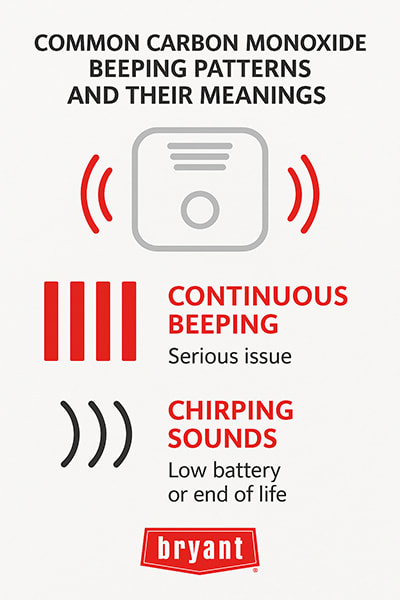
Okay, so picture this: you're just chilling, maybe scrolling through your phone, or perhaps deep in a dream, when suddenly – chirp, chirp, chirp!
You probably sit bolt upright, heart doing a little jig. What was that? Is it a bird stuck in the chimney? A secret message from aliens? Nope. It's that little round (or square) sentinel on your wall, your trusty Carbon Monoxide detector, making its presence known.
And specifically, it gave you three little chirps. What's the deal with that? Is it an urgent SOS? Or just a friendly nudge? Let's dive in and unravel this tiny mystery, because honestly, it's pretty cool when you think about it.
Must Read
Decoding the Triple Chirp
First things first: deep breaths! If your CO detector is chirping three times, it's usually not an emergency. Phew! Unlike the loud, continuous, panicked blast that means "Danger, Will Robinson!" (which is usually four loud beeps), three chirps are generally a sign of one thing:
Your detector is telling you its battery is low. Think of it as your little guardian robot politely asking for a snack – a fresh dose of power to keep doing its vital job.
Isn't that neat? It's not just a dumb alarm; it's got a way to communicate its own needs. It's like a tiny, silent hero letting you know it's getting a bit tired and needs a recharge to stay on patrol.
Why Is This Little Chirp So Important?
You might think, "Eh, it's just a battery." But actually, this gentle triple chirp is a brilliantly designed feature. It's a reminder that this device, often ignored until an emergency (or a low battery), is always working for you. It needs juice to do its job, which is to sniff out a truly sneaky and dangerous gas: carbon monoxide.
Carbon monoxide, or CO, is often called the "silent killer" because it's completely invisible, odorless, and tasteless. You can't see it, smell it, or taste it. It could be filling your home right now from a faulty furnace, a clogged chimney, or a car running in an attached garage, and you wouldn't have a clue without a detector.
This is where your chirping friend comes in. It's got a super-sensitive nose, much better than ours, specifically designed to detect even tiny amounts of CO in the air. When it senses danger, it lets out that truly ear-splitting, life-saving alarm.
The Science of the Silent Guardian (Simplified!)
So, how does this little device actually work its magic? Inside your CO detector, there's typically an electrochemical sensor. Think of it like a miniature science lab designed to react specifically to carbon monoxide.
When CO gas comes into contact with the sensor, it causes a tiny electrical current to change. The detector's internal "brain" constantly monitors this current. If the change indicates a dangerous level of CO, boom! The alarm goes off.
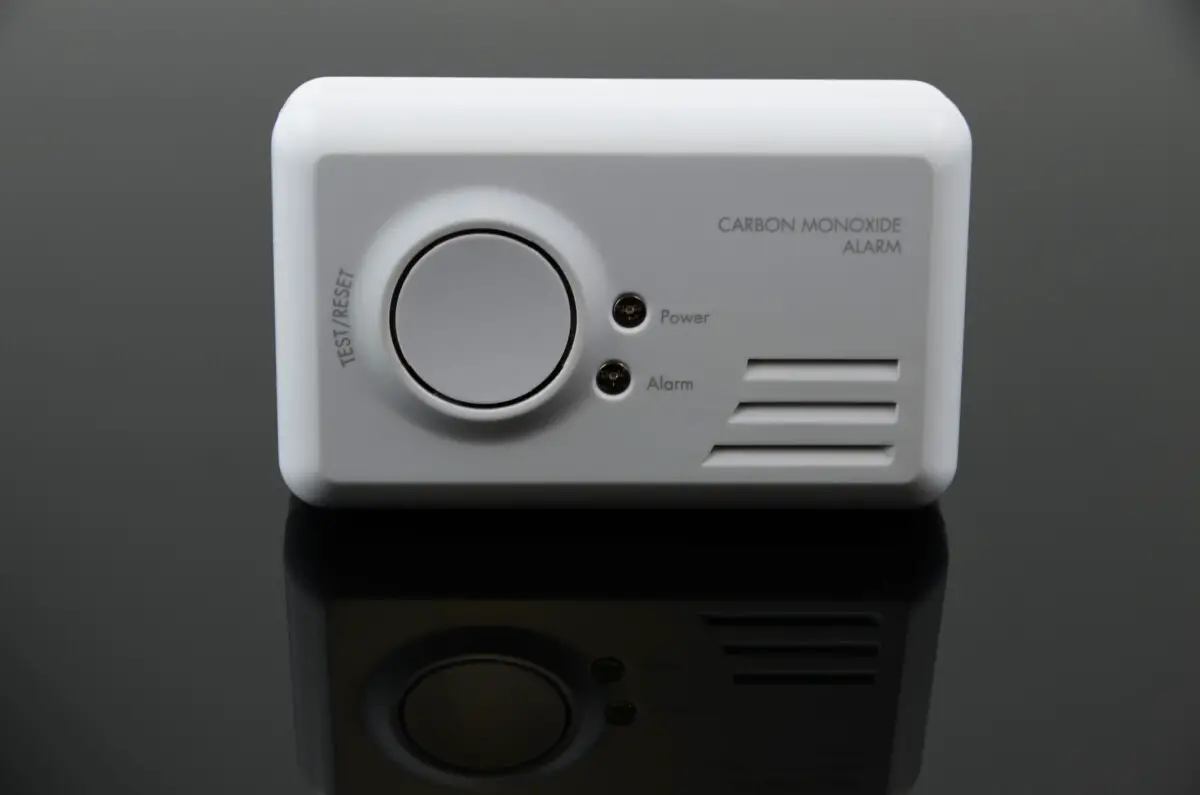
But back to our three chirps. The detector isn't just about sounding the big alarm. It also has internal circuitry that constantly monitors its own power supply. When the voltage from the battery drops below a certain threshold, the detector knows it's time for a new one. It then signals this status with those distinct three chirps every minute or so, letting you know it's running on fumes.
It’s an incredible piece of engineering, designed to be proactive. It doesn't wait until it completely dies; it gives you a heads-up, like a phone warning you it's at 10% battery.
What To Do When You Hear The Chirps
So, you've heard the three chirps. What's next?

- Don't Panic: Remember, it's likely a low battery, not a CO leak.
- Locate the Culprit: Find the chirping detector.
- Replace the Battery: Most detectors use standard AA or 9-volt batteries. Check your specific model's manual if you're unsure. A quick swap, and it should be quiet again.
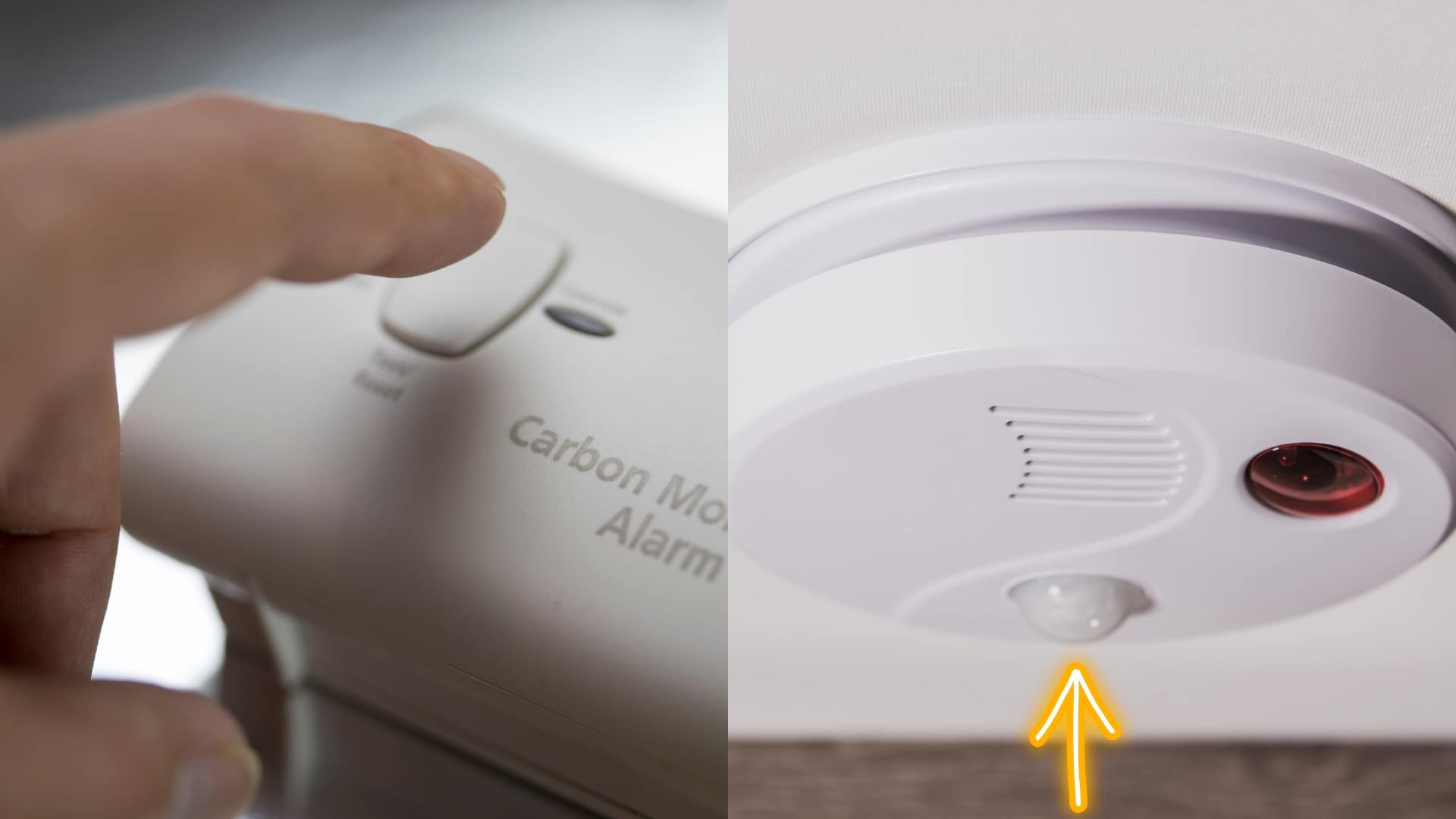
- Test It: After replacing the battery, press the "test" button on the detector. It should emit a loud, continuous alarm (the "real" alarm sound) to confirm it's working properly. This is its way of saying, "Thanks for the power-up, I'm back on duty!"
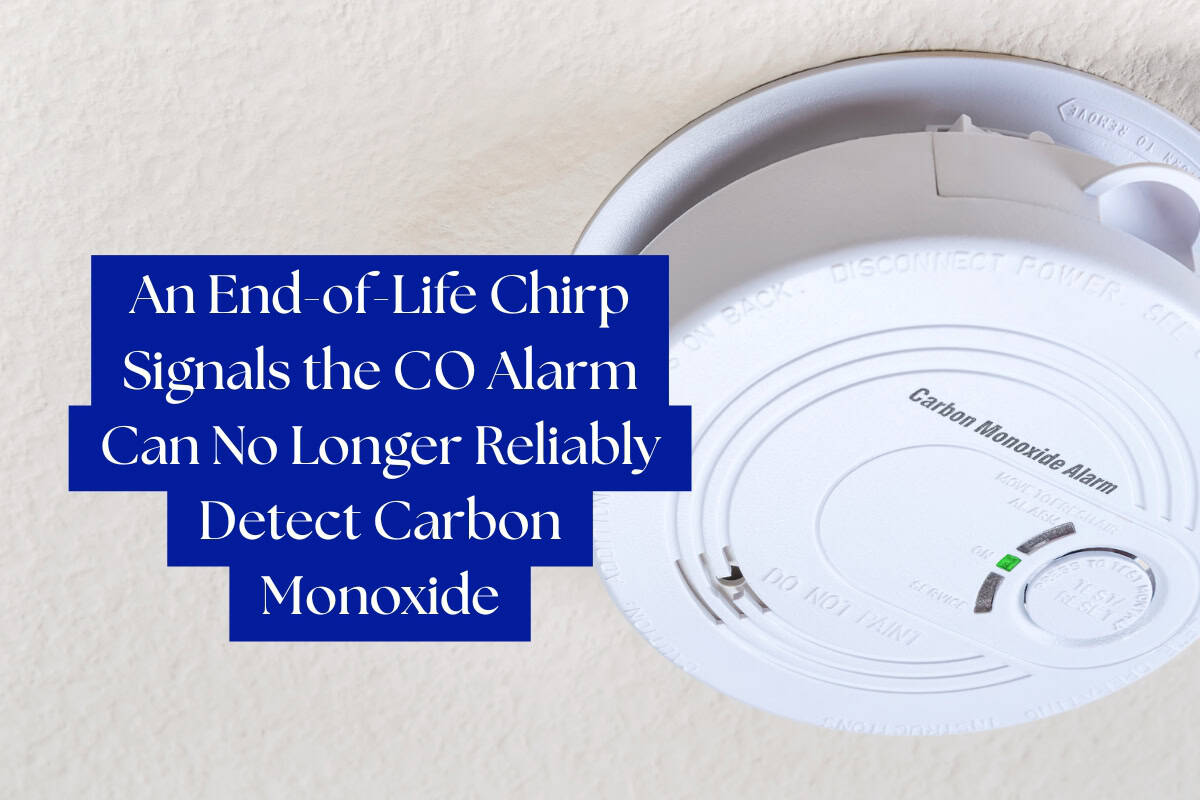
It's also a good idea to write the battery replacement date on the back of the detector with a marker. Some detectors even have a lifespan – usually 5-7 years – after which the sensor itself wears out. So, if your detector is old and chirping, it might be time to replace the whole unit.
A Little Appreciation for Our Chirping Friend
Those three little chirps aren't just an annoyance; they're a subtle message from a very important piece of safety equipment. They're a reminder that something essential is working silently in the background, keeping you and your loved ones safe from an unseen threat.
It's pretty amazing, isn't it? A simple device, communicating its needs, performing a vital role without any fuss. So, next time you hear those three chirps, don't just grumble. Take a moment to appreciate the cleverness and care built into your carbon monoxide detector. It's literally a life-saver, and it just asked for a little bit of attention.