
Carbon Monoxide Detector Beeping 3 Times Every 30 Seconds
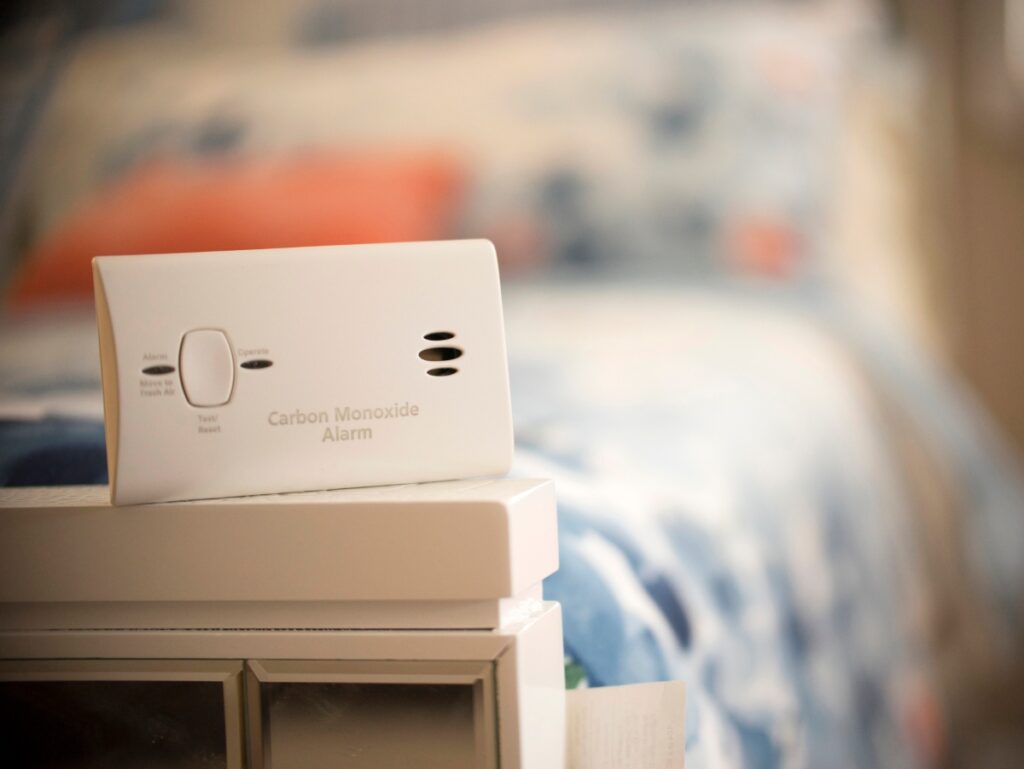
You know that feeling, right? That tiny, persistent, utterly maddening beep that starts somewhere in the house, usually late at night, and just… won’t… quit. It’s like a tiny, electronic mosquito, buzzing in the back of your mind. Is it the smoke detector I forgot to disarm after burning toast? The fridge doing some weird defrost cycle? Or perhaps, as was the case for my neighbour Dave last week, a carbon monoxide detector politely, yet insistently, trying to get his attention?
Dave, bless his heart, spent a good hour wandering around his house, convinced a smoke detector was finally giving up the ghost. He even unplugged a few appliances, just in case. But no, the culprit was his carbon monoxide (CO) detector, perched innocently near the ceiling, emitting a very specific, and highly important, signal: three beeps every thirty seconds. And hey, if you’re reading this, chances are you’re either experiencing the exact same sonic annoyance, or you’re a wonderfully proactive person trying to prepare for it!
The Carbon Monoxide Detector's Secret Language
So, let's cut to the chase, because nobody wants a mystery beep hanging over their head. If your CO detector is doing that little three-beep, thirty-second dance, it's trying to tell you something crucial. But here’s the good news, and honestly, the biggest relief:
Must Read
This is not an emergency alarm.
Take a breath. Seriously. That specific pattern – three beeps, pause for thirty seconds, three more beeps – almost universally means one thing across most models and manufacturers: your detector's battery is low. Yep, that's it. It’s essentially saying, "Hey, human! My power source is running on fumes! A little juice, please?"
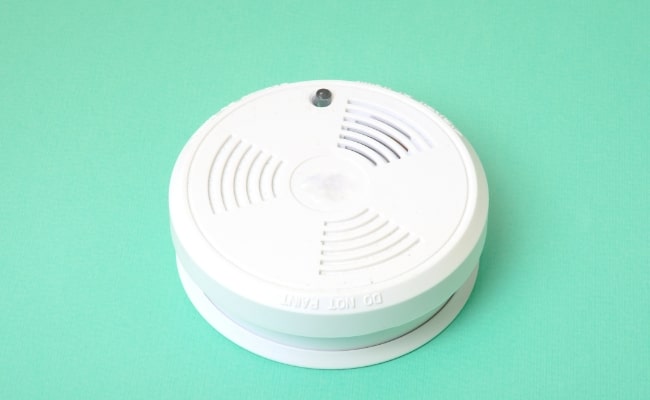
It’s designed to be distinct from an actual CO alarm, which is usually a much more urgent and loud sequence (typically four loud, rapid beeps, repeated over and over). Think of the three-beep warning as a friendly nudge, an electronic reminder that, while not a crisis, still requires your attention soon. It’s like your phone telling you it's at 10% battery, rather than simply dying mid-call without warning. Much appreciated, little device!
Decoding the Beep: Why 3 and Not 4?
Manufacturers are pretty smart about this stuff. They want to make sure you can differentiate between a "replace battery" signal and a "get out of the house now!" signal. So, while a low battery might be annoying, it's a gentle prod to maintain your safety equipment, not an indication of immediate danger from carbon monoxide itself.
/cdn.vox-cdn.com/uploads/chorus_asset/file/23356188/best_carbon_monoxide_detector_panel.jpg)
Think of it as your CO detector's way of doing its job, even when it’s feeling a bit weak. It's still functional, but its internal circuits are letting you know they don't have enough power to maintain optimal vigilance indefinitely. And nobody wants a watchdog running out of energy, especially not one guarding against the silent killer, right?
Okay, So What Do I Do Now?
Alright, you've identified the source of the incessant beeping, and you know it's a low battery. Now what? It's pretty straightforward, my friend:
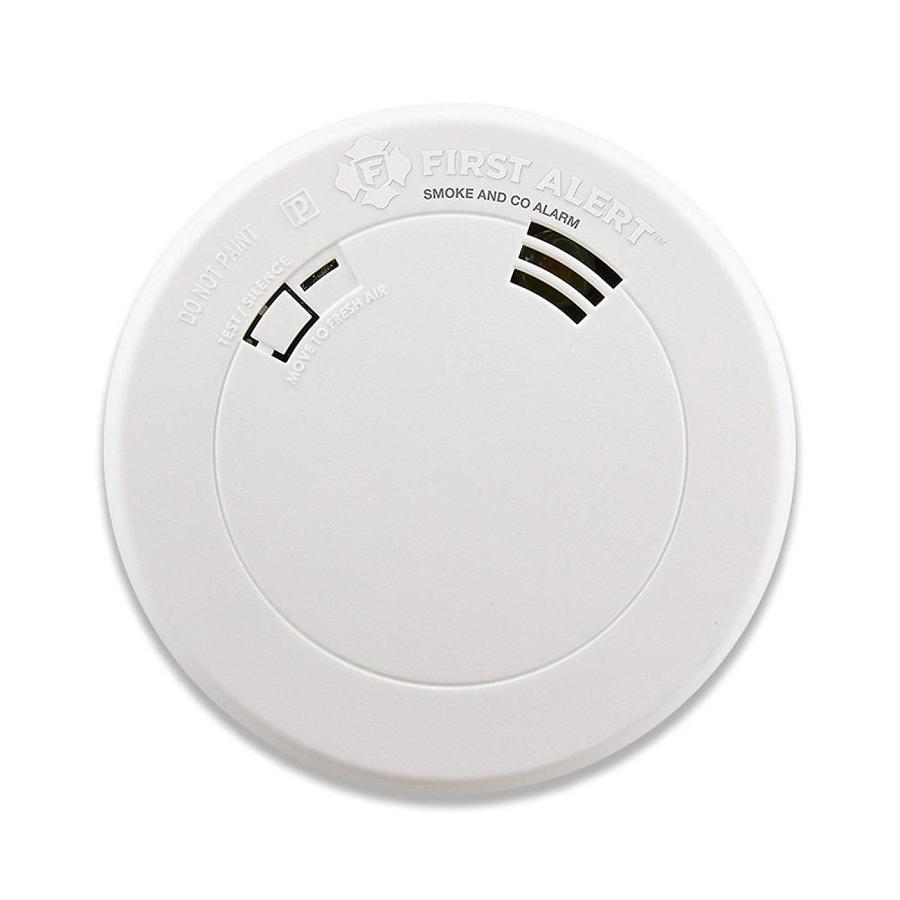
- Locate the culprit: Find which specific CO detector is making the noise. If you have multiple, it might take a moment, but it's usually the loudest one!
- Identify the battery type: Most CO detectors use standard AA, AAA, or 9V batteries. Check the back or the battery compartment cover for details.
- Replace the battery: Do this immediately or as soon as physically possible. Don’t put it off. While it’s not an emergency, you don't want your safety net to be powered by a dying battery for longer than necessary. Pop out the old one, put in a fresh, new, fully charged battery. (Pro tip: always keep spare batteries for these critical devices!)
- Test the detector: After replacing the battery, most detectors have a "Test" button. Press and hold it for a few seconds. You should hear a loud, piercing alarm – this confirms the unit is working correctly with its new power source.
- Check the expiry date: While you're at it, flip over the detector and look for a manufacturing or expiry date. CO detectors aren't designed to last forever, typically 5-7 years, sometimes 10 for newer models. If yours is past its prime, even with a new battery, it's time for a replacement unit entirely.
Some hardwired units with battery backup will also chirp to indicate a low backup battery. The process is the same: replace the battery to ensure it functions during a power outage.
A Final Thought on These Little Guardians
While a three-beep warning for a low battery can be an annoying little jingle, it's also a fantastic reminder of the critical role these devices play in our homes. Carbon monoxide is truly insidious – it's odorless, colorless, and tasteless, making it impossible to detect without a specialized device. These detectors are your frontline defense against an invisible threat that can be deadly.
So, the next time you hear that familiar three-beep pattern, don't just groan. Take it as a cue, a gentle nudge from your silent guardian, reminding you to keep it powered up and ready for action. A few minutes changing a battery is a tiny price to pay for genuine peace of mind, don't you think?
