Carbon Monoxide Detector Battery Change
That incessant, high-pitched chirp. We’ve all heard it, usually when you're just drifting off to sleep or in the dead of night. It’s the signature sound of a carbon monoxide (CO) detector begging for a new battery. But what if I told you that this little annoyance is actually a tiny, heroic alarm clock, reminding you to keep your family safe? Today, we're diving into the surprisingly satisfying (and profoundly important) world of changing your CO detector batteries – a task so simple, yet so critical, it deserves a round of applause!
You see, carbon monoxide is often dubbed the "silent killer" for a terrifying reason. It's an invisible, odorless, tasteless gas produced by the incomplete burning of fuels. Think furnaces, gas stoves, water heaters, fireplaces, and even car exhaust in an attached garage. Without a working CO detector, you wouldn't know it was present until it was too late. Symptoms can mimic the flu – headaches, dizziness, nausea – making it even more insidious. That’s why having a detector is not just a good idea; it's a lifesaving necessity that provides an early warning, giving you precious time to escape.
But even the best superhero needs their powers recharged! A CO detector running on a dying battery is like a superhero without their cape – pretty useless in a crisis. The good news? Changing the battery is one of the easiest home maintenance tasks you can do, and it comes with massive benefits. First, and perhaps most immediately gratifying, you get rid of that infuriating 3 AM chirp. More importantly, you ensure your detector is always on guard, ready to sound the alarm if dangerous CO levels occur. Most experts recommend changing batteries at least once a year, a perfect task to align with daylight saving time changes (spring forward, fall back!), or perhaps even a memorable date like your birthday.
Must Read
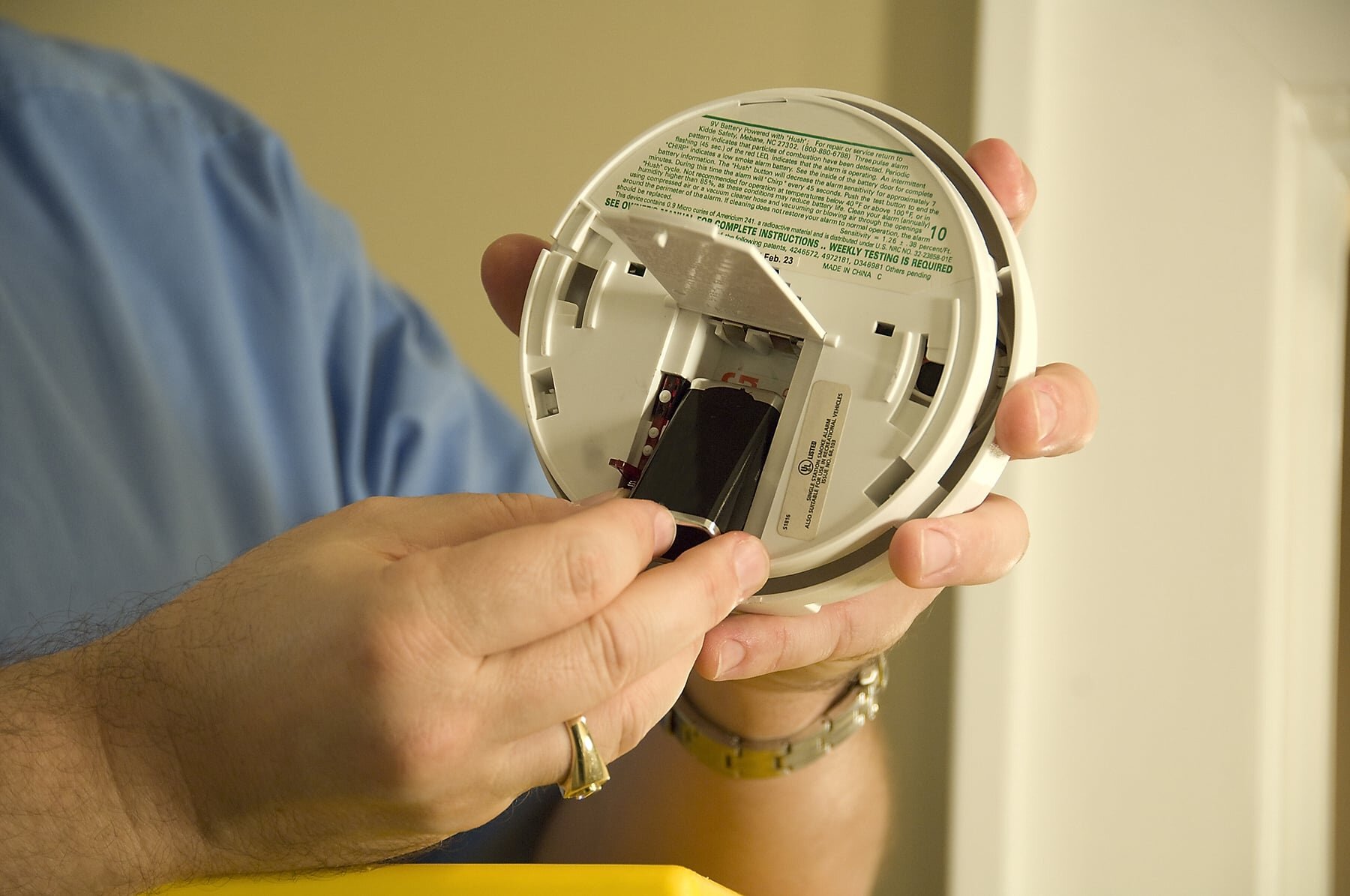
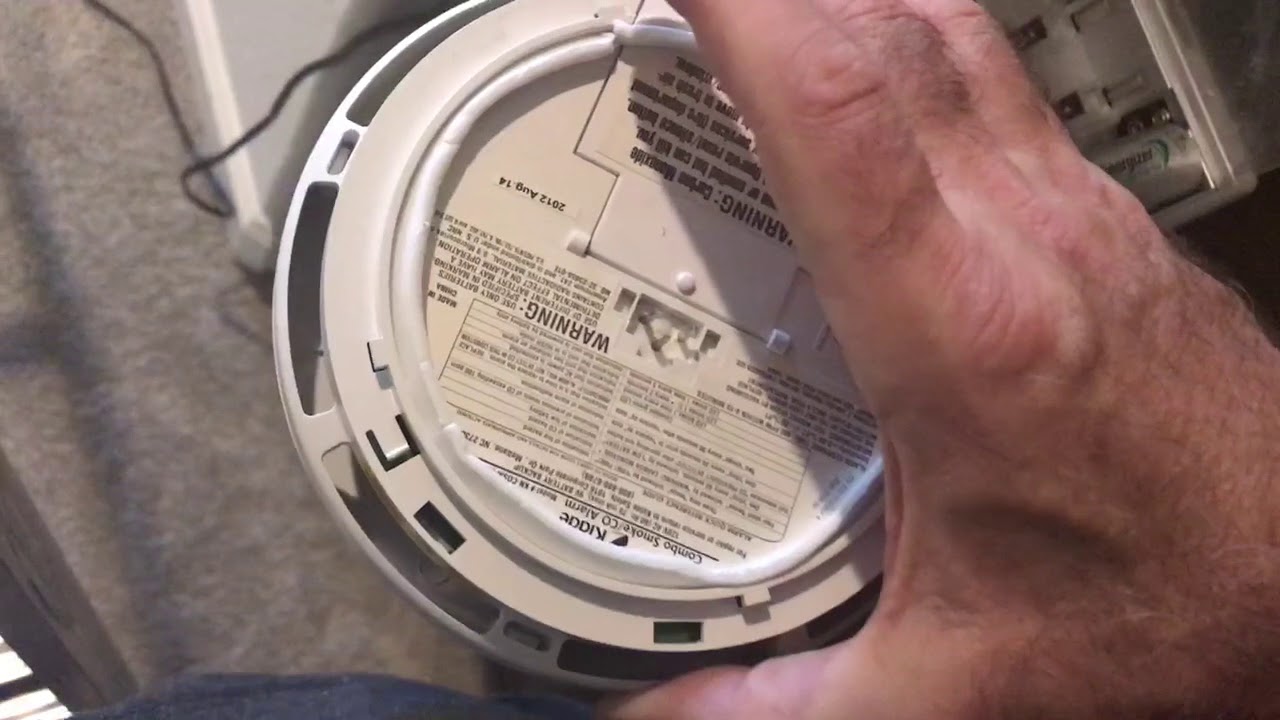
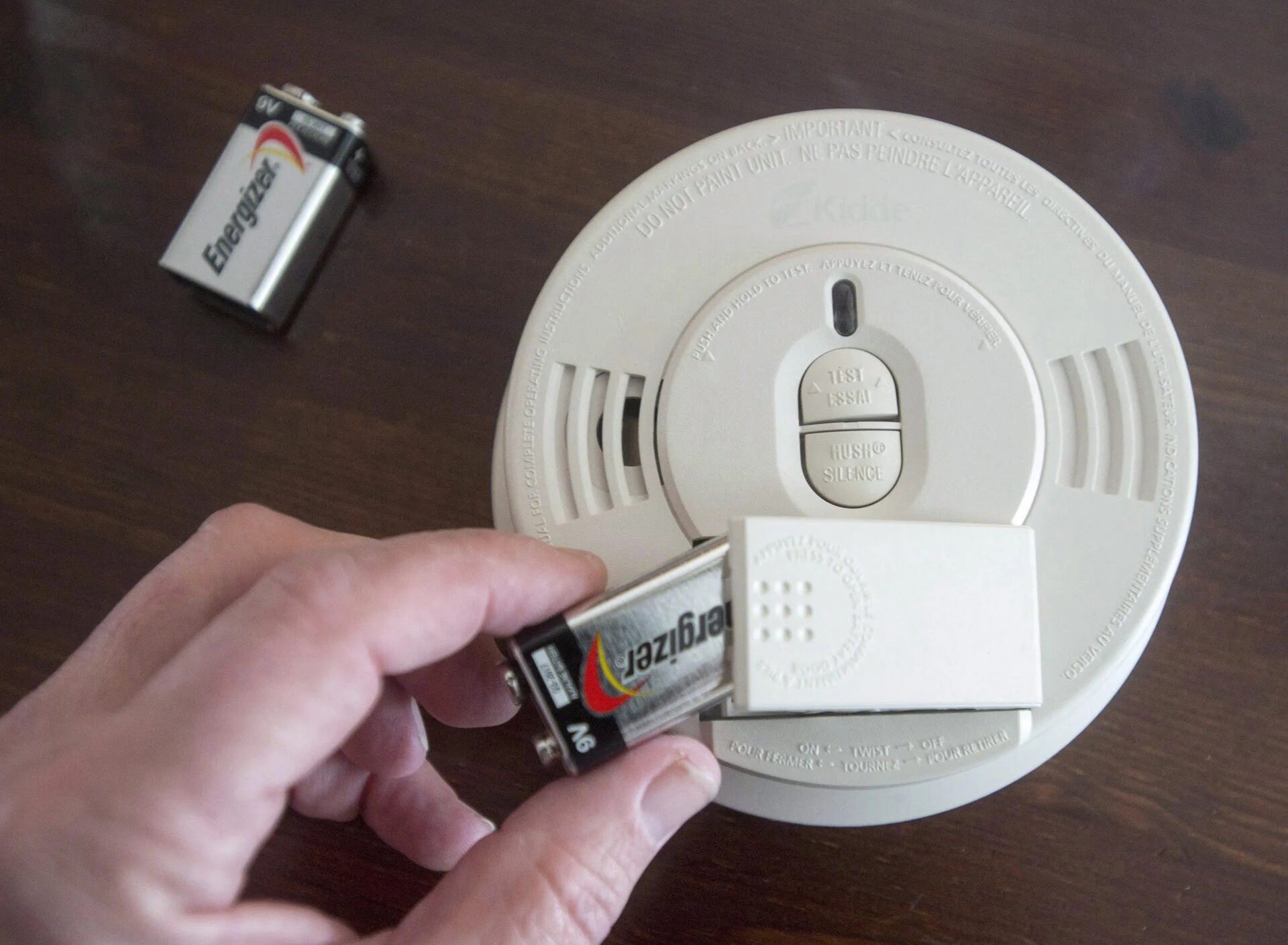
The process itself is a breeze! First, locate your detectors. You should have one on every level of your home, especially near sleeping areas. Carefully open the battery compartment – it's usually a sliding cover or a small latch. Pop out the old batteries (and dispose of them properly!), insert fresh ones (typically AA or 9V, but always double-check your specific model's requirements), close the compartment, and then press the 'test' button. You should hear a loud, clear alarm, confirming your guardian angel is back in action. Voila! You’ve just performed a vital act of home safety with minimal effort.
So, next time you hear that tell-tale chirp, don't just groan. See it as an invitation to be a home safety champion. A few minutes of your time can buy you and your loved ones invaluable peace of mind and, potentially, save lives. It’s a small effort for a huge reward. Go on, give your CO detector the fresh power it deserves – your family will thank you, and you might even get to sleep through the night!