
Carbon Monoxide Alarm Going Off Every 5 Seconds
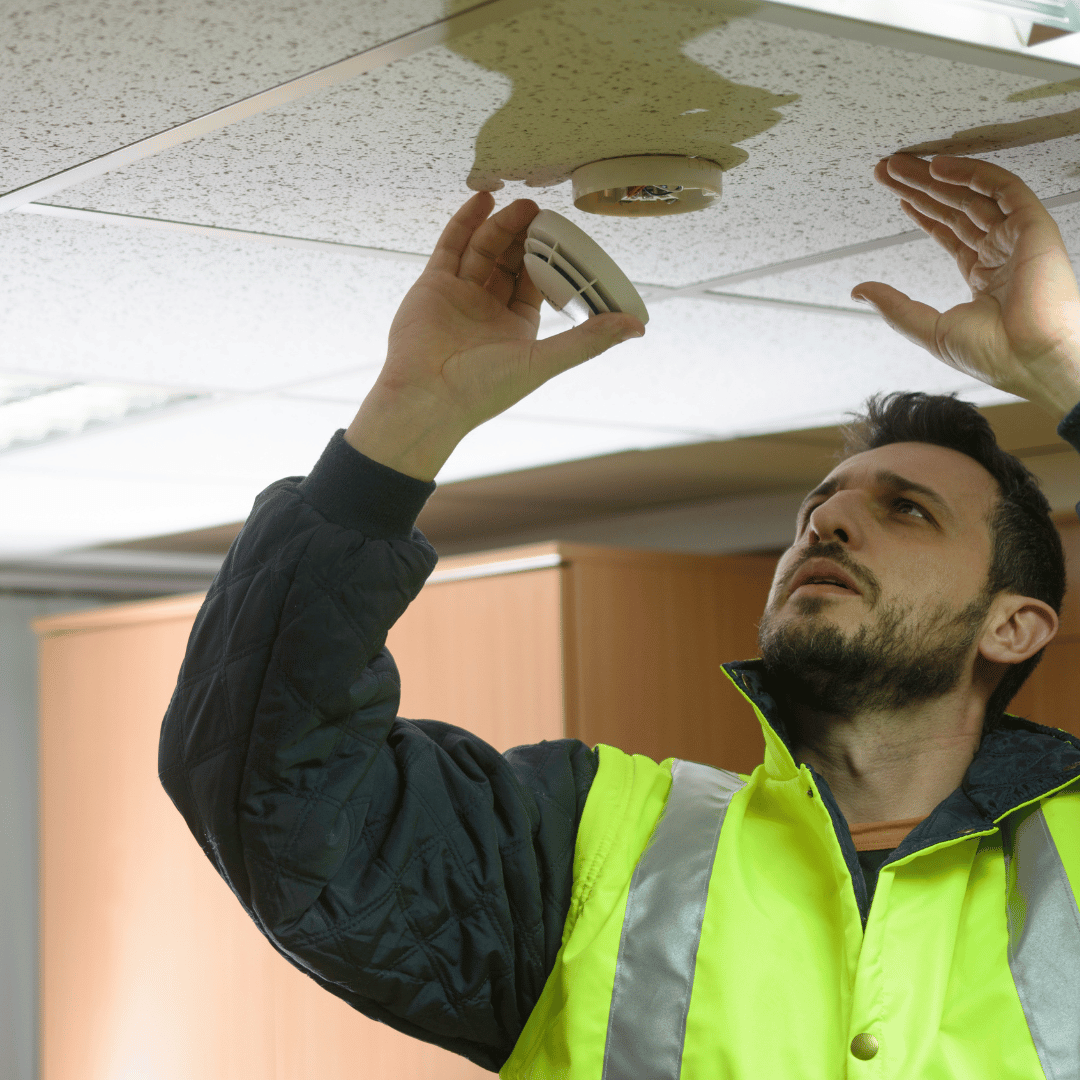
Ah, the sweet symphony of modern domestic life. Sometimes it's the gentle hum of the dishwasher, other times it's the insistent, soul-piercing BEEP! every five seconds from your carbon monoxide alarm. We've all been there, right? That sudden jolt from a peaceful afternoon, wondering if you're about to become part of a real-life thriller, or if your home is just having a dramatic moment. It's not just a beep; it's a relentless, rhythmic assault on your sanity.
The Persistent Ping: When Your CO Alarm Becomes a Time Bomb of Annoyance
There’s a special kind of dread that accompanies that particular beep. It's not the chirpy "I'm low on battery" warning from a smoke alarm that gives you a few weeks' grace. No, this is the "I demand your attention NOW!", every five seconds, without fail. It transforms your tranquil abode into a high-stakes game of "What's That Sound?" and honestly, it’s enough to make you want to move into a tent.
For many, the first instinct is a mix of panic and annoyance. Is it real? Is the house about to become an episode of a true-crime podcast? Or is it just another Sunday chore trying to get your attention?
Must Read
Decoding the Drama: Is It Real or Just a Drama Queen?
Let's be real, the vast majority of these incessant five-second alerts aren't actually signaling an invisible killer. More often than not, your alarm is trying to tell you one of two things, and bless its heart, it doesn't have a volume knob for subtlety.
The most likely culprit? A low battery. Yep, the same scenario that plagues your TV remote. Carbon monoxide alarms, much like their smoky cousins, need juice to do their job. And when that juice runs low, they let you know in the most attention-grabbing way possible. It's like a toddler who needs a snack, but instead of "I'm hungry," you get "BEEP! BEEP! BEEP!"

The second common reason, and one many people overlook, is that your alarm has reached its end-of-life. That's right, these vigilant guardians don't last forever. Most CO alarms have a lifespan of about 5-7 years. After that, their sensors become less reliable, and they're programmed to start chirping to tell you it's time for a replacement. Think of it as an electronic pension plan – they've served their time!
Of course, there's always the serious, but less frequent, reason: an actual carbon monoxide leak. CO is often called the "silent killer" because it's odorless, colorless, and tasteless. If your alarm is going off for this reason, it's doing exactly what it's designed to do, and you need to take it seriously.
Your Troubleshooting Toolkit: Quick Fixes & Smart Moves
Before you smash it with a hammer (please don't!), here's your practical guide to silencing the beast:
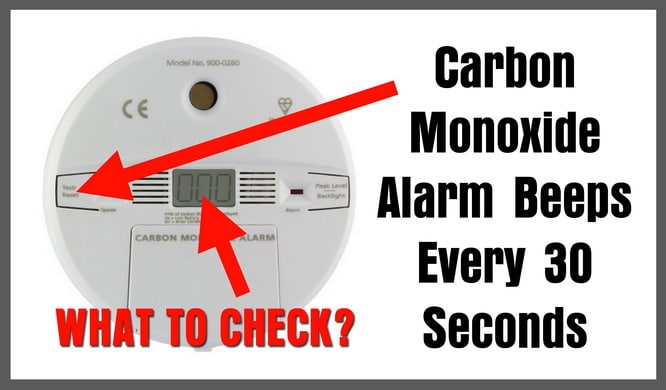
Battery Check First: Grab a new 9-volt or AA batteries (check your specific model). Most alarms twist off their base or have a little latch. Pop in the new power source and see if peace is restored. If it is, congrats, you've won today's domestic battle!
Expiry Date Detective: Flip the alarm over. There should be a "replace by" date or a manufacture date. If it's past its prime, it's time for a new one. This is one of those fun little facts homeowners often miss. "Wait, these things expire?!" Yes, they do!
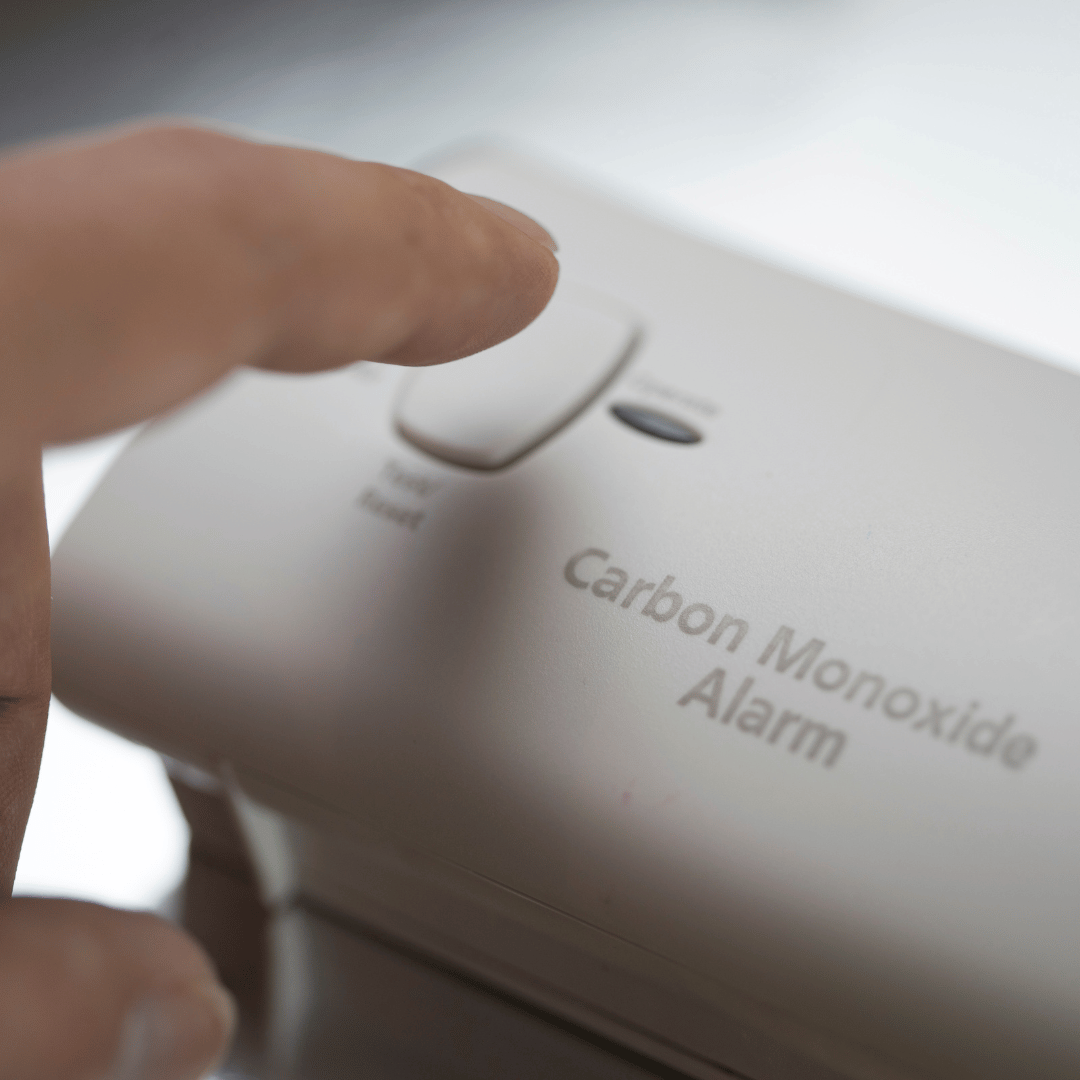
Carbon Monoxide Alarm Going Off Every 30 Seconds: Causes, Solutions The Real Deal Scenario: If changing the battery and checking the date don't work, and especially if anyone in the household is feeling unwell (headache, dizziness, nausea – symptoms similar to flu), don't take chances. Open windows and doors, get everyone (and pets!) outside into fresh air, and call your local fire department or emergency services immediately. They have the equipment to detect CO levels safely.
Ventilation Station: Sometimes, even everyday activities can cause a temporary CO spike. Running your car in an attached garage, a barbecue too close to the house, or a fireplace with a poor draft can trigger an alarm. Make sure your home is well-ventilated during and after using fuel-burning appliances.
Carbon Monoxide Alarm Going Off Every 30 Seconds: Causes, Solutions
Beyond the Beep: Proactive Peace of Mind
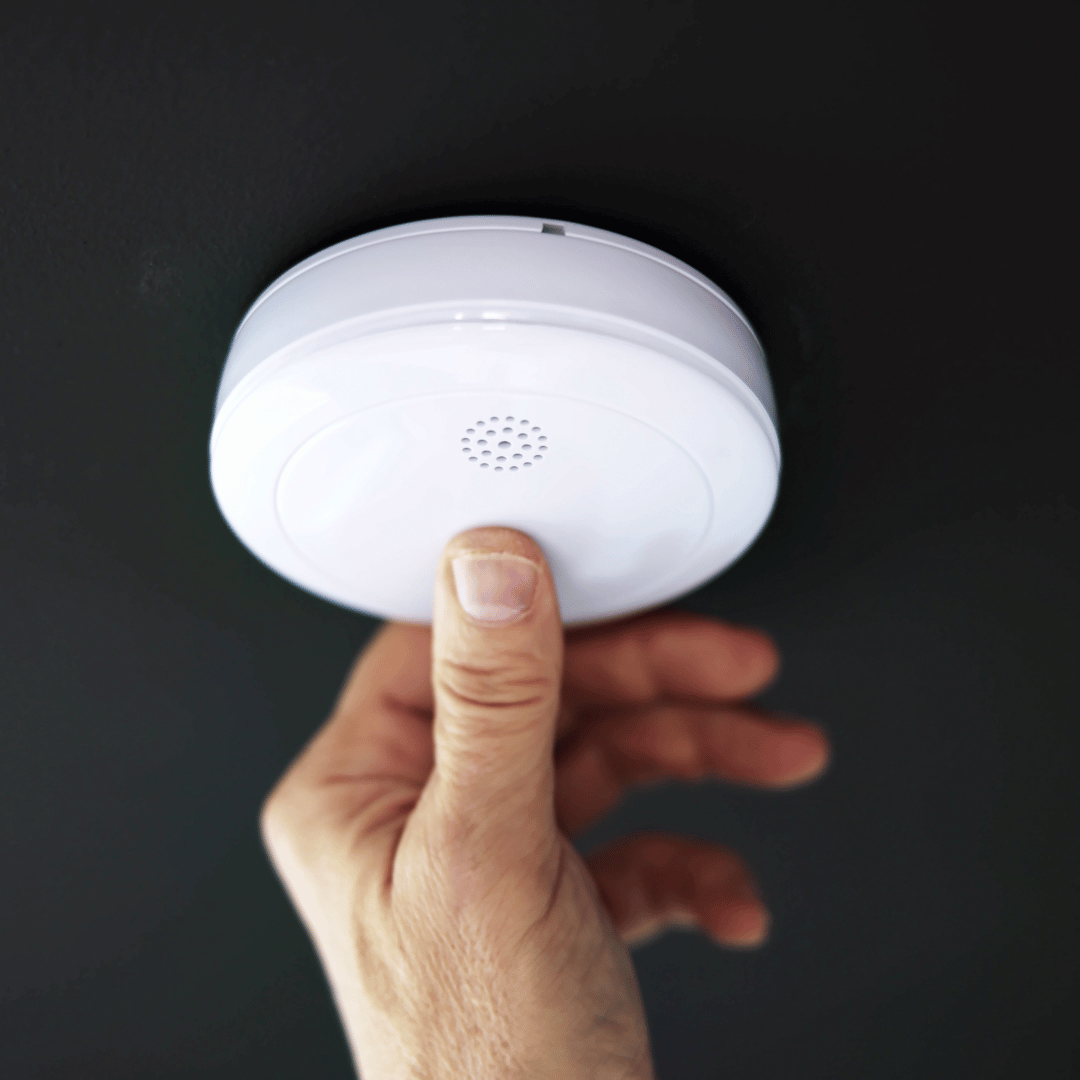
Once you've quelled the five-second fury, consider these tips for long-term tranquility. Test your alarms monthly using the test button. It’s a quick sanity check that confirms it’s still working. Also, remember to install CO alarms on every level of your home, especially near sleeping areas. They're not just for the basement or utility room. Many modern units combine smoke and CO detection, offering double duty protection.
Fun fact: Did you know that common household items like gas stoves, furnaces, water heaters, and even clothes dryers can produce carbon monoxide if not properly maintained or vented? Regular appliance maintenance is key!
Life's Little Alarms: A Final Thought
That relentless five-second beep, as annoying as it is, serves as a crucial reminder. It's a signal to pay attention, to not ignore the subtle (or not-so-subtle) warnings in our lives. Whether it's the blaring alarm of a life-saving device or a quieter nudge from our own bodies telling us to slow down, listen to the signals. Sometimes, the most irritating disruptions are precisely what keep us safe and sound, reminding us to take care of our homes, and more importantly, ourselves.