
Can You Throw Flour On A Grease Fire

Ever found yourself in the kitchen, perhaps deep into a culinary adventure, when a tiny grease fire suddenly erupts? Your heart does a little flip, right? And in that split second of panic, a wild, almost cartoonish thought might flash through your mind: “Hey, I’ve got flour! Maybe I can just… throw it on?”
It’s a natural, albeit slightly chaotic, thought process. After all, flour is powdery, it’s dry, it’s right there! Surely, it would smother the flames, make everything better, and turn you into a kitchen hero. Right?
The Great Flour Myth: A Recipe for Disaster?
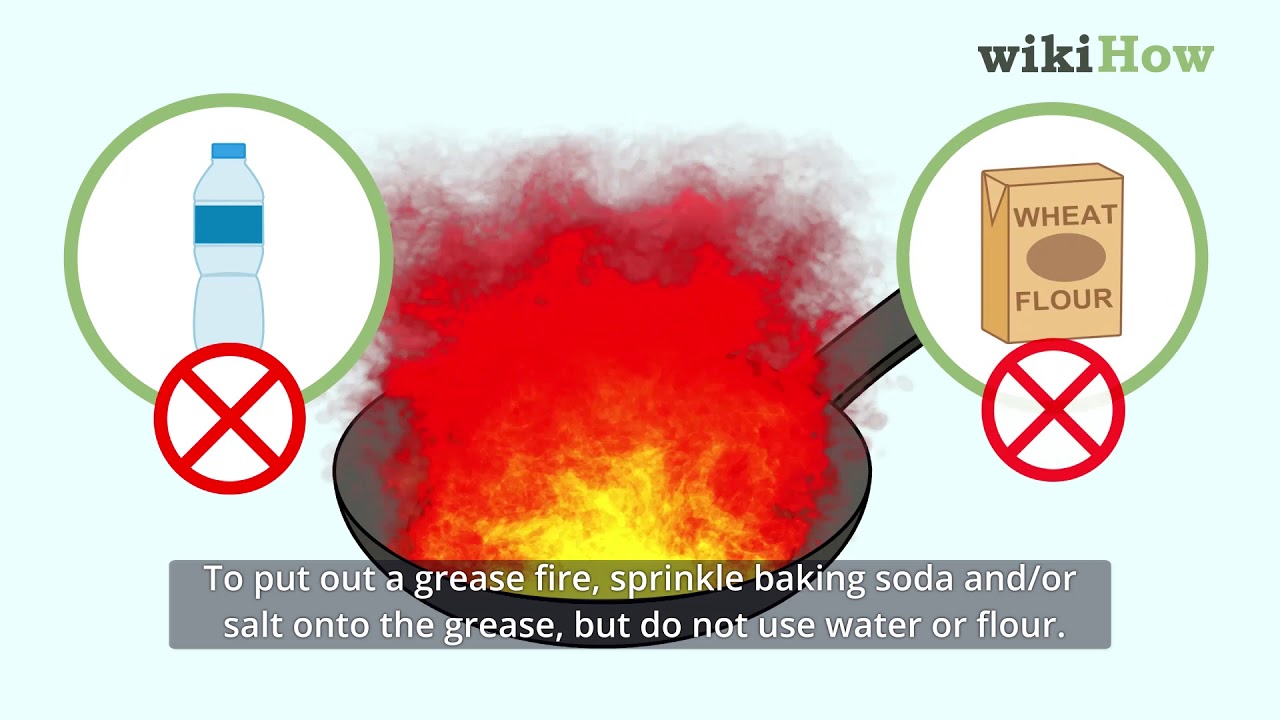
Let’s cut to the chase, my friend, and save you from a potentially explosive (literally!) situation. The answer to “Can you throw flour on a grease fire?” is a resounding, emphatic, and slightly dramatic: absolutely not! In fact, doing so is one of the worst things you could possibly do. And trust me, you don't want to learn this one the hard way.
Must Read
Imagine, if you will, sprinkling flour onto a sizzling grease fire. Instead of a heroic extinguishment, you're more likely to create a spectacular (and terrifying) flash fire. We’re talking about a sudden, dramatic flare-up that can quickly spread, injure you, and seriously damage your kitchen. Not exactly the culinary triumph you were aiming for, is it?
Why Flour Goes Boom: A Little Science, A Lot of Fun!
So, why does flour turn into an incendiary device when faced with hot oil? It’s all about something called a dust explosion. And it’s surprisingly fascinating!
Flour, while seemingly innocent, is made up of incredibly tiny particles. When you throw it into the air, these tiny particles spread out. This creates an enormous amount of surface area exposed to oxygen. Add in the intense heat from a grease fire, and you’ve got yourself the perfect (and terrifying) storm for rapid combustion.
Think of it like this: a solid log burns slowly. But if you shave that log into a pile of super-fine sawdust, it would ignite and burn much, much faster and more intensely. Flour is essentially super-fine, dry fuel just waiting for the right conditions to really put on a show. The grease fire provides the heat, the kitchen air provides the oxygen, and your thrown flour provides the finely dispersed fuel. Boom! Or rather, whoosh!

This isn't just a kitchen quirk, either. This principle is why things like grain silos, sawmills, and even powdered sugar factories have to take extreme precautions against dust explosions. It's real science, at play in your very own home!
Beyond the Bang: Why Knowing This Makes Life Better
Okay, so we’ve established that flour is a no-go for grease fires. But why does this specific, slightly alarming piece of knowledge make life more fun and inspiring?
First, it turns you into a kitchen sage. Imagine a friend panicking over a small stovetop fire, reaching for the flour, and you, calm as a cucumber, interjecting with, “Hold it right there! That’s a dust explosion waiting to happen!” You’ve not only potentially saved the day but also shared a cool piece of scientific trivia. That's a superpower right there!

Second, it ignites (pun intended!) curiosity. If flour is dangerous, what is safe? This question leads you down a delightful rabbit hole of practical knowledge: how to use a fire extinguisher, the magic of baking soda for small fires, and the simple elegance of a lid to smother flames. You become more resourceful, more prepared, and ultimately, a more confident cook.
The True Heroes: What TO Do!
So, when that grease fire inevitably tries to crash your cooking party, here’s how to be the actual hero:

- Turn off the heat: First and foremost, starve the fire of its fuel source.
- Smother it: Gently slide a metal lid or a baking sheet over the pan to cut off the oxygen. No oxygen, no fire!
- Baking Soda: For smaller fires, a generous amount of baking soda can help. It releases carbon dioxide, which smothers the flames. (Note: Make sure it's baking soda, not baking powder, and definitely not flour!)
- Fire Extinguisher: If things get bigger, use a Class K fire extinguisher for kitchen fires. Aim at the base of the flames.
- Get Out: If the fire gets out of control, evacuate immediately and call emergency services.
And remember the golden rule: Never, ever use water! Water will cause the grease to splatter, spreading the fire and potentially causing serious burns.
Embrace the Wonderful World of "Why"!
Learning things like the danger of flour on a grease fire isn't just about avoiding catastrophe; it's about engaging with the world around you in a deeper, more informed way. It's about turning a moment of potential panic into an opportunity for understanding and growth.
The next time a seemingly random question pops into your head – whether it’s about cooking, science, history, or how anything works – embrace it! That little spark of curiosity is your invitation to explore, learn, and make life a whole lot more interesting. Because when you understand the "why," you not only gain knowledge, but you also gain confidence, a sense of wonder, and a deeper appreciation for the amazing world we live in. Go forth, be curious, and keep those kitchens safe and sparkling with knowledge!