Can You Test For Carbon Monoxide Poisoning
Ever woken up feeling a bit… off? Not quite sick, not quite well. Maybe a headache that feels like a tiny gnome is tap-dancing on your brain, or that weird woozy feeling you get after spinning in circles as a kid (but you haven't spun in circles in years). You shrug it off, blame a bad night's sleep, or perhaps that questionable leftover pizza from Tuesday. But what if there's a stealthier culprit at play, one you can't see, smell, or taste? We're talking about carbon monoxide, the ultimate party crasher that doesn't even bring snacks.
The Invisible Intruder: Can You Sniff It Out?
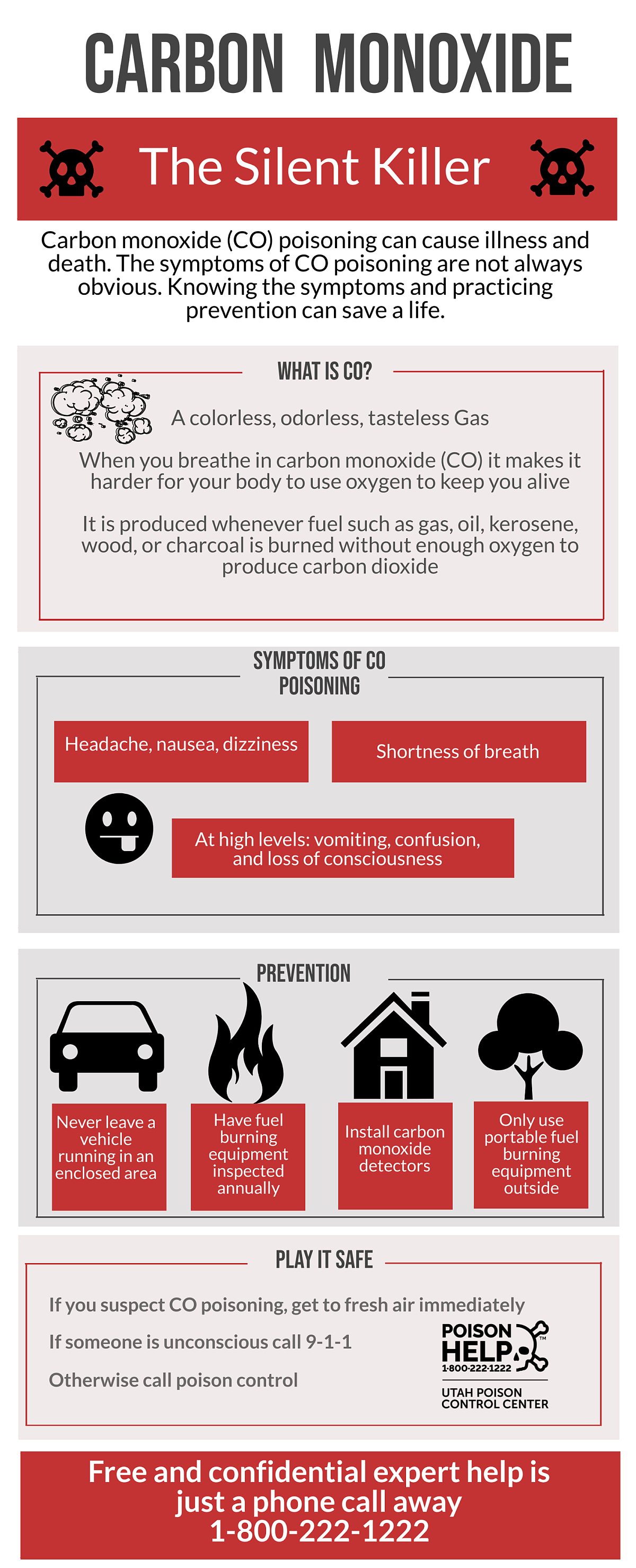
Carbon monoxide (CO) is often called the "silent killer" for a reason. It's like that super sneaky sibling who ate the last cookie and left no crumbs – absolutely no trace. Seriously, it's colorless, odorless, and tasteless. So, if you're wondering, "Can I just take a big whiff and know if it's there?" the answer is a resounding, nope! Your nose, as magnificent as it is for sniffing out fresh-baked bread or suspicious gym socks, is utterly useless against CO.
Imagine trying to see air. Or taste silence. That's essentially what you're up against with CO. It's truly a master of disguise, which is why it's so incredibly dangerous. It can build up in your home from faulty furnaces, gas stoves, water heaters, or even idling cars in attached garages. And before you know it, you might just think you're having a really, really bad day.
Must Read
Your Home's Tiny Lifeguard: CO Detectors
So, if your natural senses are out of the game, how do you play detective? Enter the unsung hero of home safety: the carbon monoxide detector. Think of it as your house's personal bouncer, constantly checking IDs at the door for this invisible troublemaker.
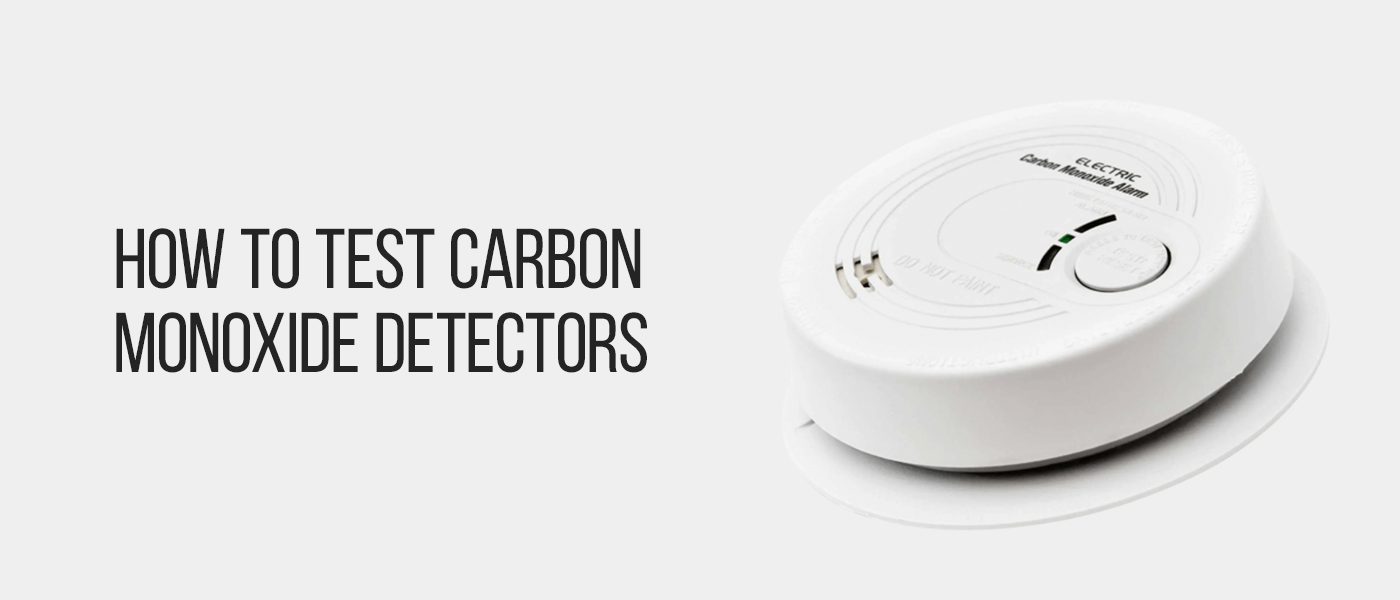
These little gadgets are essentially the only way to "test" your home for CO on an ongoing basis. They sit there quietly, minding their own business, until CO levels get too high. Then, BAM! They start beeping louder than a disgruntled alarm clock on a Monday morning, letting you know it's time to get out.
It’s not some fancy scientific experiment you need a lab coat for. It's as simple as buying one, plugging it in (or popping in batteries), and giving it a little test button push every now and then, just to make sure it's still alive and kicking. Just like you'd test your smoke detector – though hopefully, less often! Place them strategically: near bedrooms, on every level of your home, and especially if you have fuel-burning appliances.
When Your Body Needs a Check-Up: The Medical Side
What if you've already been exposed, and you're feeling those weird symptoms – that brain fog, the headache, nausea that makes you wish you'd never seen another cracker? Can doctors test for CO poisoning in you? Absolutely!

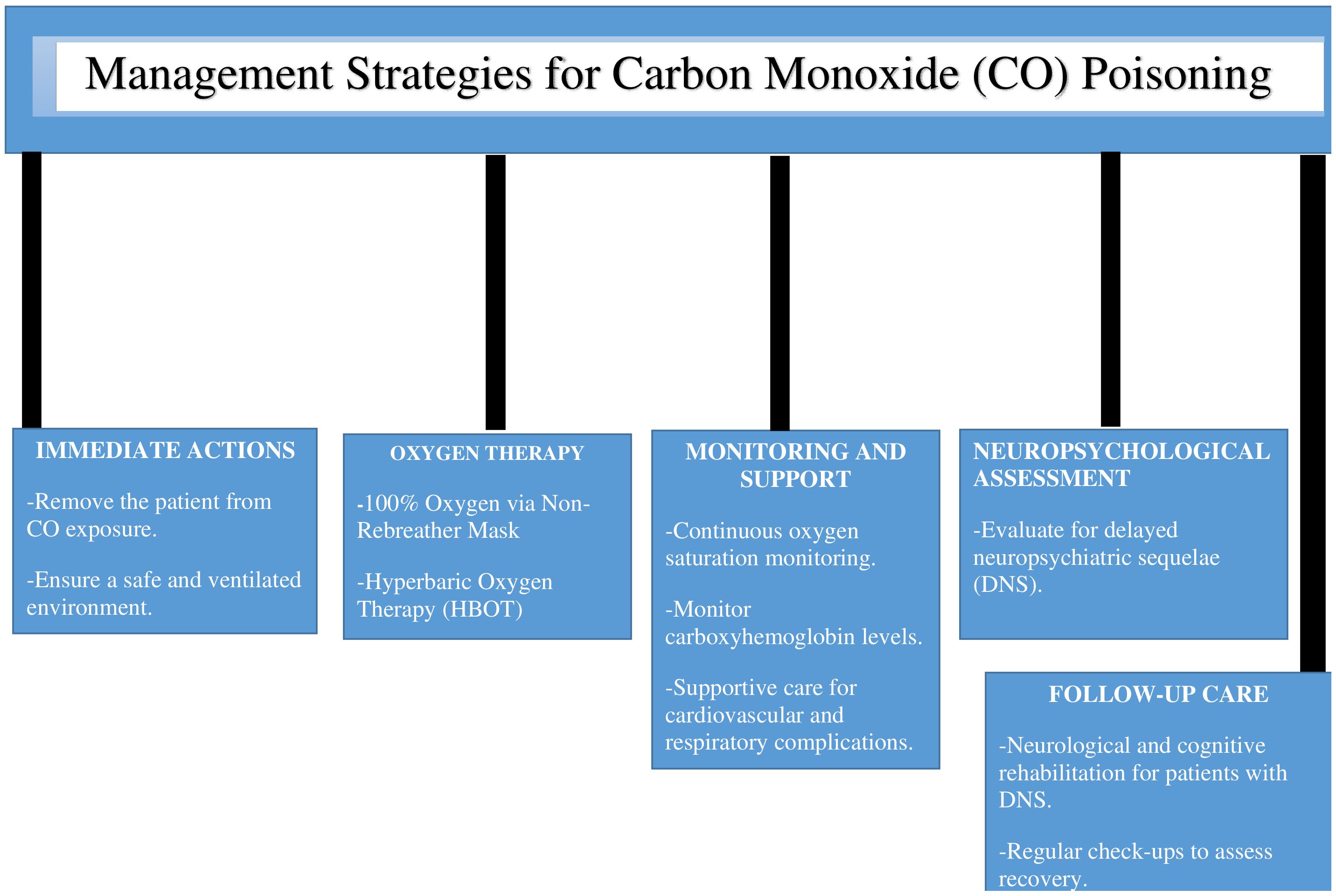
If you suspect CO poisoning, or you've been in an environment where a detector went off, a trip to the doctor or emergency room is crucial. They can perform a simple blood test to check the level of carbon monoxide in your blood. This isn't like your annual physical; it's a specific test that looks for carboxyhemoglobin, which is what forms when CO hitches a ride on your red blood cells, pushing oxygen out of the way.
This test is the definitive way to confirm CO poisoning in a person. It's like getting a direct report from your internal system, telling the doctors exactly what's been going on. They won't just guess; they'll have the numbers.
Why the Fuss? A Quick Symptom Check
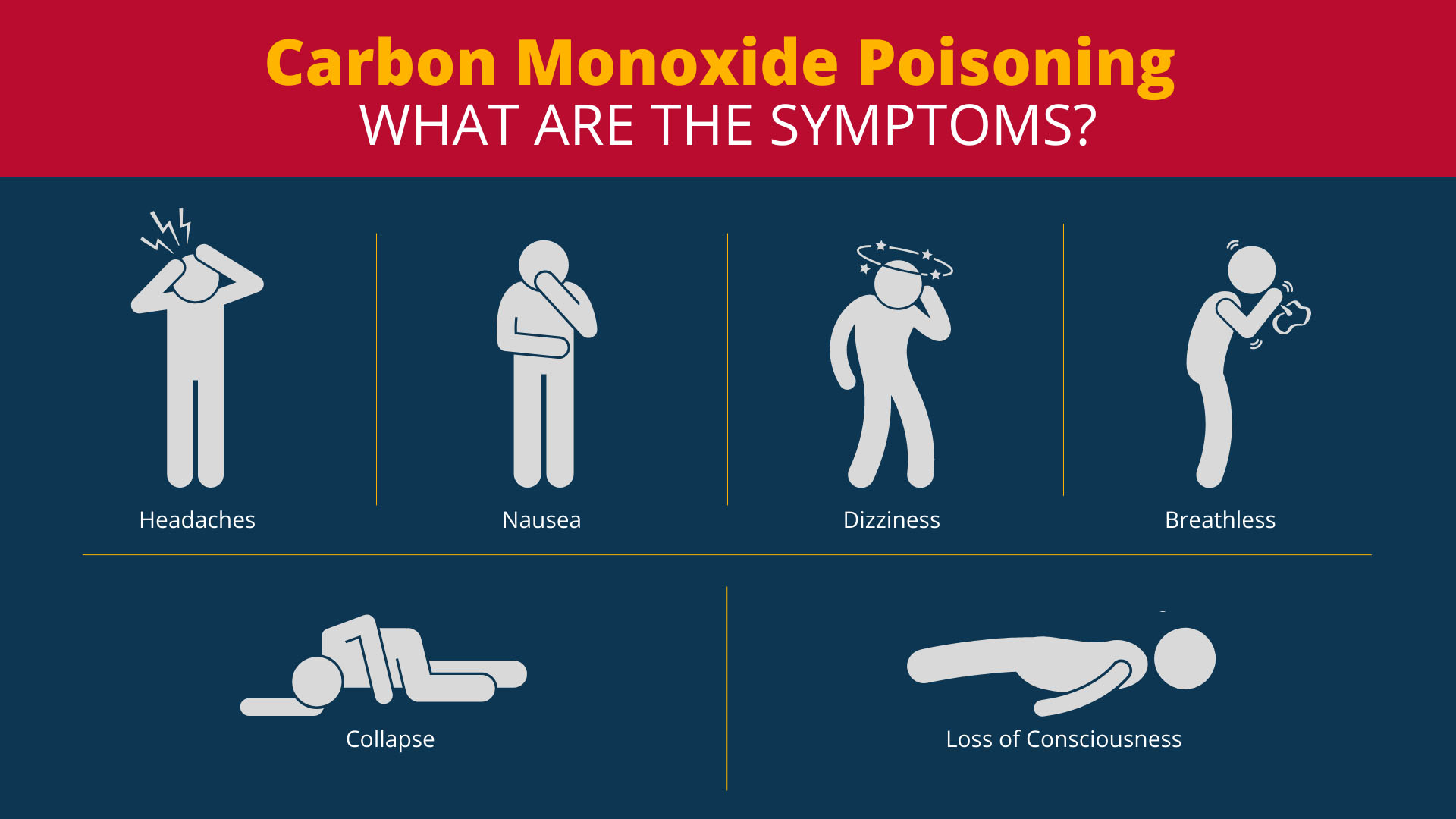
The symptoms of CO poisoning can be annoyingly vague, often mimicking the flu, a bad cold, or even food poisoning. That's why it's so easy to dismiss them. We're talking:
- Headaches (the gnome-tap-dancing kind)
- Dizziness and weakness (like you've just run a marathon you didn't train for)
- Nausea and vomiting (the kind that makes you regret ever eating)
- Confusion (suddenly you can't remember where you put your keys, or your name)
- Chest pain (definitely not a good sign)
Keep It Simple, Keep It Safe
So, can you test for carbon monoxide poisoning? Yes, in two main ways:
- For your home: Invest in CO detectors and make sure they're working. It's a small expense for a huge peace of mind. Treat them like your home's vigilant guardian.
- For your body: If you feel unwell and suspect exposure, get to a doctor or ER for a blood test. Don't try to "sleep it off" or self-diagnose based on Dr. Google!
Ultimately, protecting yourself and your loved ones from carbon monoxide poisoning isn't about having a sixth sense or a degree in atmospheric chemistry. It’s about being proactive, having the right tools in your home, and knowing when to seek professional medical help. Stay safe, stay smart, and keep those invisible party crashers out!