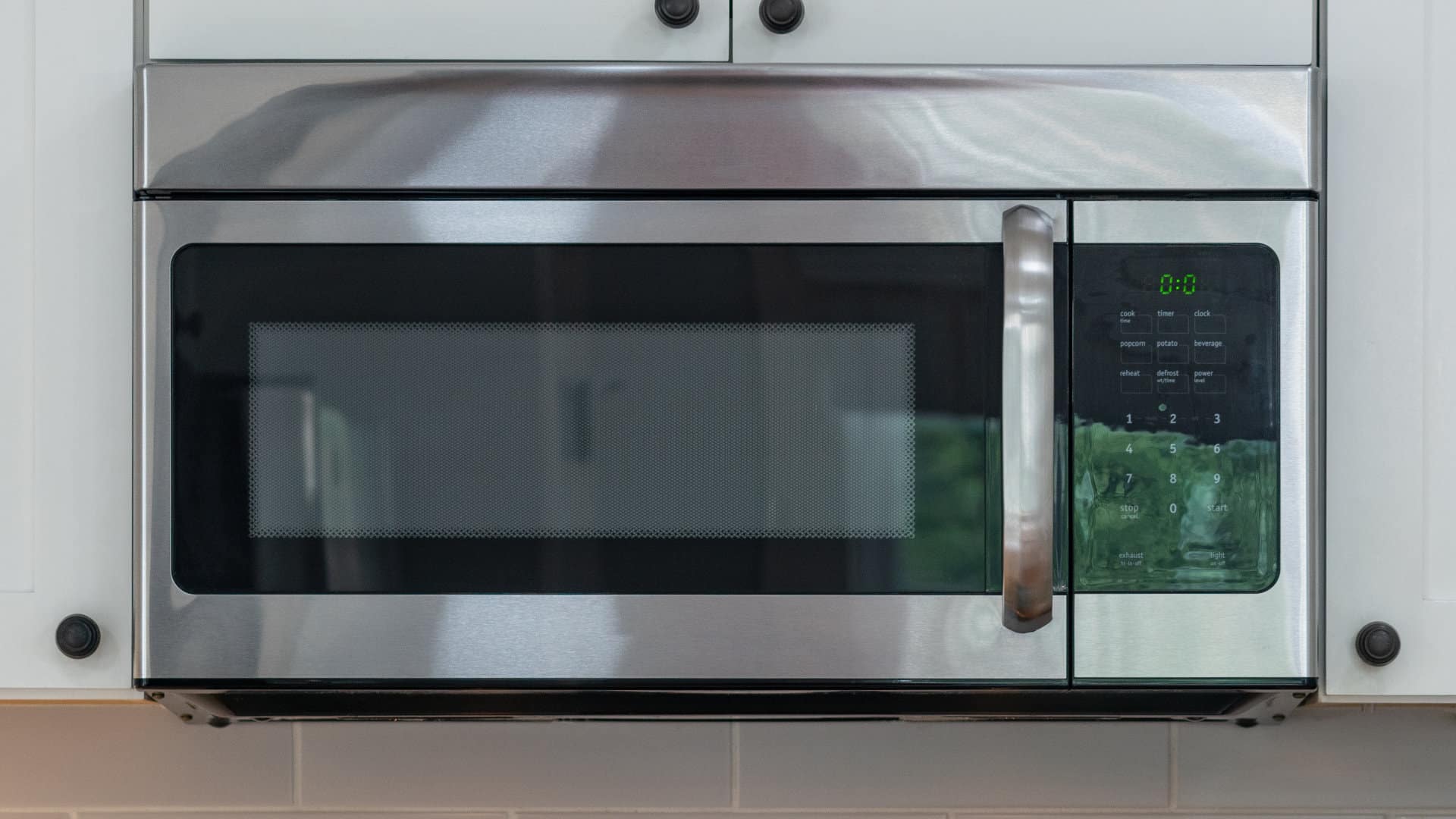
Can You Put Glass In Microwave

The microwave: a modern marvel, a kitchen staple, and a source of endless culinary debate. Can you nuke that leftovers container? Is plastic a total no-go? And the question that keeps on giving: can you even put glass in the microwave? Let’s unpack this sizzling topic with a dash of practicality and a sprinkle of pop culture.
The Glass Ceiling (or, the Glass Question)
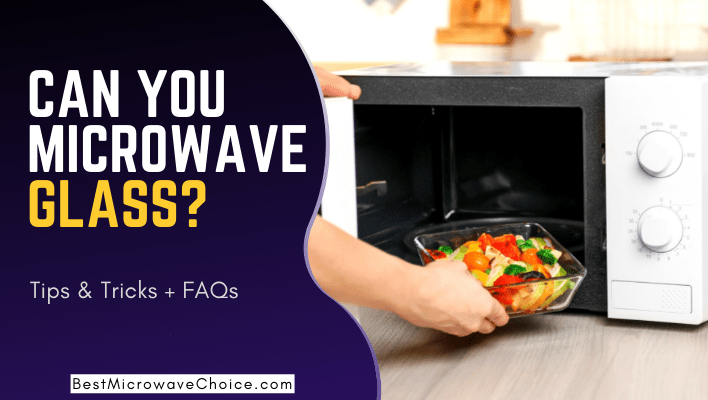
Generally speaking, the answer is yes. Most glass cookware and food storage containers are microwave-safe. But, like choosing the perfect avocado, it’s all about knowing what to look for. Think of it like choosing the right filter for your Instagram post; a little knowledge goes a long way.
Heat-resistant glass, such as borosilicate glass (think Pyrex), is designed to withstand the rapid temperature changes that occur in a microwave. These materials are formulated to be less susceptible to thermal shock, which is what happens when glass cracks or shatters due to uneven heating. So, your vintage Pyrex casserole dish? Probably fine (but still proceed with caution, more on that later!).
Must Read
The "Not-So-Safe" Zone
However, not all glass is created equal. Thin glass, such as that used in some drinking glasses or decorative items, is often not microwave-safe. The rapid heating can cause it to shatter. Imagine the chaos – a mini glass explosion in your microwave, leaving you with a sparkly mess and a ruined lunch. No, thanks!
Crystal, with its lead content, is also a definite no-no. The lead can leach into your food, and nobody wants a side of heavy metals with their reheated pasta. Think of it as the culinary equivalent of wearing white after Labor Day – just don't do it.
And what about glass with metallic rims or decorations? Those are basically microwave magnets for disaster. The metal can cause sparks and even start a fire. It's like trying to play heavy metal music through a tin-can telephone – just not going to work!
The Label is Your Friend
The easiest way to know if your glass is microwave-safe is to check the bottom for a symbol. Look for a microwave-safe icon, which often looks like a microwave oven with wavy lines inside. If you don't see the symbol, err on the side of caution. It's better to be safe than sorry (and cleaning up shards of glass).

If you're unsure, you can also perform a simple test: place the empty dish in the microwave with a cup of water next to it. Microwave on high for one minute. If the dish remains cool while the water heats up, it's likely microwave-safe. If the dish gets hot, ditch it!
Practical Tips for Microwave Glassware
- Avoid drastic temperature changes. Don't take a glass dish straight from the freezer and pop it into the microwave. Let it warm up gradually.
- Don't overheat food. Overheating can put extra stress on the glass.
- Avoid using cracked or chipped glass. Even microwave-safe glass is weaker when damaged.
- Use microwave-safe lids or vented covers. This allows steam to escape and prevents pressure buildup.
Beyond the Science: A Little Food for Thought
Ultimately, microwaving food is more than just a convenience; it's a reflection of our fast-paced lives. We’re constantly seeking ways to streamline our routines, and the microwave plays a crucial role. But let’s not forget the importance of mindful eating, whether it's taking a moment to appreciate the aroma of your freshly reheated leftovers or ensuring that you're using safe and appropriate cookware.
So, the next time you reach for that glass container, take a second to consider its origins and its purpose. A little bit of knowledge and a healthy dose of caution can ensure that your microwave experience is safe, efficient, and perhaps even a little bit more enjoyable. After all, who wants to spend their lunch break dealing with a glass-splattered microwave?