
Can You Change Dog Food Flavors

So, picture this: your furry best friend, Fido, staring forlornly at his bowl. It’s filled with the same kibble he’s been eating for months. Is he bored? Is he staging a canine culinary coup?
The age-old question arises: can you actually switch up your dog's food flavors without unleashing a torrent of digestive upset?
The Great Flavor Debate: A Dog's Perspective
Let’s be honest, we humans get bored of eating the same thing day in and day out. We crave variety, that delicious dance of different tastes.
Must Read
But do dogs feel the same way? Well, they can! While dogs don't have the same complex taste buds as us, they are more sensitive to smell.
Imagine smelling the same perfume, same flower, same everything all the time. Little boring, right?
The Science of the Snout: More Than Meets the Tongue
Dogs primarily experience flavor through their noses. Their sense of smell is, like, a million times better than ours!
So, a change in food flavor might not be about the taste buds jumping for joy, but the nose doing a happy dance.
This is why a food with a different, more appealing scent might suddenly become Fido's new favorite.
But remember, every dog is an individual. Some are adventurous eaters, while others are staunch traditionalists.
The Perils and Profits of a Flavor Fiesta
Now, before you rush out and buy every flavor of kibble under the sun, a word of caution. A sudden change in diet can wreak havoc on your dog's digestive system.
Think of it like switching from a lifetime of mild cheddar to a ghost pepper. Your stomach (and your dog’s) might not be too happy.
The key is gradual transition. This is important!
The Gradual Grub Gamble: A Step-by-Step Guide
The safest way to introduce a new flavor is to mix it with the old. Start with a small amount, like 25% new food and 75% old food.
Over the course of a week or two, gradually increase the amount of new food while decreasing the amount of old.
This gives your dog's tummy time to adjust and minimize the risk of... well, you know... unpleasant surprises.
If you see any signs of digestive upset like diarrhea, vomiting, or gas (more than usual!), slow down the transition or even revert back to the old food entirely.
Beyond the Bowl: Finding the Right Flavor for Fido
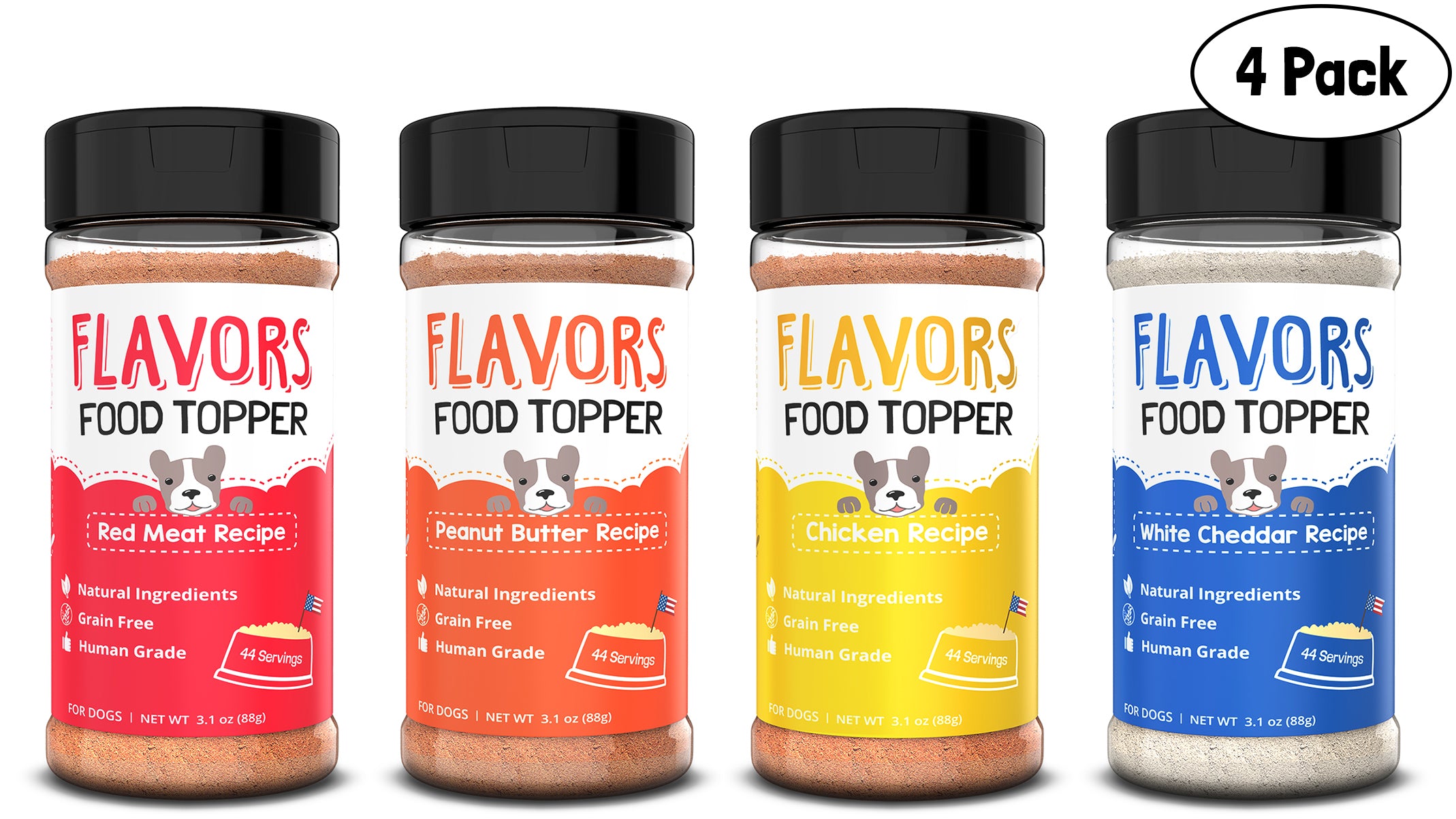
So, what flavors are even out there? Chicken, beef, lamb, fish, duck, venison...the list goes on! It can be overwhelming.
Consider your dog's individual needs and preferences. Does he have any allergies or sensitivities? Consult your vet for the best food options.
Some dogs thrive on a protein-rich diet, while others do better with grain-free options.
Listen to Your Pup: Decoding the Canine Culinary Code
Pay attention to your dog's reaction to different foods. Does he gobble it down with gusto, or does he turn up his nose in disdain?
Sometimes, it's a process of trial and error to find the perfect flavor profile that suits your dog's palate.
And remember, a healthy dog is a happy dog. Choose a high-quality food that meets his nutritional needs, regardless of the flavor.
Don’t fall for marketing hype or trendy ingredients. Do your research, read labels, and choose a food with wholesome, recognizable ingredients.
The Fun Factor: Making Mealtime an Adventure
Switching up your dog's food flavor can be a fun way to add some excitement to mealtime. Think of it as a culinary adventure for your furry friend!
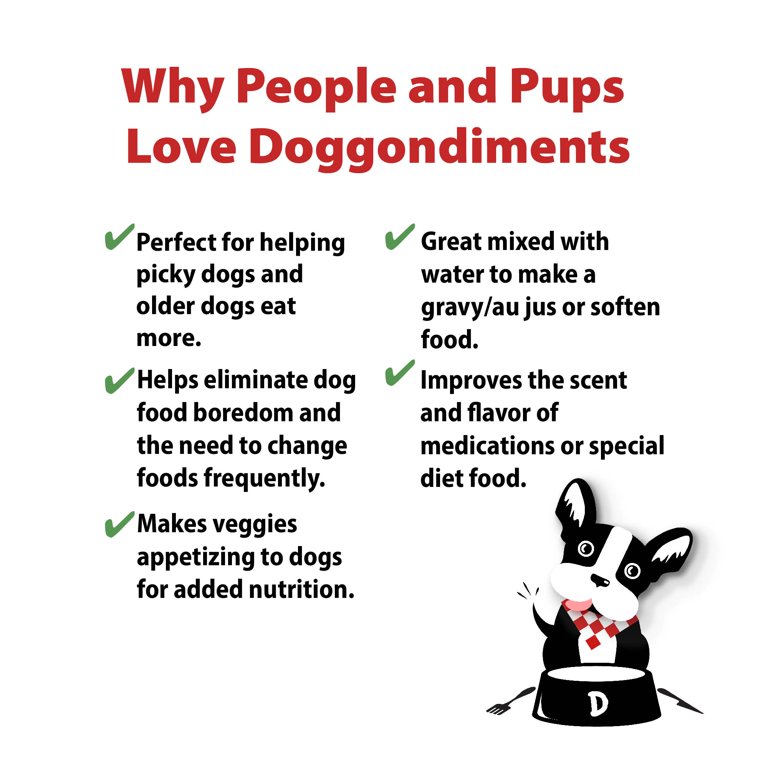
Try incorporating different textures and formats, like adding a little wet food to his dry kibble.
You can also use food puzzles or interactive feeders to make mealtime more engaging and mentally stimulating.
The Art of the Food Puzzle: A Brain-Boosting Buffet
Food puzzles are a great way to challenge your dog and make him work for his food. They come in various shapes and sizes, and they require your dog to use his problem-solving skills to access the kibble.
This can help prevent boredom and destructive behavior, and it can also slow down fast eaters.
And hey, watching your dog figure out how to get his food is pretty entertaining too!
When to Stick with the Status Quo: The "If It Ain't Broke" Rule
Of course, there are times when it's best to stick with what you know. If your dog is thriving on his current food, with a healthy coat, good energy levels, and solid stools, there's no need to change it.
As the saying goes, "If it ain't broke, don't fix it."
However, even if you're sticking with the same brand and formula, you can still add variety to your dog's diet with healthy treats and snacks.
The Treat Trick: Adding Variety Without the Tummy Trouble
Offer a variety of healthy treats, like carrots, apple slices, or blueberries (in moderation, of course!). These can provide a boost of nutrients and keep your dog interested.

You can also try different types of chews, like bully sticks or dental chews, to help keep his teeth clean and his mind engaged.
Just be sure to choose treats that are appropriate for your dog's size and age, and always supervise him while he's chewing.
The Verdict: Flavor Freedom with a Few Fine Points
So, can you change your dog's food flavors? The answer is yes, with a few caveats. Gradual transition is key, and it's important to pay attention to your dog's individual needs and preferences.
Don't be afraid to experiment, but always prioritize your dog's health and well-being.
Ultimately, the goal is to find a food that your dog enjoys and that provides him with the nutrients he needs to thrive. It's a culinary journey that you and your furry friend can embark on together!
And who knows, maybe you'll even discover a new favorite flavor for yourself along the way!
But remember, if you’re ever unsure, always consult with your veterinarian. They are the experts and can help you make the best decisions for your dog’s individual needs.
Happy feeding!