
Can You Bake Polymer Clay On Aluminum Foil

The oven hummed, a metallic beast patiently waiting to transform humble clay into something... magical. My kitchen, usually a scene of culinary triumphs (and the occasional burnt offering), was today a pottery studio. Or, at least, a pottery-adjacent studio.
A tiny, glitter-encrusted dragon, scales shimmering under the fluorescent light, sat perched on a sheet of shiny, crinkled aluminum foil. He looked rather pleased with himself, considering his imminent date with 275 degrees Fahrenheit. He was my masterpiece. My magnum opus. Well, one of several that afternoon.
This whole polymer clay adventure started innocently enough. A rainy day, a desperate need for a new hobby, and a YouTube tutorial promising "easy, adorable creations!" I was hooked. Little did I know, I'd soon be debating the merits of different baking surfaces with the fervor of a seasoned ceramicist.
Must Read
The Great Foil Debate
See, the internet is a wonderful place. It's also a swirling vortex of conflicting information. One website screamed, "NEVER BAKE POLYMER CLAY ON FOIL!" Another declared it the only way to prevent dreaded shiny spots. My brain, already slightly melted from the creative process, threatened to short-circuit.
So, I did what any sane, rational, slightly-addicted-to-crafts person would do: I experimented. I grabbed a wad of polymer clay, rolled it into a somewhat presentable ball, and laid it carefully on a sheet of aluminum foil.
Another ball went directly onto a ceramic tile, another onto parchment paper. It was a bake-off, a clay-off, a…well, you get the idea. My oven was about to become the Thunderdome of crafting supplies.
The Foil's Defense
Let's be honest, aluminum foil is everywhere. It's the workhorse of the kitchen. It wraps leftovers, lines baking sheets, and can even be fashioned into a surprisingly effective hat to deflect alien mind control rays (allegedly).
It’s readily available and cheap. Plus, who doesn't love the satisfying crinkle as you tear off a sheet? It’s like a tiny, metallic symphony of convenience.

It reflects heat! That’s science, people! Surely, that reflective surface would ensure even baking, a golden-brown perfection achieved with minimal effort. I envisioned my little dragon emerging from the oven, glowing with an otherworldly radiance. He would be magnificent.
The Parchment Paper Conspiracy
Parchment paper, on the other hand, seemed… smug. Sitting there, all non-stick and brown, like it knew it was superior. The crafting blogs sang its praises. "No sticking! Easy cleanup!" It felt like a conspiracy against my beloved foil.
I stubbornly refused to be swayed. Foil was my friend. Foil was my ally. We would conquer the polymer clay world together!
Besides, parchment paper always seemed to disappear whenever I needed it most. It was like the socks of the baking world, vanishing into some alternate dimension, only to reappear months later when you'd completely forgotten about them.
The Tile Triumvirate
And then there was the ceramic tile. Solid, reliable, and utterly un-glamorous. It offered no promises of easy cleanup or reflective magic. Just pure, unadulterated baking surface.

It felt like the sensible choice, the grown-up decision in a sea of crafting whimsy. The kind of choice your grandmother would approve of. And you know what? Sometimes, grandma knows best.
The tile felt sturdy, dependable. It whispered promises of stability and even heat distribution. It was the quiet, unassuming hero of the baking surface world.
The Moment of Truth
The timer dinged, jolting me back to reality. It was time to face the music. Or, rather, the slightly singed polymer clay.
With bated breath, I opened the oven door. A wave of warm air rushed out, carrying the faint, slightly plastic scent of baking clay. My little dragon, still perched on his foil throne, looked none the worse for wear.
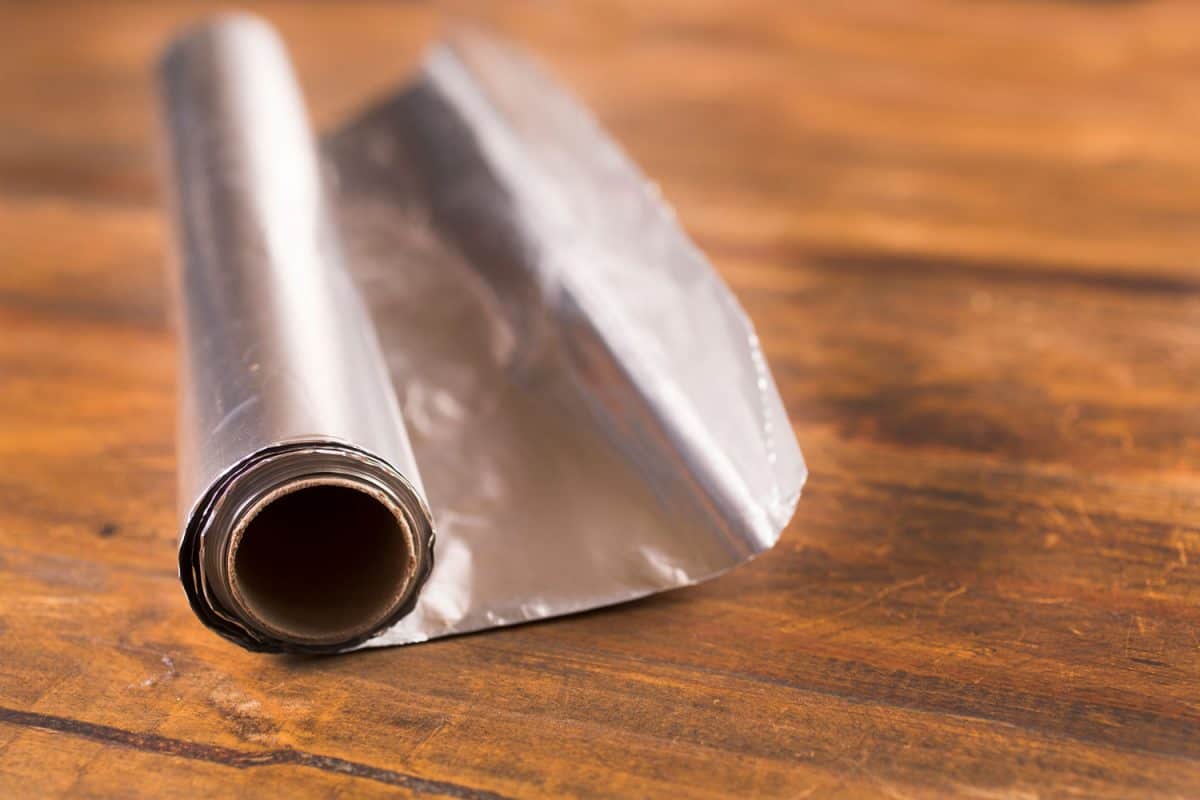
I carefully removed the specimens, each one a testament to my baking surface bravery. The foil-baked clay was…fine. Perfectly acceptable. No shiny spots, no burning, just…clay. It was anticlimactic, really.
The parchment paper clay looked equally unremarkable. Maybe the conspiracy theorists were wrong. Maybe parchment paper wasn't some magical, superior baking surface after all.
The Tile's Quiet Victory
But then I looked at the tile-baked clay. And there it was. A subtle, almost imperceptible difference. A slightly smoother finish, a more even color. It was the Goldilocks of baked clay – not too shiny, not too dull, just right.
The ceramic tile had emerged victorious. It wasn't flashy or exciting, but it delivered consistent, reliable results. Sometimes, the simplest solutions are the best.
I realized, with a sudden clarity, that the best baking surface wasn't about convenience or cost. It was about achieving the best possible outcome for my little clay creations.
A New Perspective
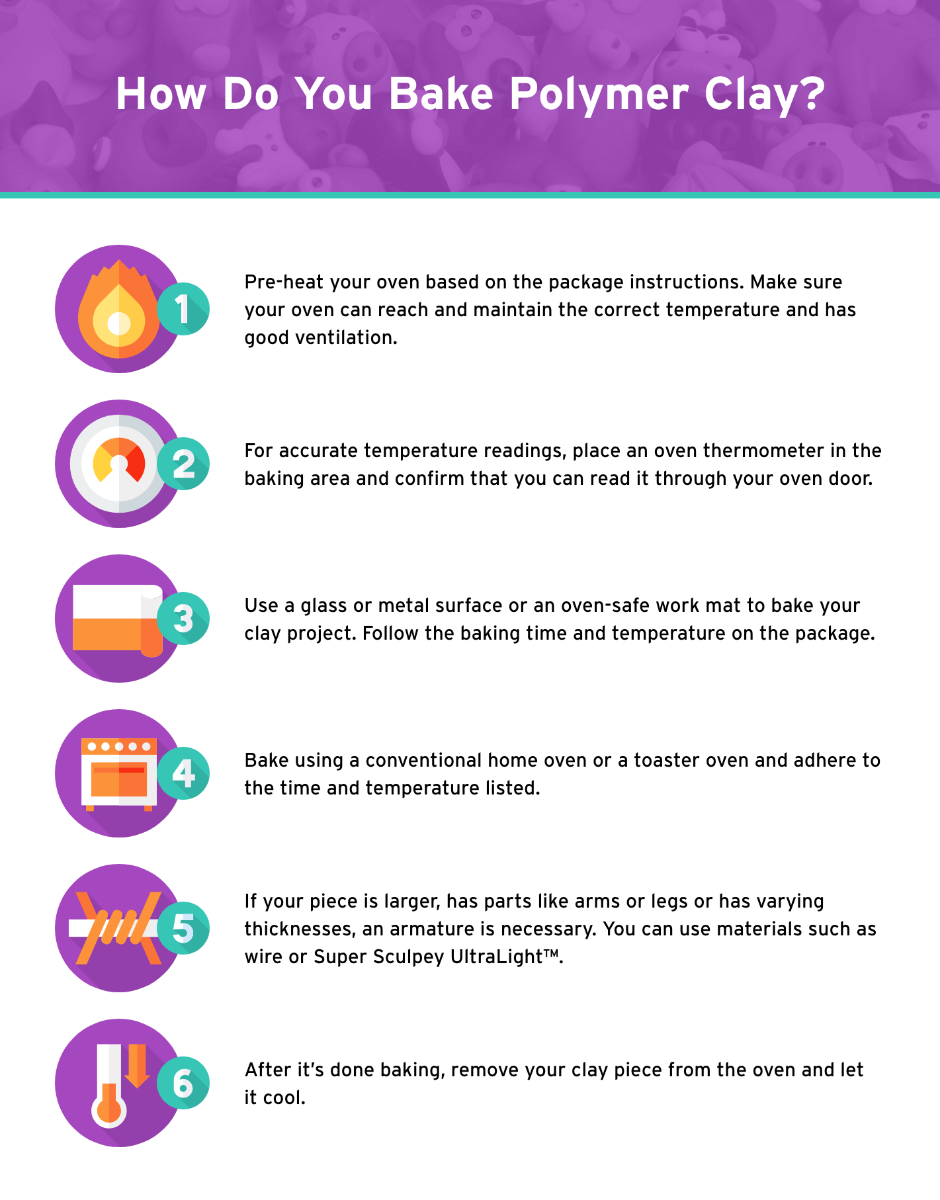
So, can you bake polymer clay on aluminum foil? Absolutely. Will it ruin your creations? Probably not. But is it the best option? Maybe not.
The real lesson here wasn't about foil versus parchment versus tile. It was about experimentation, about finding what works best for you and your crafting style.
And it was about embracing the joy of the process, the thrill of creation, the quiet satisfaction of transforming a lump of clay into something beautiful, something whimsical, something…dragon-shaped.
The Dragon's Verdict
As for my little dragon, he seemed unfazed by the whole ordeal. He sat there, shimmering on my desk, a tiny, glittery testament to the power of perseverance and the enduring appeal of polymer clay.
And you know what? That's all that really mattered.
Now, if you'll excuse me, I have a whole bag of clay and a renewed sense of purpose. The crafting world awaits!