
Can I Plug A Heater Into An Extension Cord
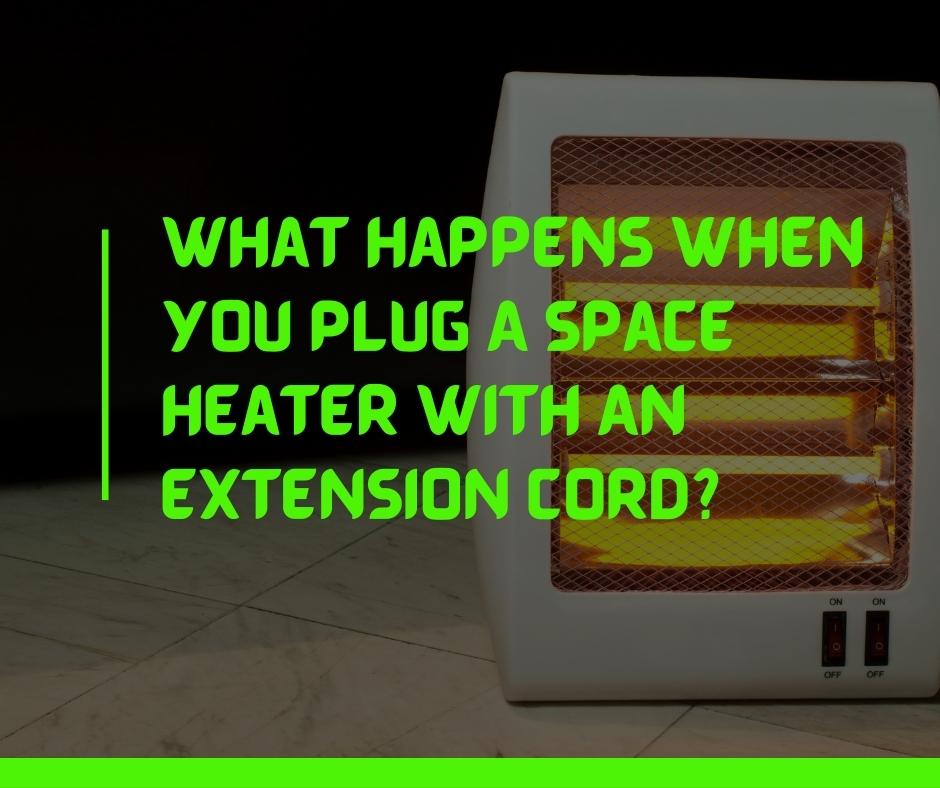
Okay, let's talk about something that's probably started more arguments than pineapple on pizza: heaters and extension cords. Seriously, it's a domestic dispute waiting to happen. Everyone has an opinion. And mine? Well, it might just ruffle some feathers.
Because honestly? I think sometimes, sometimes, you can plug a heater into an extension cord. Boom! I said it. The internet safety police are probably banging down my door as we speak.
But hear me out! We've all been there. It's freezing. You drag out your trusty space heater. You find the perfect spot. Ah, bliss! But wait… the cord is, like, three inches long. Is that even a cord? It's more of a… cord-stub. So, you glance at that lonely extension cord snaking along the wall, whispering promises of warmth. What do you do?
Must Read
The Official Party Line
Every website, every instruction manual, every well-meaning relative will shriek, "NOOOOOOO! Don't do it! Fire hazard! You'll burn your house down! You'll electrocute your cat!" They'll probably cite National Electrical Code violations and stories of houses going up in flames. And, to be fair, they're not entirely wrong.
There are legitimate reasons to be wary. Heaters suck a LOT of power. Extension cords, especially the cheap ones, aren't always up to the task. Overloaded circuits can get hot. Hot circuits can start fires. It's a whole domino effect of badness.
But… (and this is a BIG but)… are we really going to live in fear of a rogue extension cord? Are we going to shiver in the dark, haunted by visions of electrical Armageddon?

My (Possibly Unpopular) Opinion
Look, I'm not advocating for reckless electrical abandon. I'm not saying grab the thinnest, cheapest extension cord you can find and plug in a kilowatt heater and a hairdryer and a toaster oven all at once. That's just asking for trouble.
But if you're smart about it… if you use a heavy-duty extension cord, one that's specifically rated for high-wattage appliances… if you make sure it's in good condition, not frayed or damaged… if you don't overload the circuit… well, then I think you can probably get away with it. There I said it! I'm living on the edge!
It's all about understanding the risks and mitigating them. Think of it like eating sushi. Sure, there's a slight chance you'll get food poisoning. But if you go to a reputable restaurant, and the fish is fresh, you're probably going to be fine. Right? Extension cords are the sushi of the electrical world.

Maybe my unpopular opinion comes from growing up in an old house. We had outlets in the weirdest places. Extension cords were practically architectural features. We learned to respect electricity, but we also learned to work with it. (And yes, my dad was probably pushing the boundaries of safety. But he was an electrician, so he knew what he was doing... mostly.)
Do I Contradict Myself? Very Well, Then I Contradict Myself.
Of course, I have to add the disclaimer. I am NOT an electrician. This is NOT electrical advice. Follow all safety guidelines. Read the manuals. Consult a qualified professional. If you're not sure, don't do it. Your safety (and your cat's safety) is paramount. Blah, blah, blah. You know the drill. I'm just sharing my perspective.
But, between you and me, I'm probably going to keep using that heavy-duty extension cord to plug in my little space heater on those extra-chilly nights. Just don't tell the fire marshal. Or my mom.
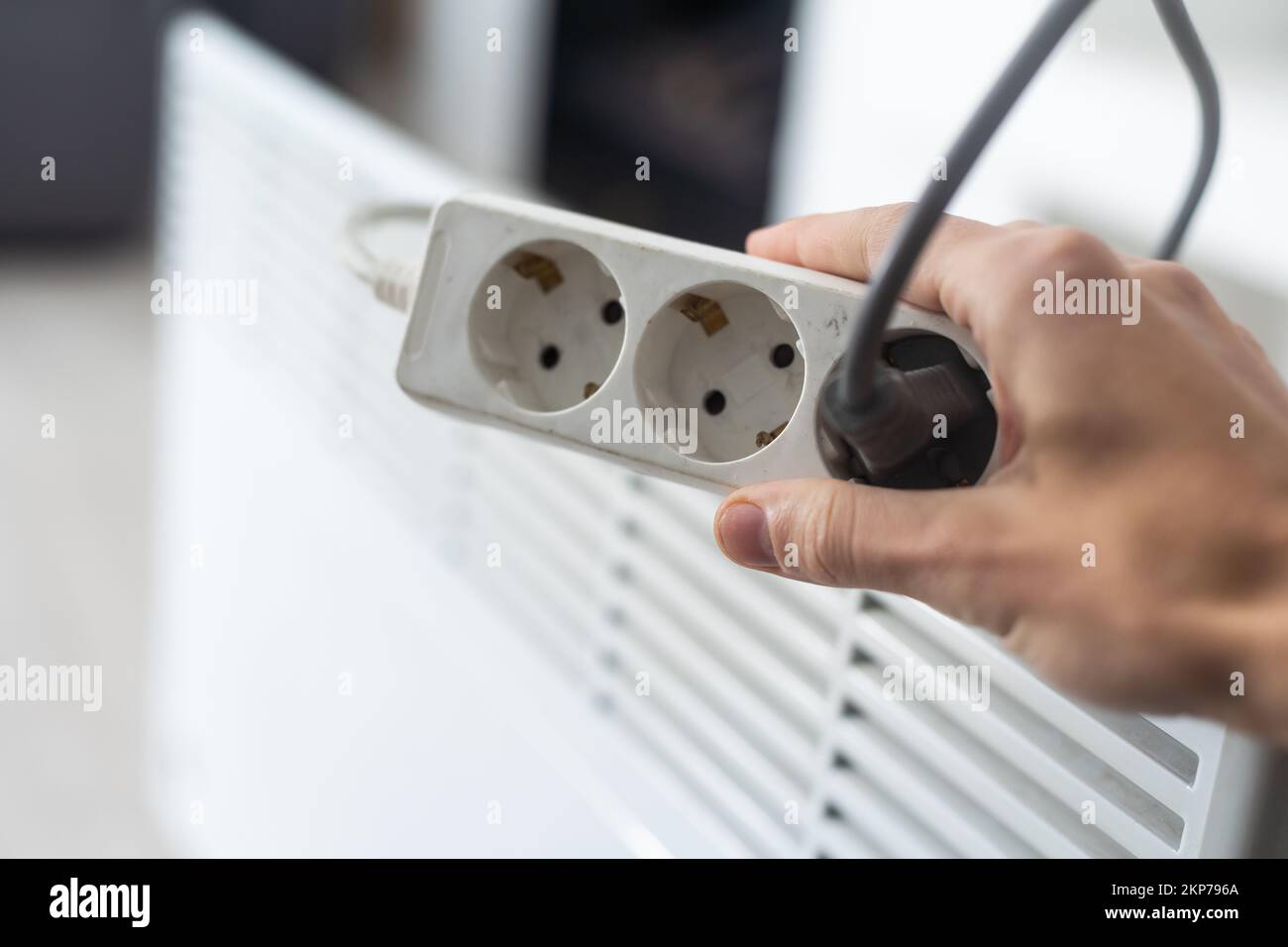
And look if you really want the right information look at Underwriter Laboratories (UL). They are the ones who know.
The Real Question
Maybe the real question isn't "Can I plug a heater into an extension cord?" but "Why is my house so darn cold in the first place?" Maybe we should be focusing on better insulation, or energy-efficient windows, or negotiating with our landlord for a functioning heating system.
But until then… well, I've got my extension cord. And I'm not afraid to use it (responsibly, of course!).
Now, if you'll excuse me, I'm going to go plug in my heater. Wish me luck! And don't forget to stock up on fire extinguishers. Just kidding! (Mostly.)
Disclaimer: Please always prioritize safety and consult with a qualified electrician for any electrical concerns.