
Can A Smoke Detector Go Off For No Reason

Picture this: It’s 3 AM. You’re deep in the land of nod, dreaming of... well, probably something mundane, because who dreams of excitement at 3 AM? Then, out of nowhere, a piercing shriek tears through the silence. Your heart leaps into your throat, adrenaline floods your system, and you bolt upright, disoriented.
“FIRE?!” you gasp, fumbling for a light, eyes darting around the room, trying to sniff out smoke that isn’t there. Your partner is equally startled, probably muttering obscenities. The dog, if you have one, is now performing an opera of terrified yelps. You eventually locate the culprit: the innocent-looking smoke detector, screaming its little head off, usually right above where you just stood, making your ears ring.
After frantically waving a towel and pressing the silence button – maybe even ripping it off the ceiling in a fit of sleep-deprived rage – the deafening quiet finally descends. You're left with one burning question: “Why on earth did that thing go off for no reason?!”
Must Read
It’s a universally frustrating moment, isn't it? That feeling your smoke detector has developed a mischievous streak or digital paranoia. But here's the curious truth: while it might feel like it's alarming for no reason, there's almost always a logical, albeit sometimes tiny, explanation behind that ear-splitting siren. Let's pull back the curtain on these mysterious false alarms.
So, Can It Really Go Off for No Reason?
The short answer, my friend, is not really. A smoke detector is, at its core, a sensor. It’s designed to react to particles in the air. When it goes off, it's because it's detected something it interprets as a threat. The trick is, not everything it interprets as a threat is actually a raging inferno. It’s kind of like that overly enthusiastic friend who screams "LOOK, A BUTTERFLY!" when it's just a leaf. It’s just trying to do its job!

The Usual Suspects Behind Those Spooky Alarms
Let's dive into the most common reasons your trusty smoke detector might be giving you a heart attack without actual flames involved:
Dust and Debris: The Invisible Invaders
This is probably the #1 culprit. Ionization smoke detectors are super sensitive to tiny particles. If dust, dirt, or even a tiny bit of lint gets inside the sensing chamber, it can easily mimic smoke. Ever cleaned your smoke detector? Be honest. A quick vacuum or wipe-down can often prevent these "ghost alarms."
Steam and Humidity: The Unintentional Sauna
Ah, the steamy shower or that pot of boiling pasta. Optical (photoelectric) smoke detectors are particularly prone to false alarms from steam. Water vapor particles scatter light, tricking the sensor into thinking there’s smoke. Your detector just thinks your bathroom routine is a fiery inferno. Consider moving detectors away from bathrooms or steamy kitchens.
Overcooked Food (Even If It’s Not Smoking!)
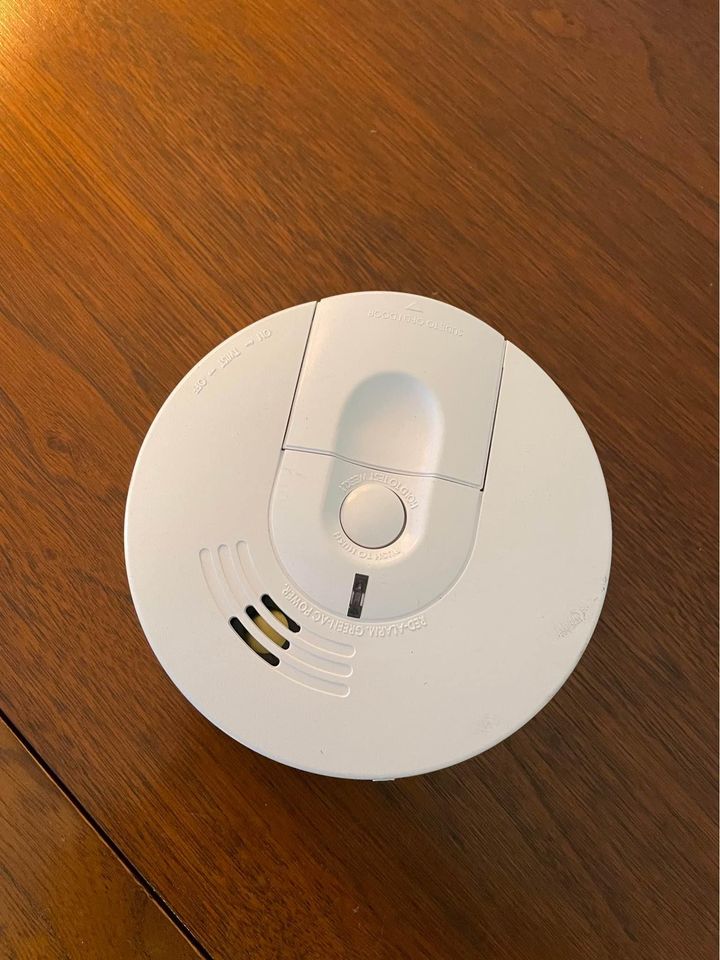
While we associate alarms with visible smoke, sometimes just the high heat and tiny particles released from, say, burning popcorn or heavy searing, can be enough. It’s not necessarily smoke, but your detector is an overachiever. Maybe my 3 AM 'no reason' wasn't so 'no reason' after all, if I'd had a late-night snack!
Pesky Pests: Bugs in the System
Yep, a tiny spider spinning a web or a small insect crawling into the sensing chamber can block the sensor or scatter light, triggering the alarm. Imagine being a tiny spider, minding your own business, then BAM – siren! Talk about an unwelcome awakening.
Low Battery Woes: The Whiny Whistler
While a low battery usually chirps, sometimes a dying battery can cause the alarm to act erratically before it settles into the chirp phase. It might give a full, brief alarm as it struggles for power. Don't ignore that chirp, folks! It's a warning sign.
Aging Out: The Grandparent Detector
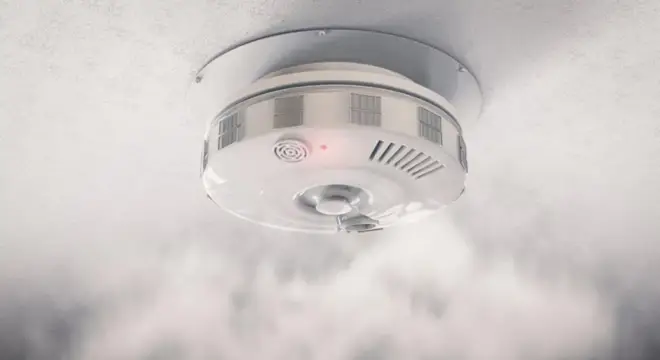
Smoke detectors aren't meant to last forever. Most have a lifespan of about 10 years. Over time, internal components degrade, sensors become less accurate, and they might start malfunctioning. Even smoke detectors get old and cranky. Check the manufacture date on the back – if it's over a decade old, it's time for a replacement.
Improper Placement: Location, Location, Location!
Putting a smoke detector too close to a kitchen, a bathroom door, or an air vent can lead to frequent false alarms. Air currents or proximity to heat/steam sources are just too much for their sensitive circuits. Think about placement!
Chemical Fumes: A Surprise Party
Less common, but strong chemical fumes from cleaning products, paint, or aerosols can sometimes trigger an alarm. These tiny particles can confuse the detector, especially if it's an ionization type.
When The Siren Wails: What To Do
First and foremost, always assume it's a real fire until proven otherwise! Safety first, always. Check your home thoroughly. If no visible fire or smoke, then you can start troubleshooting.
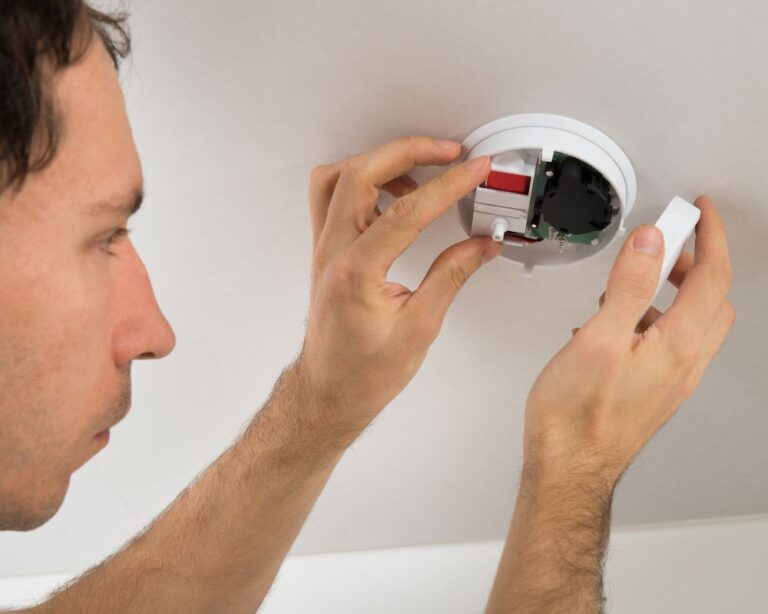
Silence the alarm, clean it, check the batteries, and if it's an old unit, consider replacing it. A functioning smoke detector is literally a lifesaver, even if it occasionally decides your burnt toast is a five-alarm blaze. It's better safe than sorry, and a little investigation can save you from future 3 AM heart attacks.
So, the next time your smoke detector goes off "for no reason," take a deep breath (after you've made sure there's no actual fire, of course!). Chances are, it's not trying to personally annoy you, but rather reacting to one of these common, non-fire-related issues. Understanding why can help you prevent those jarring interruptions and give you back your peaceful sleep.